Address
304 North Cardinal
St. Dorchester Center, MA 02124
Work Hours
Monday to Friday: 7AM - 7PM
Weekend: 10AM - 5PM
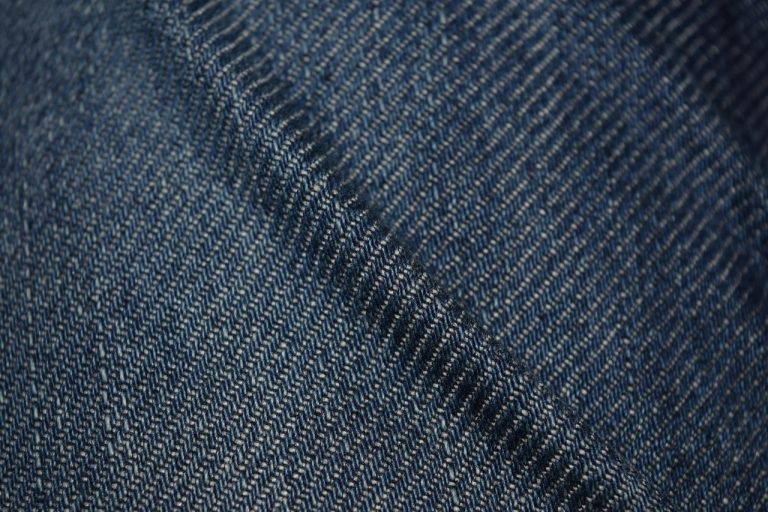
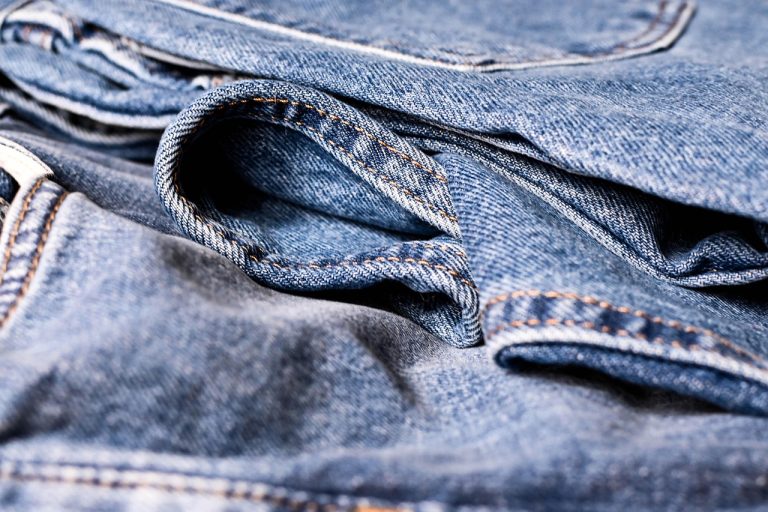
Denim spandex fabric is a woven cotton denim blended with 1% to 3% elastane (spandex) yarns to deliver horizontal or multi-directional stretch while keeping the classic twill face. When people ask “what is denim spandex?”, the accurate answer is: it’s real denim that moves with you, not a knit disguise. And “is spandex in jeans good?” Yes—it improves comfort and fit, but only if you respect its heat sensitivity and finite recovery.
I learned this the hard way when I ordered a bolt labeled “denim look” for a cosplay vest and received a 4-way printed spandex knit. The moment I topstitched it with a universal needle, the fabric puckered into waves that no pressing fixed. That mistake cost me a weekend and a $40 swatch order, but it taught me to read fiber content before trusting a product name.
The confusion is widespread because shops sell “Denim Look – Printed Spandex” next to genuine stretch denim. For a deeper dive on those lookalikes, see our complete guide to custom printed spandex fabric. True denim spandex fabric is loom-constructed with indigo warps and white wefts; the elastane is core-spun into yarn or inserted as a thin weft filament. That structural difference dictates seam behavior, dye uptake, and end-of-life recyclability.
Most people don’t realize that a 2% elastane content in a tight 10 oz weave may yield only 15% stretch, while a 3% content in a loose 8 oz chambray-denim hybrid might hit 30%. The spandex percentage alone tells you almost nothing without knowing fabric weight and weave density. Always request a physical swatch and stretch it on the bias before committing.
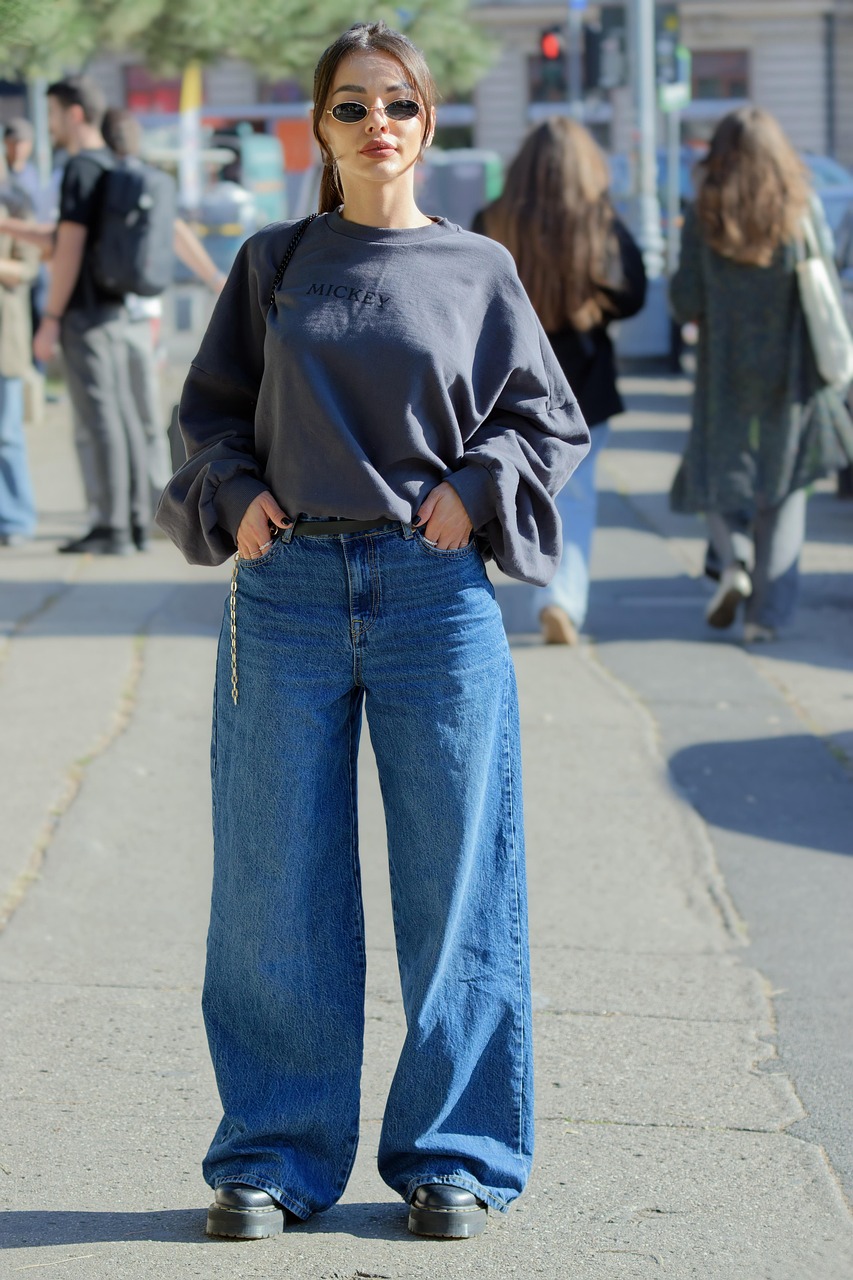
Spandex in jeans is genuinely good for comfort: it reduces pressure points, allows slim cuts without tailored seams, and helps the garment adapt to body fluctuations. However, elastane is a polyurethane fiber that degrades under heat and chlorine, and its “recovery” (snap-back) is finite. In my workshop, 98/2 cotton/spandex jeans washed cold and line-dried held shape through 60 launderings; identical fabric tumble-dried on high lost 40% recovery by wash 25.
The thing nobody tells you about stretch denim is that the cotton shell may look pristine while the elastane inside is already brittle—knee bagging appears long before surface wear. So spandex in jeans trades long-term durability and easy recycling for short-term flexibility. If you need heirloom work pants, a non-stretch bull denim fabric will outlast any blend. Our cotton and spandex blend guide covers the fiber science in more depth.
Another trade-off: higher spandex content (above 4%) often means a lighter, less authentic denim hand. You gain legging-like stretch but lose the structured “break” of traditional jeans. That’s acceptable for fashion knits, not for a tailor who wants a crisp lapel.
Choosing the right denim spandex fabric starts with my “Stretch Triangle” framework: direction (2-way vs 4-way), percentage (low 1–3%, medium 4–8%, high 9%+), and weight (light 6–9 oz, mid 10–12 oz, heavy 13+ oz). Each combination maps to specific projects. A 2-way stretch recovers only across the weft; 4-way adds warp stretch via specialized weave or knit.
Here is the comparison table I use when advising buyers:
When I first made fitted leggings from a 2-way 2% stretch denim, the crotch seam split within a week because the fabric couldn’t extend with my stride. Switching to a 4-way 6% midweight denim spandex solved it. The lesson: match stretch direction to the movement axis of the garment.
Edge case: some mills label “stretch denim” but only the weft has elastane; the warp is 100% cotton. That’s true 2-way. If you sew a bias-cut skirt from it, the bias already provides diagonal give, so you might not need 4-way at all. Understanding these interactions separates a frustrating project from a successful one.
Spec sheets list GSM (grams per square meter), width, and elastane %. But they rarely state recovery rate or stretch force. I always ask the mill for a “stretch and recovery test” strip—pull to 20% extension, hold 30 seconds, release, measure residual growth. Quality 2% LYCRA® blends show <3% growth; generic elastane can show 8%+. That number predicts bagging better than any marketing claim.
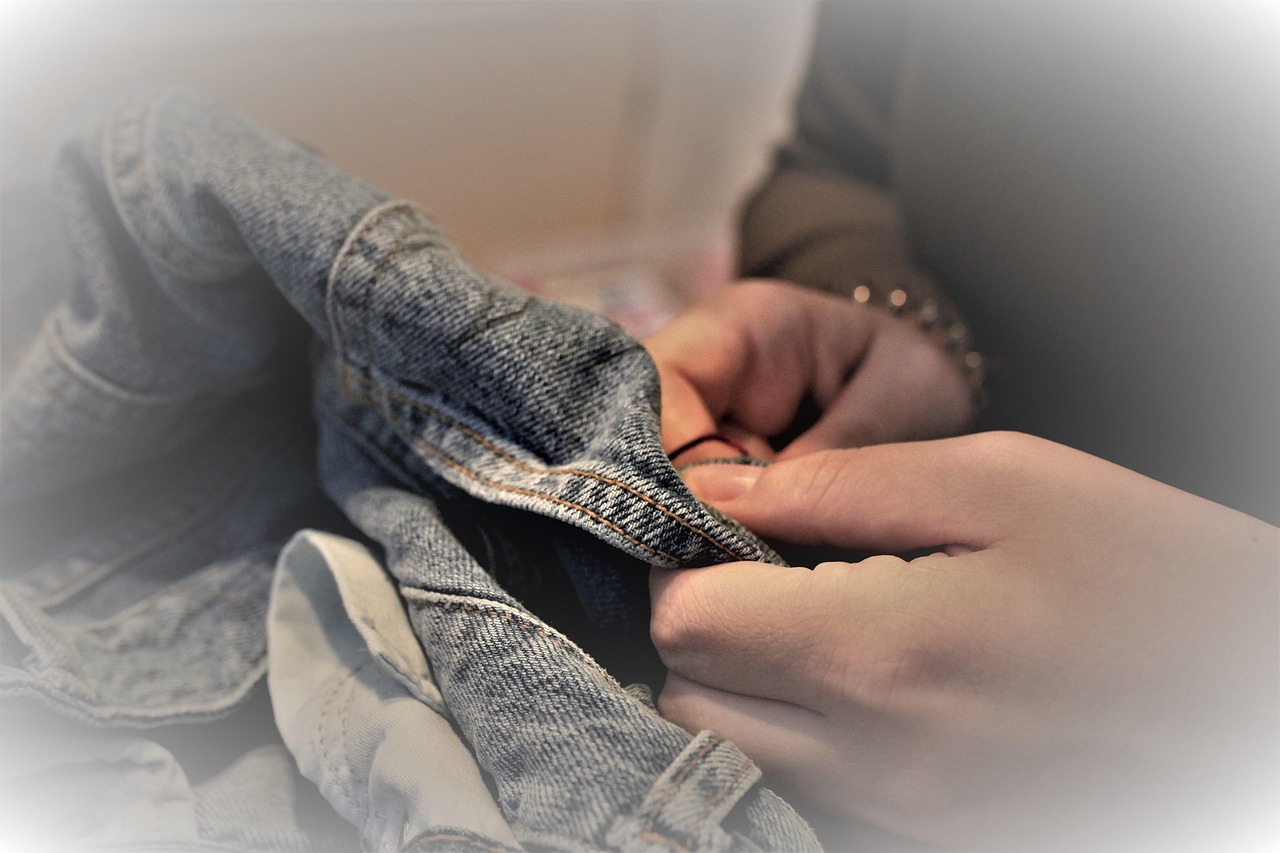
Width matters too: many stretch denims come 58–60″ wide versus 44–46″ for selvedge. If you’re making a jacket, the extra width saves a side seam but can tempt you to skip pre-shrinking. Always wash a test square; I’ve seen 4% width loss on first cold wash due to relaxation of the elastane core.
Myth 1: “More spandex equals better jeans.” Wrong. Above 3%, the fabric often feels like a wet suit and baggs faster because the cotton framework is too weak to anchor the stretch. Myth 2: “Stretch denim doesn’t need interfacing.” In reality, waistbands and collars need a woven fusible or they roll like a yoga mat.
Myth 3: “Printed denim-look spandex sews like denim.” It doesn’t—it’s a knit, so it curls and requires a stretch stitch. I once watched a student force a printed knit through a denim needle at 4.0 tension; the seams cracked on the first wear. Knowing the truth saves fabric and pride.
Sewing this material is not the same as sewing 100% cotton denim. The elastane fights back. Use a size 90/14 denim needle for woven blends up to 12 oz, and a stretch needle (75/11 or 90/14) if you use knit denim-look spandex. Polyester thread is non-negotiable; cotton thread will shred under flex.
A walking foot prevents the top layer from creeping on a slippery spandex-weft fabric. I keep a dedicated foot for stretch denims because the teflon coating wears differently. Tension should be lowered by 0.5–1.0 from your default cotton setting to avoid puckered seams that “crow’s foot” after wearing.
Never hang denim spandex fabric on a single pin—use pattern weights. The elastane relaxes when lifted, causing cut pieces to grow 2–3% by the time you reach the machine. Mark with chalk, not ink, because some spandex blends repel dye and show permanent spots.
Broken needles are common if you hit a thick seam intersection without a hammer tap first. The thing nobody tells you: pressing with a hot iron directly on spandex scorches the elastane at 180°C/356°F, leaving a shiny, dead patch. Use a press cloth and steam from 15 cm away. If a seam puckers, re-sew with a slight zigzag (2.0 mm width) to let the thread give.
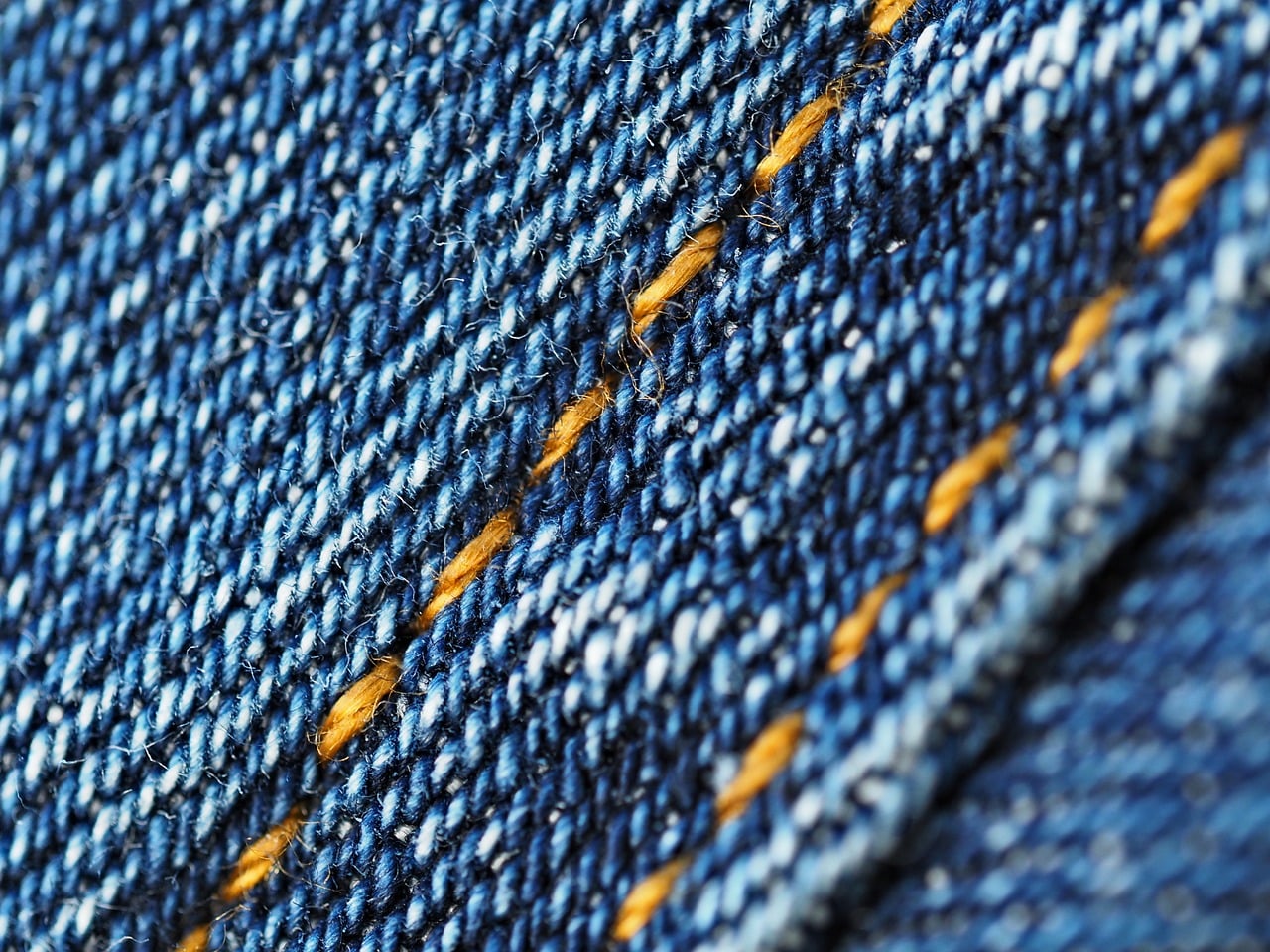
Recovery loss is the silent killer of denim spandex fabric. After 20-plus washes, heat is the enemy. I instruct clients to wash inside-out in cold water (≤30°C) on gentle, then roll in a towel and line-dry. Tumble drying even on low can spike fiber temperature above safe thresholds because tumbling generates friction heat.
One non-obvious hack: a 10-minute steam session in the bathroom (shower running hot) re-hydrates the polyurethane chains, temporarily restoring loft. It’s not permanent, but it buys time between wears. For more on fiber degradation, our article on why spandex fabric creases or yellows explains the oxidation pathways.
Rule of thumb: if the knee bag appears after two wears but disappears after a cold hang, your elastane is alive. If it stays bagged for 24 hours, the spandex is fatigued.
Avoid chlorine bleach; it snaps elastane molecules. Even “color-safe” bleach with hydrogen peroxide can weaken 2% blends over months. For decor items like slipcovers, rotate panels so no single area takes constant stretch.
Most rankings only talk about trousers, but the maker community has pushed denim spandex fabric into costumes, adaptive clothing, and even lightweight backpacks. Its abrasion resistance plus give makes it ideal for medieval cosplay belts that must flex with armor.
For leggings, a 4-way 7% spandex 9 oz version wicks reasonably and hides under tunics. I’ve made toddler play mats from printed “denim look” spandex (the knit kind) because it survives crawling and washing, though it’s not authentic woven denim. Upholstery is trickier: heavy 14 oz stretch denim can re-cover chair seats that get daily sit-pressure, but you must staple with a 20% stretch allowance or the fabric will pull off corners.
One edge case: screen-printing on stretch denim requires plastisol inks with flex agents; water-based inks crack because the substrate moves. That’s a detail commercial decorators miss until a client returns a peeling logo.
Here’s the uncomfortable truth: denim spandex fabric is harder to recycle than pure cotton denim. Mechanical recycling mills separate cotton fibers but cannot melt elastane without contaminating the stream. According to the U.S. EPA’s textiles data, over 11 million tons of textile waste entered landfills in 2018, and blended synthetics like spandex complicate diversion.
Some chemical recycling pilots can dissolve polyurethane, but they are not yet scalable for indigo-dyed mixes. My recommendation: buy quality with 2% spandex and wear it for a decade; the carbon of producing new “eco” fabric often exceeds the impact of keeping stretch denim in service. If you must discard, look for specialized take-back programs, not curbside.
Uncertainty remains about “biodegradable spandex” claims; several startups promise elastane that decomposes in landfill, but independent verification is thin. I treat such labels with skepticism until peer-reviewed data appears.
Before you click “add to cart,” run through this field-tested checklist:
When I consult for small brands, I insist on a wash-test of three cycles before bulk cutting. The cost of a $5 swatch is nothing against a $2,000 fabric order ruined by hidden recovery loss.
Denim spandex fabric is a remarkable engineering of tradition and elasticity, but it demands respect in sewing and care. Use the stretch matrix, avoid heat, and know your lookalike knits. With these practices, you’ll make garments that fit like a second skin yet survive years, not months.