Address
304 North Cardinal
St. Dorchester Center, MA 02124
Work Hours
Monday to Friday: 7AM - 7PM
Weekend: 10AM - 5PM
Address
304 North Cardinal
St. Dorchester Center, MA 02124
Work Hours
Monday to Friday: 7AM - 7PM
Weekend: 10AM - 5PM
When you hear “waffle weave,” you might picture a breakfast food, but in textiles, it refers to a specific fabric construction known for its distinctive textured grid. This isn’t a pattern printed on the surface; it’s a three-dimensional weave built into the fabric’s very structure. Understanding waffle weave is essential for designers, product developers, and anyone sourcing materials for apparel or home textiles, as its unique characteristics offer specific advantages and clear limitations.
This guide breaks down exactly what creates that signature waffle texture, how it affects performance, where it excels (and where it fails), and what to consider when selecting it for a project. We’ll move beyond the name to the practical realities of working with this fabric.
At its core, waffle weave is a variation of the basic plain weave. The magic happens through the use of long warp and weft floats. In a standard plain weave, each yarn goes over one and under one. In a waffle weave, groups of yarns are deliberately floated over several yarns in both directions before being secured. This creates a raised, rectangular or square grid of tiny hills and valleys.
Think of it like a series of small, interconnected boxes. The intersections where the floats cross form the “peaks” of the grid, while the underpinnings create the “valleys.” This 3D structure is what gives waffle fabric its characteristic absorbency, texture, and slight loft. The size of the grid—and thus the texture—depends on the number of yarns floated. A 4/4 waffle (four yarns over, four under) creates a larger, more pronounced grid than a 2/2.
The weave structure dictates the texture, but the fiber content determines the fabric’s ultimate feel and function. Waffle weave is commonly executed in:
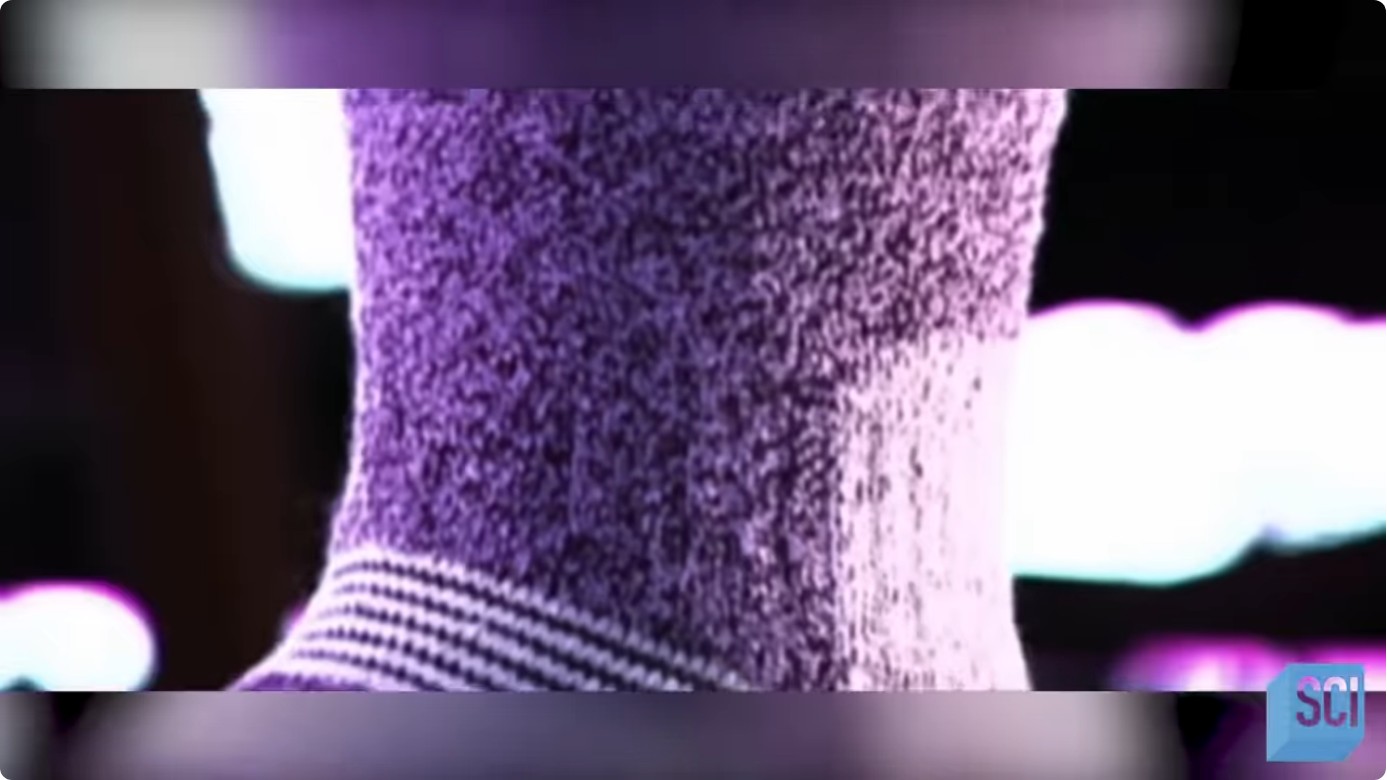
The waffle weave’s grid structure directly translates to a set of performance traits. Here’s what that means for your product:
| Property | What It Means | Best-Fit Applications | Key Trade-off |
|---|---|---|---|
| High Absorbency & Moisture Wicking | The 3D valleys create massive surface area to trap and hold liquid (cotton) or pull it away from the body (synthetics). | Bath towels, beach towels, robes, workout shirts, hiking base layers. | Can hold odor if not cleaned properly (natural fibers). |
| Excellent Air Permeability | The open grid allows for significant air circulation, making it feel cool against the skin. | Summer pajamas, light cover-ups, hot climate workwear, baby clothing. | Provides less inherent insulation than a tight weave or fleece. |
| Texture & Drape | Has a noticeable, lively hand feel. Drape varies: cotton waffle is relatively stiff with body; bamboo is softer and more fluid. | Textured casual shirts, kimono-style robes, decorative throws. | The texture can show through under tight-fitting outer layers. |
| Lightweight with Loft | Feels light but has a springy, slightly cushioned feel due to the 3D structure. | Travel blankets, packing layers, lightweight robes. | Not suitable for heavy-duty abrasion or support. |
You’ll find waffle weave most successfully deployed in these categories:
Choosing waffle weave requires acknowledging its weaknesses. It is not a universal solution.
Durability Concerns: The long floats that create the texture are also its potential failure points. These yarns are more exposed to abrasion and snagging. Waffle weave is generally less durable than a tight plain weave or twill of the same yarn count. It is not suitable for workwear, jeans, or any application involving heavy friction.
Shrinkage: Natural fiber waffles, especially 100% cotton, can shrink considerably. You must specify sanforized or preshrunk fabric or account for 5-10% shrinkage in your pattern. Blends with polyester mitigate this dramatically.
Pilling: The textured surface can be prone to pilling, particularly if made from shorter-staple fibers or lower yarn counts. Look for combed cotton or higher-quality yarns to minimize this.
Lack of Wind Resistance: The open grid offers little barrier against wind. It is not a windproof fabric and should not be used as an outer shell in exposed conditions without a lining.
When evaluating waffle weave fabrics from suppliers, ask these specific questions:
Don’t confuse waffle weave with:
The choice between these comes down to the required hand, stretch, weight, and absorbency level. For a light, breathable shirt with texture, waffle weave is ideal. For a maximum-absorption towel, terry is king.
Waffle weave is a niche but powerful tool. Its success hinges on matching its inherent properties to a clear need. You choose it for its textured aesthetic, high breathability, and excellent moisture management in a lightweight package. You avoid it when you need durability, wind resistance, heavy insulation, or a perfectly smooth face.
When in doubt, request a sample and put it through its paces. Wash it, dry it, stretch it, and see how it feels against the skin in your intended climate. The tactile feedback is often the final decider for this uniquely structured fabric.
Here are answers to common follow-ups: