What Are the Waterproof Finishing Methods for Polyester Fabric, and What Are Their Advantages and Disadvantages?

Polyester knitted fabric is a versatile material commonly used in clothing, home textiles, sports equipment, and more. To enhance its waterproof capabilities, various finishing methods are applied. These include PU coating, TPU film, and PUL glue compounding. Each method has its own unique attributes, offering distinct advantages and drawbacks depending on the application.

PU Coating

Process and Features

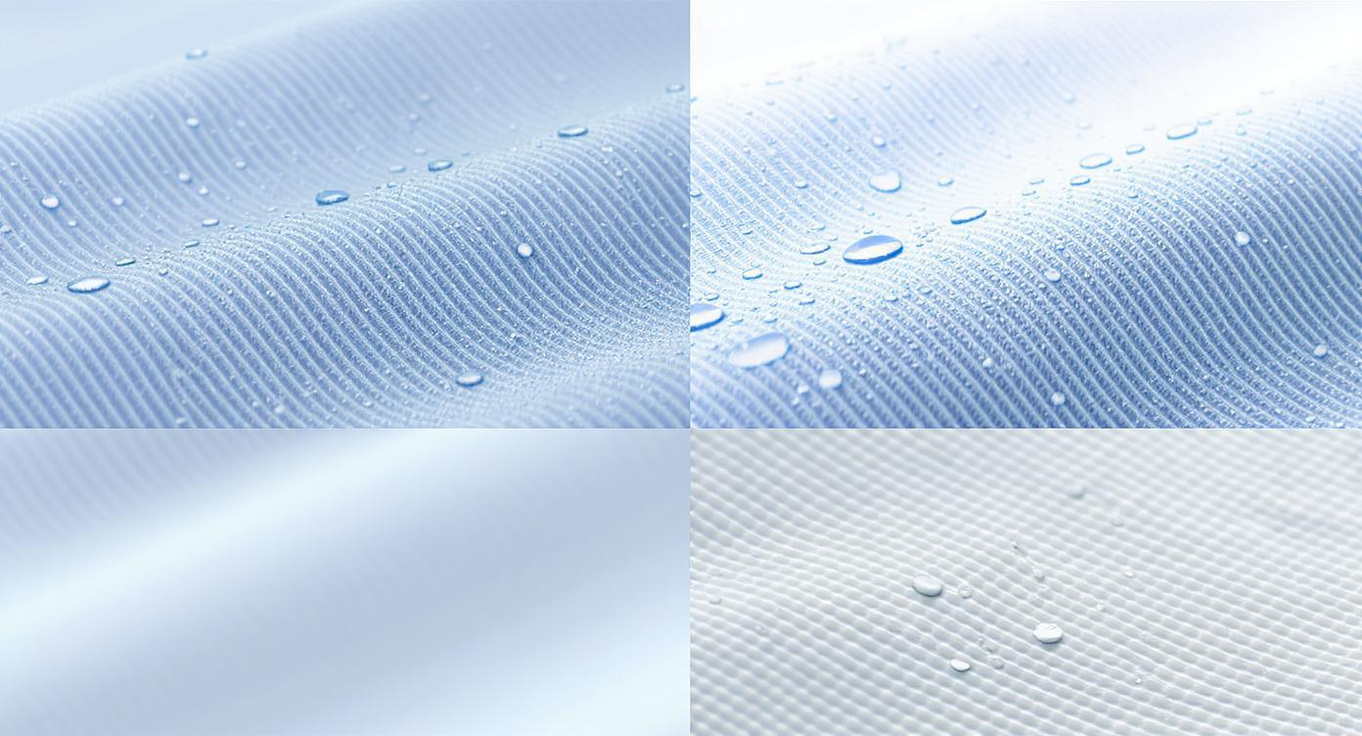
PU (Polyurethane) coating involves applying a polyurethane layer to the surface of polyester fabric, forming a protective barrier. This is the most widely used waterproofing method for polyester fabrics.
Advantages

  • Increased Waterproofing: The PU coating effectively blocks water penetration.
  • Enhanced Durability: It improves the fabric’s tear strength and extends its lifespan.
  • Breathability: Despite its protective properties, the fabric retains good air permeability.

Disadvantages

  • Limited Longevity: PU coatings tend to peel off over time, especially under frequent use or exposure to heat and humidity, reducing their water resistance and dimensional stability.
  • Environmental Concerns: Some PU coatings contain harmful chemicals, making them less eco-friendly.

TPU Film

Process and Features

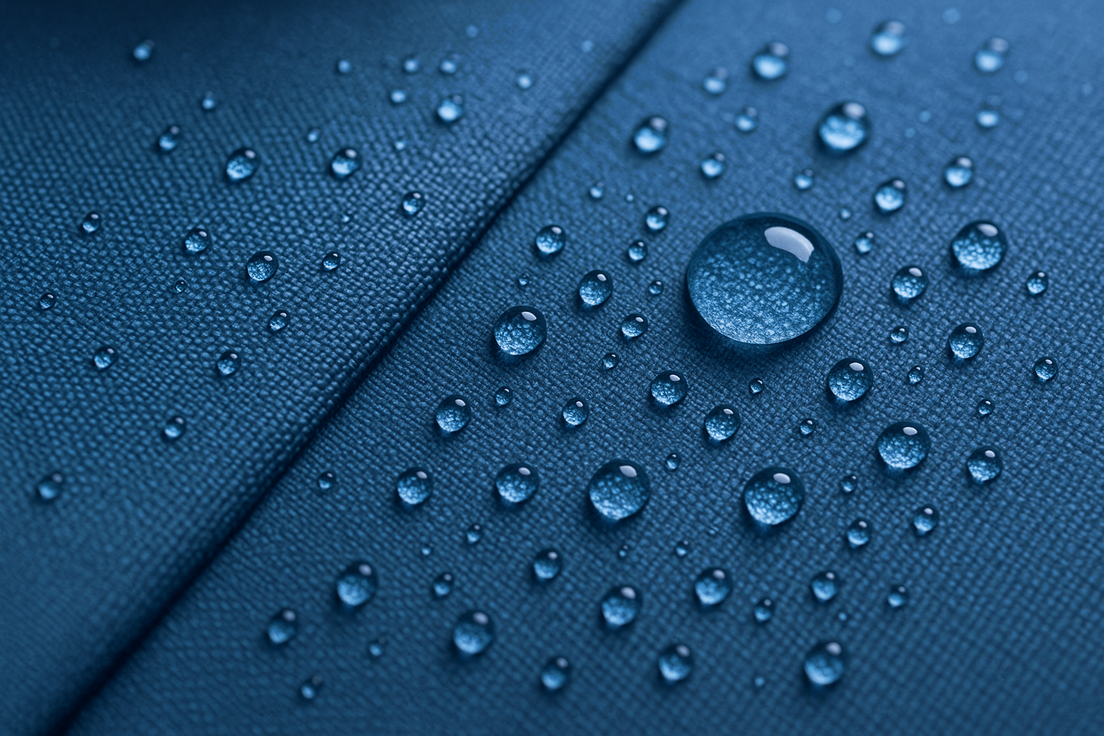
TPU (Thermoplastic Polyurethane) film is applied as a protective layer on the fabric’s surface. This method creates a durable waterproof barrier while maintaining flexibility.
Advantages

  • Heat and Humidity Resistance: Unlike PU coating, TPU films maintain their waterproofing ability even in high-temperature and humid conditions.
  • Crease Prevention: TPU helps prevent wrinkling in knitted fabrics, maintaining a smooth appearance.

Disadvantages

  • Lower Tensile Strength: The film is more prone to damage and wear compared to other methods.
  • Vulnerability to Abrasion: The surface of the TPU film can degrade with frequent use.

PUL Glue Compounding

Process and Features

PUL (Polyurethane Laminate) glue compounding combines TPU film with a paint application. This creates a highly durable and waterproof finish that enhances the fabric’s performance.

Advantages

  • Superior Durability: PUL compounding outperforms PU coatings in terms of longevity and resistance to peeling.
  • Eco-Friendliness: It is considered more environmentally friendly than traditional PU coatings.
  • Improved Waterproofing: The method retains the waterproofing benefits of TPU film while enhancing overall fabric strength.

Disadvantages

  • High Cost: The production process is more expensive than other methods.
  • Complex Manufacturing: Creating PUL-compounded fabrics requires advanced techniques, making it more challenging to produce.
  • Recycling Difficulty: The combination of materials complicates recycling efforts.

Final Thought

Each waterproof finishing method offers unique benefits and limitations. PU coating is widely used for its cost-effectiveness and breathability but lacks durability and environmental friendliness. TPU film performs well in extreme conditions but has lower tensile strength. PUL glue compounding provides superior durability and waterproofing but comes at a higher cost and complexity. At Pura Fabric, we specialize in offering tailored waterproof solutions to meet the specific needs of various industries and applications.

Leave a Reply

Your email address will not be published. Required fields are marked *