Address
304 North Cardinal
St. Dorchester Center, MA 02124
Work Hours
Monday to Friday: 7AM - 7PM
Weekend: 10AM - 5PM
Address
304 North Cardinal
St. Dorchester Center, MA 02124
Work Hours
Monday to Friday: 7AM - 7PM
Weekend: 10AM - 5PM
When you slip into a well-made swimsuit, the difference between a suit that feels supportive, secure, and comfortable versus one that shifts, clings, or becomes transparent when wet often comes down to one critical, hidden component: the liner fabric. This inner layer, sewn or bonded to the outer fashion fabric, is the unsung hero of swimwear performance. It provides modesty, shape retention, and a barrier between your skin and the often-rough, chlorine-rich environment of a pool or saltwater. Understanding swimsuit liner fabric is essential for designers, brand owners, and even informed consumers who want to specify or purchase truly high-performance swimwear.
This guide will deconstruct the world of swimsuit liners. We’ll move beyond the generic term to explore the specific textile materials used, the engineering behind their construction, the performance trade-offs you must consider, and practical advice for sourcing this critical component. Whether you’re developing a new line or simply want to understand what makes a premium swimsuit worth its price, this breakdown provides the technical context you need.
A swimsuit liner, sometimes called a “lining,” “inner layer,” or “modesty panel,” serves several non-negotiable functions. Its primary job is to prevent the outer fabric—especially when it’s a lightweight, sheer, or white material—from becoming see-through when saturated with water. But its responsibilities extend far beyond opacity.
A quality liner must also manage moisture, provide a smooth silhouette, and withstand the same harsh chemical and physical stresses as the outer shell. It interfaces directly with the skin, so comfort and reduced chafing are paramount. In performance swimwear, the liner often incorporates stretch and recovery properties that work in tandem with the outer fabric to create a locked-in, muscular feel that supports movement without restricting it. The failure point for many swimsuits isn’t the outer fashion fabric tearing, but the liner degrading, pilling, or losing its elasticity, leading to a baggy, unflattering fit.
Before diving into materials, it’s helpful to frame the problem. An effective liner must balance these often-competing properties:
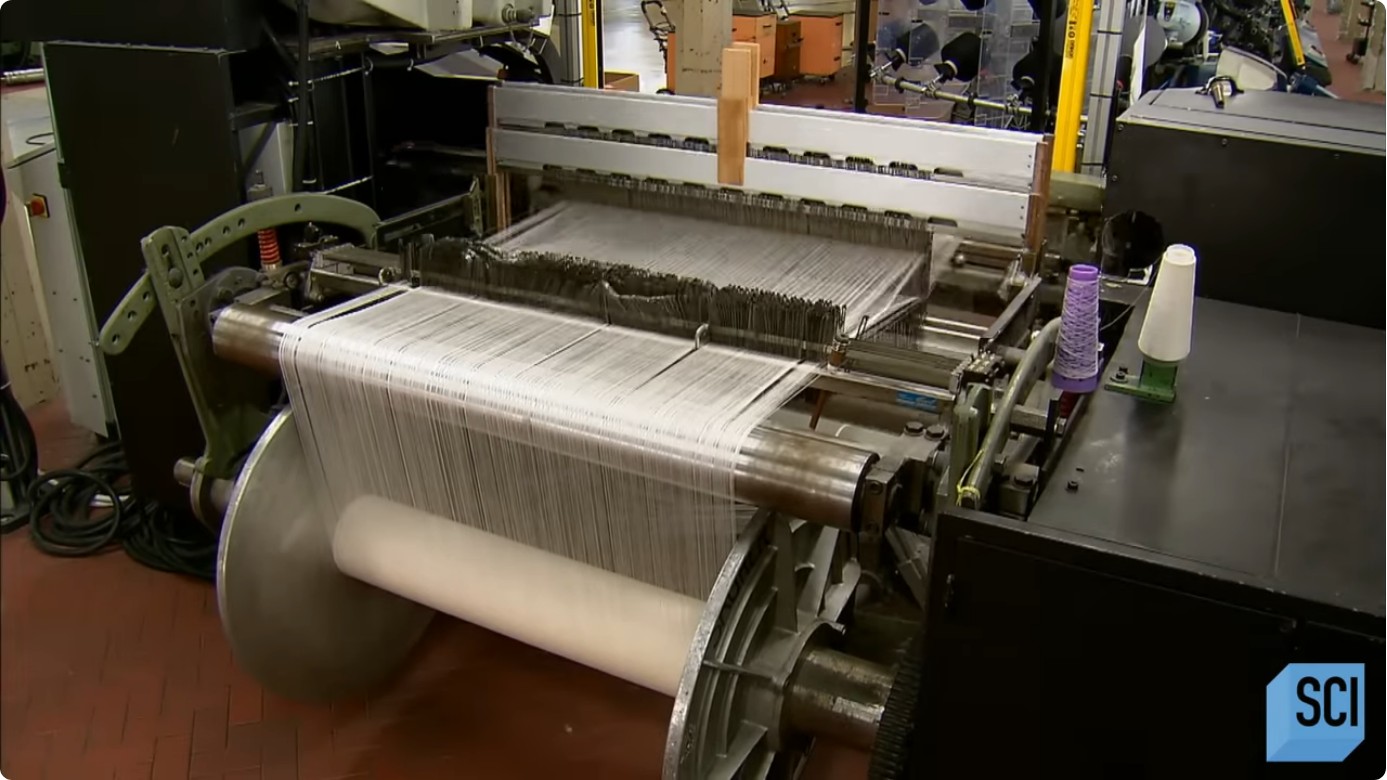
No single fabric excels at all these perfectly; the art is in the blend and construction. The most common failure mode for swimwear is a liner that has lost its recovery, become baggy, or started to pill, which fundamentally ruins the garment’s fit and aesthetic.
The vast majority of swimsuit liners are synthetic knits, engineered for performance. Natural fibers like cotton are almost never used because they absorb water, dry slowly, and break down rapidly in chlorinated environments.
Nylon 6 and Nylon 6,6 are the traditional workhorses of swimwear liners, often in a 80/20 or 70/30 blend with Lycra®/spandex (elastane).
Polyester, particularly recycled polyester (rPET), is a dominant and increasingly popular choice for liners, typically blended with 15-25% elastane.
PBT is a specialized polyester variant that is the gold standard for high-chlorine environments like competitive swimwear, water parks, and resort pools with high chemical loads.
Modern liners are rarely a single fiber. Key innovations include:
The fiber content is only part of the equation. How the liner fabric is constructed dictates its final performance.
Knits are virtually universal for swimwear liners. A circular knit or tricot knit provides inherent 4-way stretch, which is essential to match the outer fabric’s stretch and recovery. Wovens lack this stretch and would restrict movement and distort the suit’s shape.
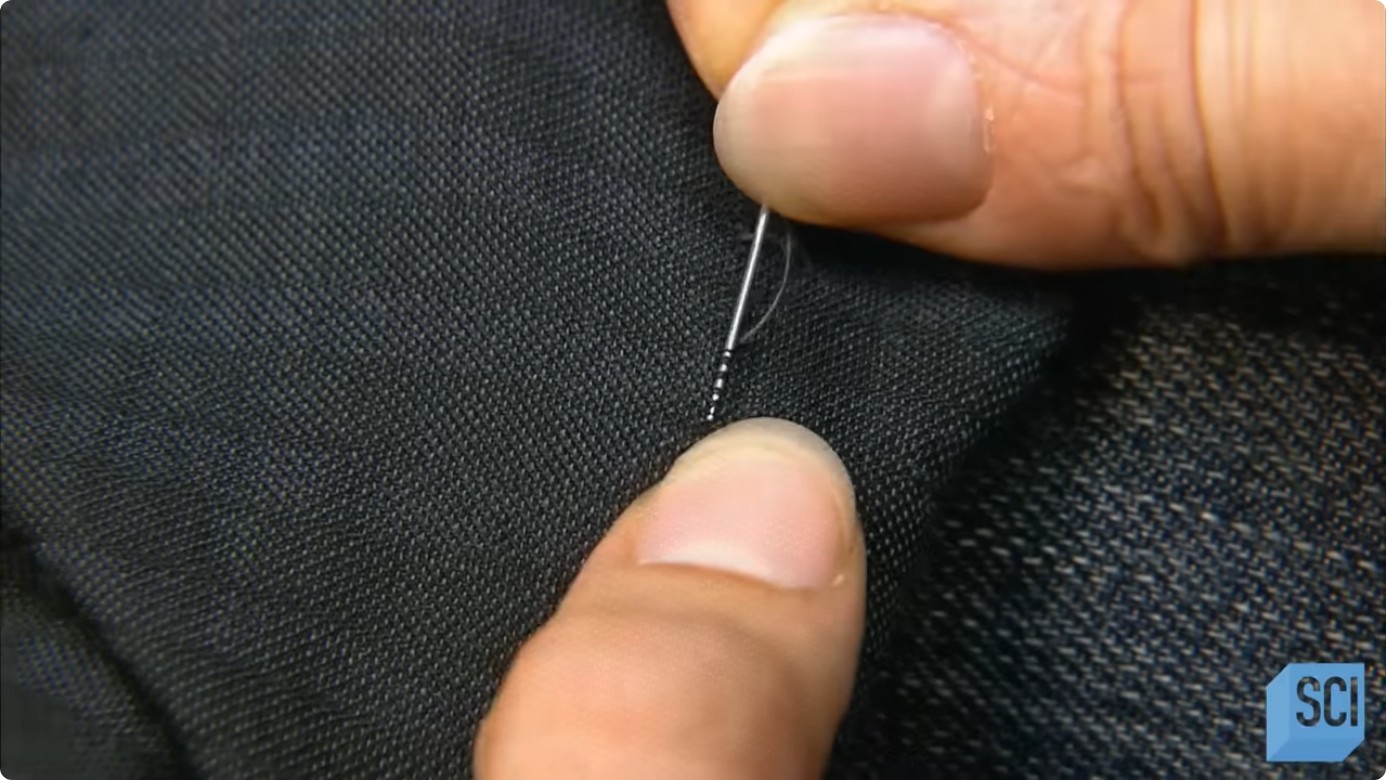
Measured in grams per square meter (GSM), liner weight is a crucial specification. Lighter liners (80-120 GSM) are used in sheer, fashion-forward suits where minimal bulk is key. Heavier liners (140-180 GSM) provide maximum opacity, support, and durability for athletic or plus-size swimwear where modesty and structure are prioritized. A 120-140 GSM brushed-back knit is a common, versatile sweet spot.
A brushed back (or fleece-backed) liner has a soft, napped surface against the skin. This enhances comfort, warmth, and opacity but can add slight bulk and may dry marginally slower than a smooth-back knit. A smooth (flat) back knit is sleeker, dries faster, and is less bulky but can feel less plush. The choice is a design and end-use decision.
Liners can be sewn in as a separate pattern piece or bonded/laminated directly to the outer fabric using a thin, flexible adhesive film.
For brands and manufacturers, specifying the correct liner is a technical procurement task. Vague requests for “swimsuit lining” will yield inconsistent results.
When requesting quotes or samples, provide these clear parameters:
Liners are a specialized textile. You won’t find them at local fabric stores.
Selecting a liner is an exercise in balancing priorities. Here is a quick reference for common scenarios.
| Priority | Recommended Material/Construction | Key Tradeoff |
|---|---|---|
| Maximum Chlorine Resistance (Competition/Water Park) | PBT/Elastane blend, bonded construction | High cost. Less “soft” hand than premium nylon. |
| Best Value for Moderate Use (Resort/Beach) | Polyester/Elastane, 120-140 GSM, brushed back | Slightly less recovery than top-tier nylon; potential for slight warmth. |
| Premium Feel & Recovery (Fashion/Swim) | Nylon 6,6/Elastane (e.g., with ROICA®), smooth back | Lower long-term chlorine resistance than PBT/polyester. |
| Sustainability Focus | rPET/Elastane with bluesign®/GRS certification | Performance is now comparable to virgin polyester; verify certifications. |
| Maximum Opacity for Sheer Outer Fabrics | Heavier GSM (160+), double-knit or multi-layer construction | Adds bulk, may reduce stretchiness and increase drying time. |
Critical Caveat: A liner’s performance is only as good as the finished garment’s construction. Poor sewing techniques, incorrect thread tension, or mismatched stretch between the outer fabric and liner can cause premature failure, regardless of fabric quality. Always prototype and conduct wear-testing in the intended environment (chlorinated pool, saltwater, hot tub) before full production.
Swimsuit liner fabric is not a commodity. It is a precise, engineered textile that determines the functional lifespan and wearer experience of a swimsuit. By moving from vague concepts to specific material compositions (fiber type, elastane type, GSM, knit structure), and by demanding performance data and certifications from suppliers, brands can ensure they are sourcing a component that delivers on its promises. For the consumer, this knowledge translates into a powerful question to ask a retailer or designer: “What is the liner made of, and is it bonded?” The answer will tell you more about the swimsuit’s true durability than any marketing claim about the outer fabric alone.
Q: Can I use regular swim fabric as a liner?
A: Technically yes, but it’s inefficient. Fashion swim fabrics often have prints, textures, or lower opacity that aren’t ideal for a skin-facing layer. Dedicated liner fabrics are optimized for softness, opacity, and cost. They are also typically less expensive per yard than fashion swim fabric.
Q: Is a bonded liner better than a sewn-in one?
A: For modern performance swimwear, bonded is generally superior. It eliminates inner seams, reduces bulk, and creates a smoother, more aerodynamic feel. However, the quality of the bond is critical. A poor bond will delaminate. A well-executed sewn-in liner in a high-quality fabric can still be excellent and is often used in more traditional or structured swimwear.
Q: How do I test a liner for opacity?
A: The only true test is wet. Take a sample of the intended outer fabric with its liner, wet it thoroughly, and hold it up to a bright light. Test it over a dark and a light background. Do this with the stretch in both directions, as the opacity can change when the knit is stretched.
Q: What’s the single most important factor for liner durability?
A: Chlorine resistance of the base polymer. A PBT or specially engineered chlorine-resistant polyester elastane blend will outlast a standard nylon elastane blend by a significant margin in a chlorinated pool. If the swimsuit will primarily be used in fresh water or the ocean, this is less critical.