Address
304 North Cardinal
St. Dorchester Center, MA 02124
Work Hours
Monday to Friday: 7AM - 7PM
Weekend: 10AM - 5PM
Address
304 North Cardinal
St. Dorchester Center, MA 02124
Work Hours
Monday to Friday: 7AM - 7PM
Weekend: 10AM - 5PM
There’s a distinct tactile pleasure in running your fingers over a well-made cotton slub jersey. It’s not the uniform, smooth surface of a standard jersey tee, but a gently nubbly, irregular landscape that feels both rustic and refined. This texture isn’t an accident; it’s a deliberate design choice that influences everything from a garment’s visual character to its performance on the body. For designers, merchandisers, and informed consumers, understanding cotton slub jersey is key to leveraging its unique aesthetic and functional properties. This guide cuts through the jargon to explain what slub jersey truly is, where it shines, its inherent trade-offs, and what to consider when sourcing it.
In brief: Cotton slub jersey is a knitted fabric made from cotton yarn that contains deliberate, alternating thick and thin sections (slubs). This creates a textured surface with visual interest and a soft, slightly bumpy hand feel. It retains the inherent breathability and comfort of jersey knit cotton but with a more organic, artisanal appearance.
To grasp slub jersey, you must separate two concepts: the jersey knit structure and the slub yarn used to create it. Jersey is the most common single-knit fabric, known for its smooth face and slightly looper backside, used in everything from basic t-shirts to fine underwear. It’s produced on a single set of needles, giving it a natural stretch and drape.
Jersey knit is a weft-knit structure where all stitches on one side are formed by a single yarn. This construction makes it relatively stable, with good recovery and a tendency to curl on the edges. Its simplicity is its strength, providing a comfortable, flexible base layer or standalone garment. When we talk about jersey, we’re primarily discussing this knitting method, not the fiber content. You can have jersey made from polyester, modal, or blends, but here our focus is on cotton jersey.
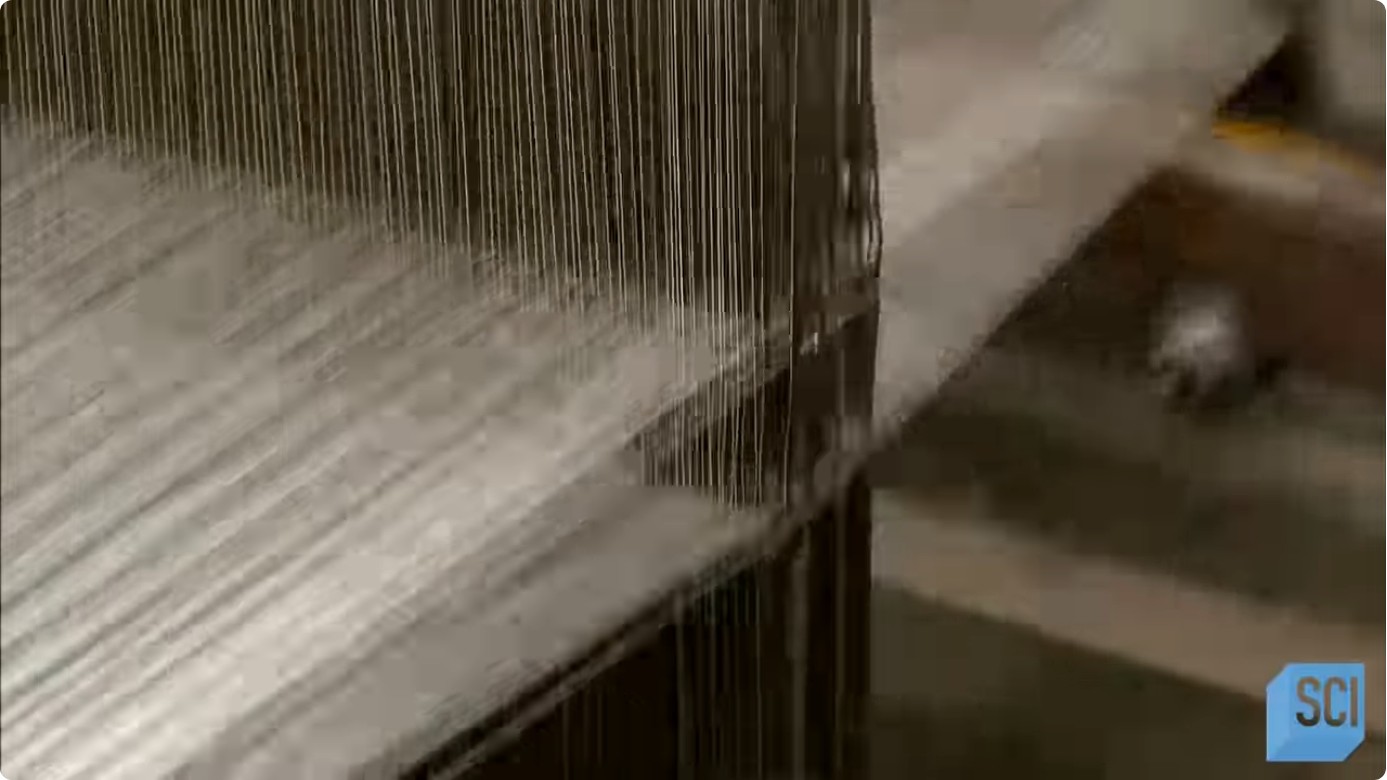
A slub is a thickened, uneven section in a yarn. Historically, slubs were considered a defect in spinning, caused by inconsistencies in the fiber or machine. Today, slubs are intentionally engineered during the spinning process. This is achieved by varying the tension or feed rate of the cotton fibers, or by deliberately introducing clumps of fiber into the stream. The result is a yarn with a rhythm of thick, soft spots (the slubs) and thin, tight sections. When this slub yarn is knitted into jersey fabric, those thick and thin sections translate directly into the fabric’s surface, creating its signature irregular texture and visual depth. The effect can range from subtle (a barely-there pebbling) to pronounced (distinct, rope-like stripes), depending on the slub’s size, frequency, and the yarn count.

The slub effect is more than skin-deep. It fundamentally alters the fabric’s character, offering benefits but also introducing specific considerations.
| Feature | Regular Cotton Jersey | Cotton Slub Jersey |
|---|---|---|
| Surface | Smooth, uniform | Textured, irregular with slubs |
| Hand Feel | Soft, smooth | Soft but with a distinct nubby texture |
| Drape | Fluid, soft drape | Slightly stiffer, more structured drape |
| Visual Depth | Flat, solid color appearance | Heathered, dimensional look due to light reflection |
| Durability / Pilling | Generally higher, more uniform strength | Potentially lower; thin spots weaker; slubs can be pilling points |
| Perceived Value | Basic, versatile | Artisanal, premium, textured |
The unique aesthetic of slub jersey makes it a favorite for brands looking to add texture and perceived quality without the cost of complex weaves or embellishments. You’ll encounter it most frequently in:
A key distinction: Designer and contemporary brands often use slub jersey to signal craftsmanship and a “slow fashion” ethos, pairing it with clean silhouettes. Mass-market retailers may use it as a value-add on basic items, but the quality of the slub effect and underlying cotton can vary dramatically. Always feel the fabric; a good slub should feel soft, not scratchy, and the texture should be evenly distributed, not concentrated in harsh clumps.
If you’re purchasing slub jersey wholesale for production or a large project, navigating suppliers requires a keen eye. The term “slub” is not strictly regulated, so quality can span a wide spectrum.
More advice: The Practical Guide to Cotton Blend Fabrics
Reputable suppliers, especially those specializing in textured knits, will have these details on hand. For smaller quantities, domestic fabric distributors or online platforms that specialize in sustainable textiles (like Re:form or Fabrics.net) can be good starting points.
The very texture that defines slub jersey also dictates its care. The slubs are points of potential weakness and snagging.
The goal is to minimize abrasion against other fabrics and excessive heat, which accelerates pilling and fiber degradation. A quality slub jersey, with proper care, will maintain its beautiful texture for years, though some minor surface fuzzing is normal.
Choosing slub jersey over a standard jersey is a decision rooted in desired aesthetic and acceptable performance trade-offs. Ask yourself:
When sourced and cared for correctly, cotton slub jersey is a versatile and beautiful fabric that elevates simple silhouettes. It bridges the gap between everyday comfort and subtle sophistication, making it a perennial favorite in thoughtful apparel design. Its charm lies in its honest texture—a direct echo of the cotton fiber and the craft of spinning, brought to life in a comfortable, wearable knit.




