Address
304 North Cardinal
St. Dorchester Center, MA 02124
Work Hours
Monday to Friday: 7AM - 7PM
Weekend: 10AM - 5PM
Address
304 North Cardinal
St. Dorchester Center, MA 02124
Work Hours
Monday to Friday: 7AM - 7PM
Weekend: 10AM - 5PM
If you’ve ever wrapped yourself in a plush, absorbent towel after a shower or slipped into a cozy robe, you’ve experienced terry cloth. But “100% cotton terry cloth” is more than just a soft feel—it’s a specific textile construction with distinct performance characteristics that set it apart from other pile fabrics. Misunderstanding these details can lead to poor product choices, whether you’re a consumer buying for your home or a business sourcing for apparel or linens.
This guide cuts through the ambiguity. We’ll explore what makes true terry cloth unique, why the “100% cotton” specification is critical for quality, and how to evaluate it for your specific needs—from luxury bathrobes to durable cleaning cloths. You’ll learn to decipher industry terms, understand the trade-offs, and make informed sourcing decisions.
Before diving into details, anchor your understanding with these non-negotiable points. Terry cloth is defined by its structure, not just its feel. The hallmark is the looped pile formed on one or both sides of the weave. This looped construction is what grants terry its legendary absorbency. When the loops are cut, the fabric becomes velour, which is softer but less absorbent. The “100% cotton” declaration guarantees that these absorbent loops are made entirely from natural cellulose fibers, which is vital for moisture management, dyeability, and long-term durability through repeated washing.
More advice: Polyester and Elastane Material: The Definitive Guide to the World’s Most Popular Performance Blend
Key factors to prioritize:
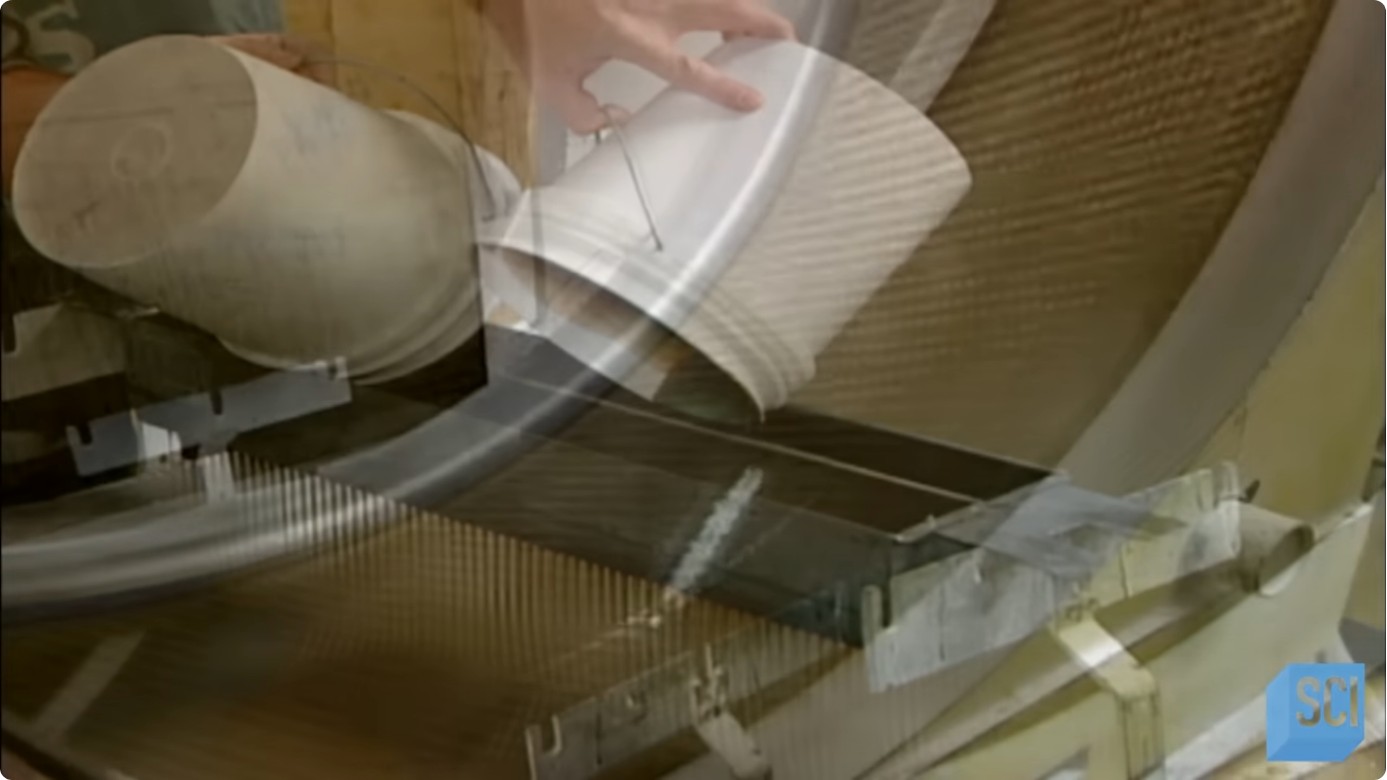
Terry cloth is a weft-pile fabric. During weaving, an extra yarn (the pile yarn) is inserted and held in place by the ground warp yarns. After weaving, these extra yarns form the characteristic loops. The length of these loops—and whether they are left intact or sheared—creates different terry subtypes:
For maximum absorbency in towels, bathrobes, and cleaning products, you want woven terry cloth with long, intact loops. The weave itself is typically a plain weave for the ground fabric. The pile yarns are often a heavier count to create the lush loops. The entire process—from cotton selection, spinning, weaving, to finishing (bleaching, dyeing, softening)—impacts the final hand and performance.
You cannot judge terry cloth by touch alone. A lightweight, thin-feeling terry and a heavyweight, dense terry can feel similar if one is very soft. GSM removes the guesswork. Here is a practical breakdown of GSM ranges and their typical applications:
| GSM Range | Character & Feel | Common Applications | Considerations |
|---|---|---|---|
| 200 – 300 GSM | Lightweight, thin, quick-drying | Travel towels, gym towels, baby washcloths, lightweight robes | Less absorbent per square inch; requires more fabric for the same water uptake. Better for rapid drying needs. |
| 300 – 450 GSM | Medium-weight, balanced | Standard bath towels, kitchen towels, basic beach towels | Good all-purpose range. The “sweet spot” for many consumers and hotels. Absorbency and drying time are fairly balanced. |
| 450 – 600+ GSM | Heavyweight, plush, dense | Luxury bath towels, spa robes, premium beach towels | Exceptional absorbency and a luxurious, substantial feel. Takes longer to dry fully, heavier when wet. Often uses long-staple cotton. |
Trade-off Alert: There is a direct relationship between GSM, absorbency, and drying time. A 600 GSM towel will hold vastly more water than a 300 GSM towel, but it will also take significantly longer to dry. For high-turnover environments like gyms or hotels, a medium GSM (350-400) is often preferred to prevent mildew and ensure quick readiness.
The versatility of 100% cotton terry comes from its innate properties: high absorbency, good dye uptake, breathability, and durability. Here’s how its use is dictated by GSM and loop structure:
Whether you’re buying a single towel or placing a wholesale order, these steps will help you assess quality and avoid common pitfalls.
Despite its strengths, 100% cotton terry has inherent limitations that must inform your choice.
Is terry cloth the same as French terry?
No. French terry is a specific type of weft-knit fabric (like a sweatshirt material) with loops on one side. Woven terry cloth (the subject of this guide) is a woven fabric with loops, typically much more absorbent and used for towels and robes.
What’s the difference between terry and velour?
Terry has intact loops. Velour is terry that has been sheared (the loops are cut) to create a soft, plush nap on both sides. Velour feels softer but is less absorbent.
Can I use 100% cotton terry for outdoor gear?
With caution. Its absorbency is a liability when wet in cold conditions (cotton loses insulating value when wet). It’s excellent for camp towels but not recommended as a primary layer for insulation in damp climates.
How do I care for my high-quality cotton terry to make it last?
Wash in warm water with a mild detergent. Avoid bleach and fabric softener. Tumble dry on medium heat until completely dry. For extra fluff, use clean tennis balls or wool dryer balls. This preserves the loop integrity and absorbency.
Understanding 100% cotton terry cloth moves you from a passive consumer to an informed specifier. By focusing on GSM, loop structure, and cotton quality, and by using the sourcing checklist provided, you can consistently select the right terry for the job—whether that’s a hotel chain needing durable, medium-weight bath towels or a designer seeking a lightweight, breathable fabric for a summer apparel line. The key is to match the fabric’s inherent properties to the functional demands of the end use.
Related guide: Finding the Best Fabric for Workout Clothes: A Practical Guide