Address
304 North Cardinal
St. Dorchester Center, MA 02124
Work Hours
Monday to Friday: 7AM - 7PM
Weekend: 10AM - 5PM
Address
304 North Cardinal
St. Dorchester Center, MA 02124
Work Hours
Monday to Friday: 7AM - 7PM
Weekend: 10AM - 5PM
If you’ve ever been drawn to the comfortable drape of a t-shirt, the cozy embrace of a sweater, or the flexible ease of athletic wear, you’ve experienced the magic of knit fabrics. But for many sewists, that magic is accompanied by a fair amount of mystery—and sometimes, frustration. How do you choose the right one? Why does it stretch? How do you make it behave? This guide cuts through the confusion, providing a practical, in-depth look at knit fabrics specifically for the home sewist and small-batch maker. We’ll move beyond “just jersey” to understand construction, properties, and selection, so you can confidently tackle any project, from a basic tee to a performance-driven racerback.
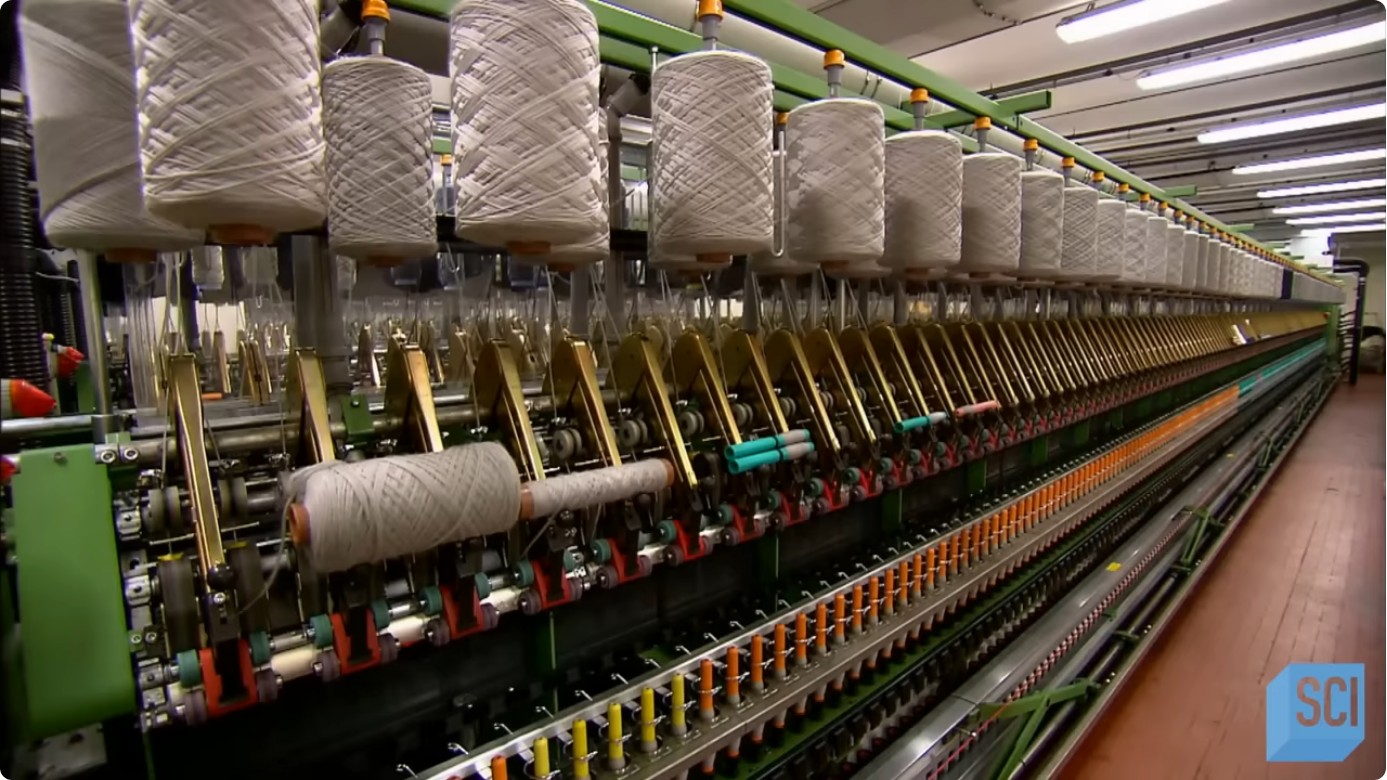
Unlike woven fabrics, where threads interlace at right angles in a rigid over-under pattern, knit fabrics are made by interlocking loops of yarn. This looped structure is what gives knits their inherent stretch, elasticity, and softness. For sewing, this fundamental difference changes everything—from how you lay out your pattern to which needle you use and how you finish seams. Understanding this core principle is your first step toward mastering knits.
Before diving into specific fabrics, it’s helpful to grasp the two primary knitting methods that create vastly different fabrics. The direction of the loop determines the fabric’s behavior and its common name.
This is the most common knit construction, where stitches are formed horizontally across the machine. The loops are interconnected in rows, creating a fabric with a distinct face (the smooth side, often with vertical ribs called “wales”) and a back (a purl side with a bumpier texture). Jersey knit has a strong tendency to curl at the edges due to the tension difference between the face and back loops. Single jersey is lightweight and can be prone to distortion; interlock (two layers of jersey knitted together) is more stable and doesn’t curl.
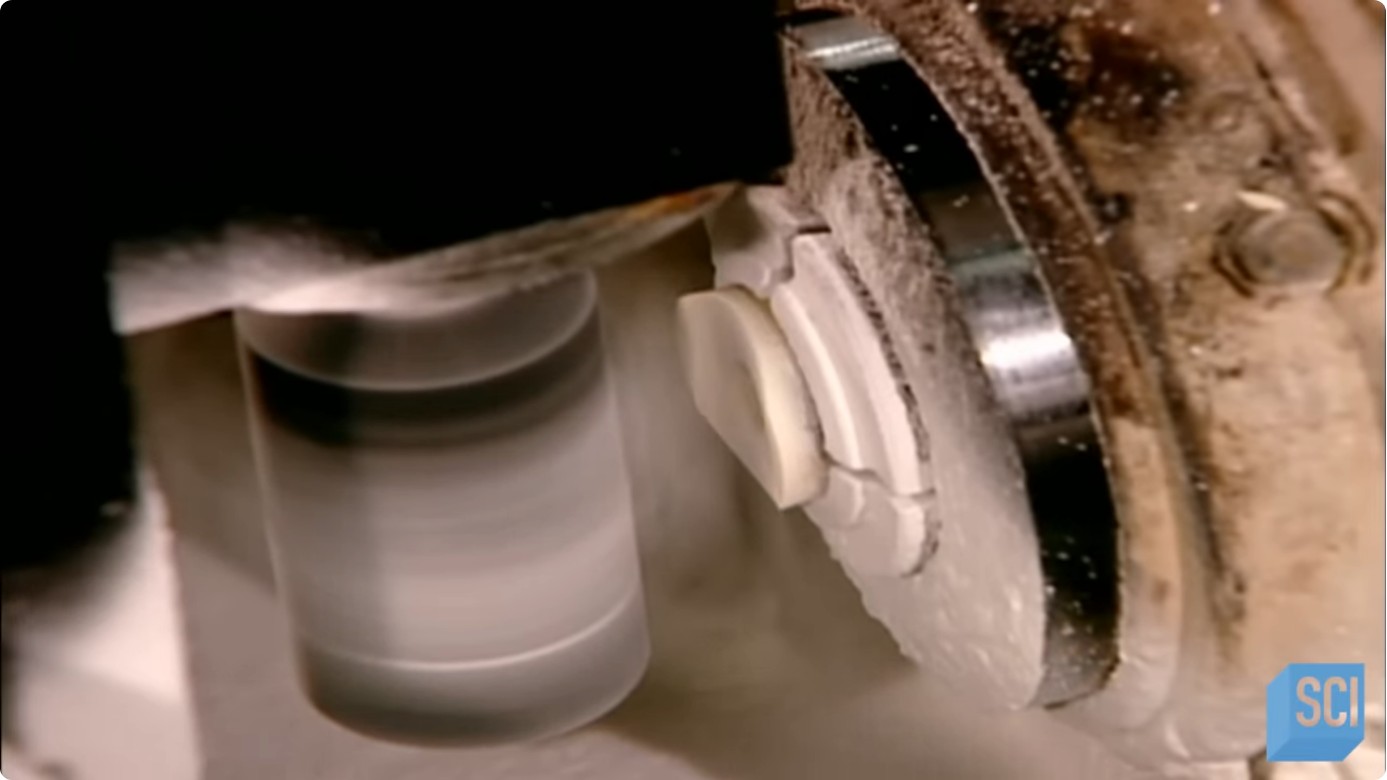
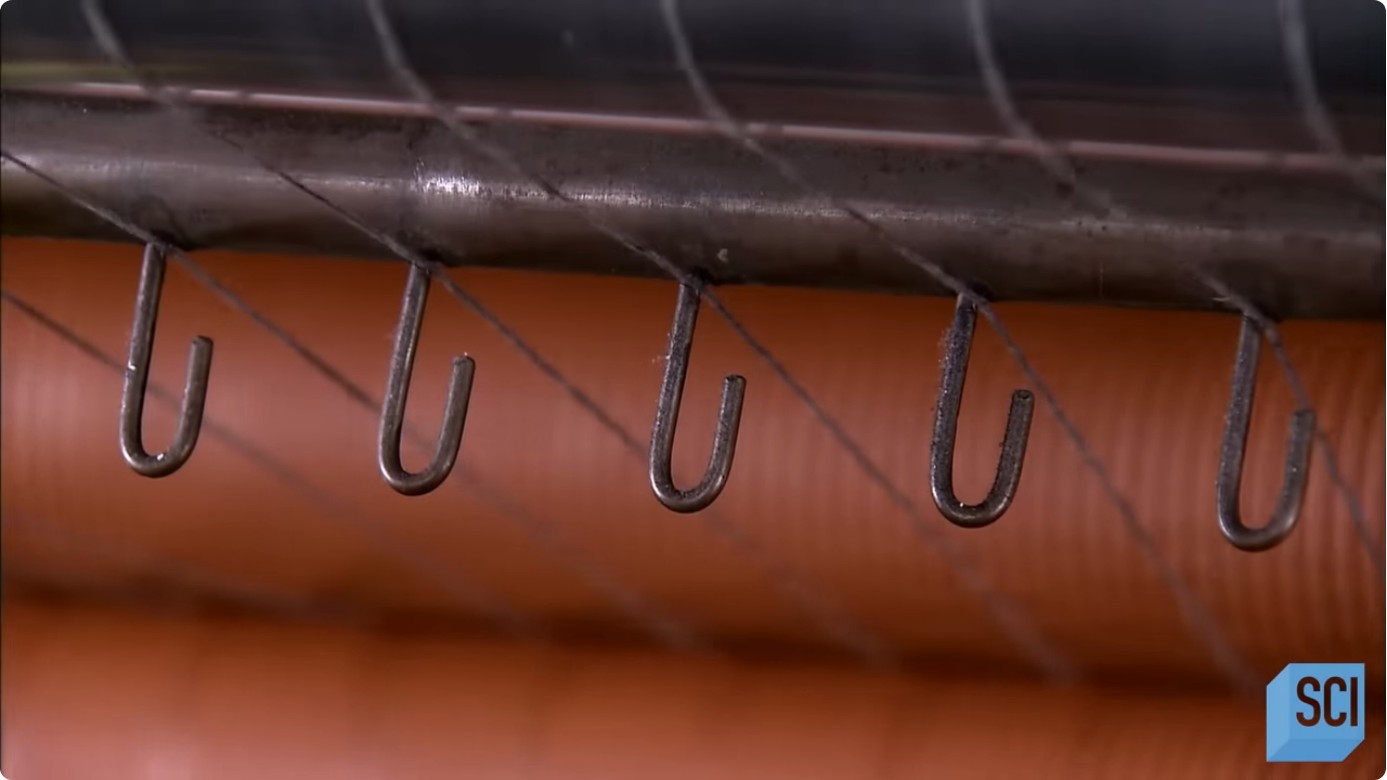
In warp knitting, yarns run lengthwise, forming vertical loops that are locked in place by crossing yarns. This creates a fabric that is less stretchy in the width (but often stretchy lengthwise), more stable, and less prone to runs (laddering) if a thread breaks. Tricot (common in lingerie and linings) and Raschel (used for lace and novelty textures) are warp knits. They are generally more stable for sewing but have a different hand.
Now, let’s meet the fabrics you’ll encounter at the store or online. Each has a signature structure that dictates its best use.
The quintessential t-shirt fabric. It’s soft, lightweight, and has good horizontal stretch with moderate recovery. It curls at the edges. Best for: T-shirts, casual dresses, baby clothes, and loungewear. Watch out for: It can be tricky to handle because it’s so fluid; use plenty of pins or basting, and a stretch stitch or serger.
Essentially two layers of jersey knitted together, with the wales interlocking. It’s smoother on both sides, more stable, and doesn’t curl. It has moderate stretch in both directions. Best for: Higher-quality t-shirts, polos, dresses, and children’s wear where you want a bit more stability than jersey offers.
Identified by vertical ribs on both sides, created by alternating knit and purl stitches. It has excellent stretch and recovery across the ribs (widthwise). 1×1 rib (one knit stitch, one purl) is common for cuffs and necks; 2×2 rib (two knit, two purl) is wider and used for bands. Best for: Necklines, cuffs, waistbands, and form-fitting garments like yoga tops. It’s also used for the whole garment in items like ribbed tanks.
A thick, stable double knit with a subtle diagonal texture. It has minimal stretch (usually 10-15% widthwise) and excellent recovery. It doesn’t curl, ravel easily, or stretch out of shape. Best for: Tailored pieces like blazers, dresses, skirts, and structured tops where you want the drape of a knit but the sewing ease of a woven. A fantastic “first stable knit.”
Features a smooth jersey face and a soft, looped terry knit back. It’s mid-weight, breathable, and has a comfortable, casual drape with moderate stretch. Best for: Hoodies, lounge sets, casual dresses, and overshirts. The looped back makes it cozy but can be bulky in seams.
A brushed, napped knit, usually polyester, with a soft, insulating pile. It has minimal stretch and is very stable. Best for: jackets, robes, and cold-weather gear. Key note: It frays badly and can stretch under the machine foot; use a walking foot and finish seams with a serger or zigzag.
This category includes nylon/spandex or polyester/spandex blends like sportswear knit (smooth, high-stretch), scuba (thick, neoprene-like), and moisture-wicking polo pique. They are engineered for specific properties. Best for: activewear, swimwear (with proper lining), and uniforms. Always check the fabric’s technical specifications for UV protection, chlorine resistance, or moisture management.
| Fabric Type | Typical Stretch (Width) | Recovery | Stability | Primary Use |
|---|---|---|---|---|
| Jersey (Cotton) | Good (20-30%) | Fair | Low (curls, distorts) | Tees, casual wear |
| Interlock | Moderate (15-25%) | Good | Medium (no curl) | Polos, higher-end basics |
| Rib (1×1) | Excellent (40-50%+) | Excellent | Medium (can flatten) | Cuffs, neckbands, form-fitting tops |
| Ponte di Roma | Low-Moderate (10-20%) | Very Good | High (woven-like) | Blazers, shift dresses, structured pieces |
| French Terry | Moderate (15-25%) | Good | Medium | Hoodies, lounge wear |
| Performance (Nylon/Spandex) | Excellent (30-50%+) | Excellent | High (but slippery) | Athletic wear, swimwear |
When shopping, the label is your best friend. Two critical pieces of information are fiber content and weight (gsm).
Before you buy, run through this list to ensure the fabric matches your project’s demands:
Choosing the right fabric is half the battle. Using the correct sewing techniques is the other half.
For specialized projects, you may seek out technical fabrics. These are often sold by the yard from specialty online retailers or through industry-focused suppliers. Look for fabrics with certifications like OEKO-TEX Standard 100 (ensuring no harmful substances) or bluesign (sustainable chemical management). When ordering samples, request a small swatch to test stretch, hand, and drape—performance specs on a website can’t replace physical feel.
Wholesale sourcing is another path for small businesses or prolific makers. Platforms like Fashiondex or textile market directories can connect you with mills and converters. Minimum order quantities (MOQs) vary widely, from 10 yards to 100+. Always order a lab dip (a dyed sample) before committing to a large run to ensure color accuracy.
Working with knit fabrics transforms sewing from a precise craft into a dynamic dialogue with the material. It teaches you to read the fabric’s behavior, to respect its stretch, and to adapt your techniques. The most common pitfalls—skipped stitches, distorted seams, and garments that bag out—almost always trace back to a mismatch between fabric choice, needle, and stitch type, or a failure to pre-wash.
So, what’s your next knit adventure? If you’re still unsure, ask yourself these questions:
Embrace the stretch. With this knowledge, you’re no longer fighting the fabric; you’re collaborating with it to create garments that move, breathe, and feel as good as they look.




