Address
304 North Cardinal
St. Dorchester Center, MA 02124
Work Hours
Monday to Friday: 7AM - 7PM
Weekend: 10AM - 5PM
Address
304 North Cardinal
St. Dorchester Center, MA 02124
Work Hours
Monday to Friday: 7AM - 7PM
Weekend: 10AM - 5PM
If you’re searching for “waffle fabric by the yard,” you’re likely a small-batch apparel maker, a home textile entrepreneur, or a DIY enthusiast looking for a material with distinct texture and performance. You’re not just buying cloth; you’re investing in a specific weave that promises absorbency, breathability, and a unique aesthetic. This guide moves beyond basic definitions to give you the practical, actionable knowledge needed to source the right waffle fabric for your project, understand its true capabilities, and avoid common purchasing pitfalls.
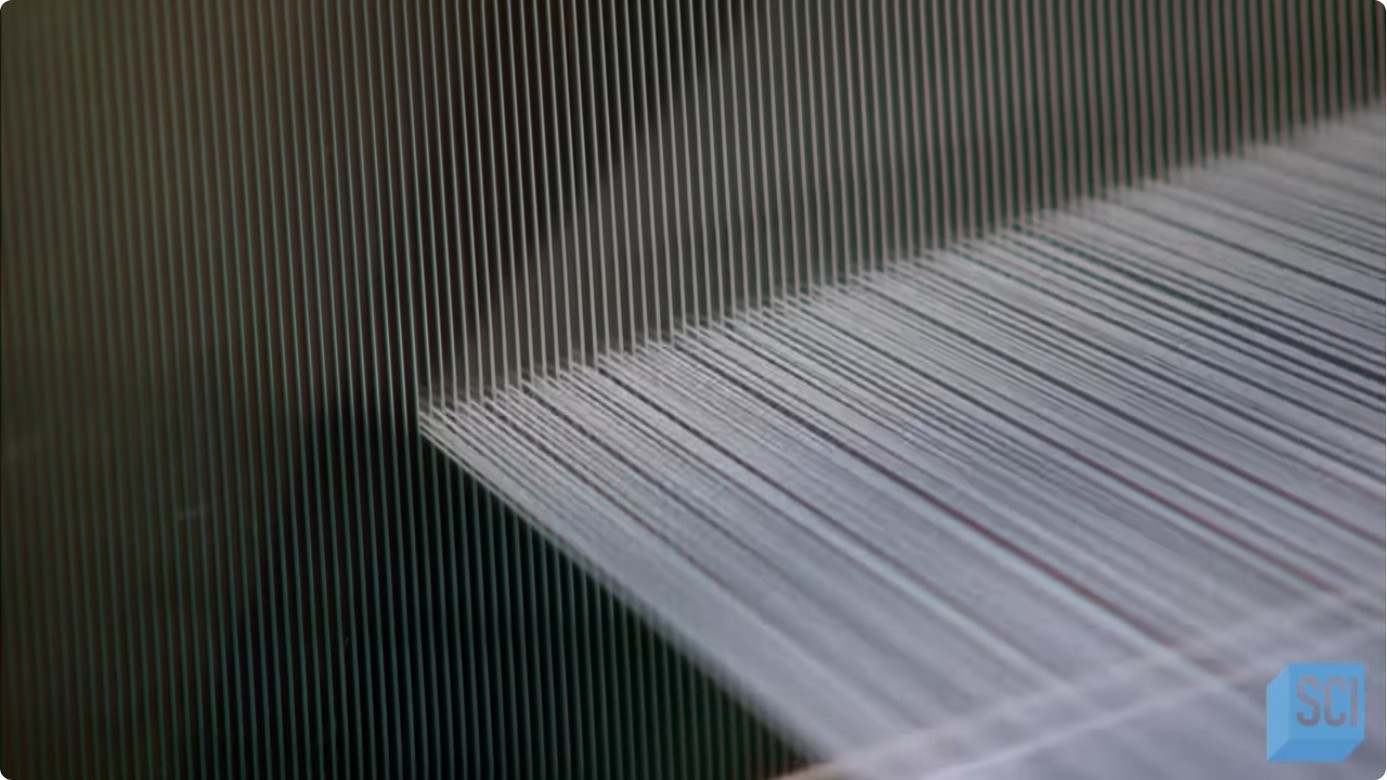
Waffle fabric, named for its iconic grid-like texture reminiscent of a breakfast waffle, is a weave structure, not a specific fiber. This distinction is critical when sourcing by the yard. The fabric’s characteristic surface is created by alternating floating warp and weft yarns, forming raised squares. This structure directly dictates its key properties: superior surface area for absorption, inherent breathability through the pockets of air in the weave, and a pleasing, dimensional hand feel. Whether you’re crafting luxury bathrobes,高性能運動服, or textured throw pillows, understanding this foundational weave is your first step.
This guide will walk you through the material science, practical applications, and sourcing logistics. You’ll learn to differentiate between honeycomb and piqué weaves, evaluate fabric weights and fiber blends for your specific use case, and develop a checklist for vetting wholesale suppliers. Our goal is to transform your search from a vague query into a targeted procurement strategy.
The term “waffle fabric” encompasses several related weave structures. The two most common are often confused but have distinct characteristics that affect drape, durability, and appearance.
While “waffle” is the umbrella term, the specific construction matters.
Practical Tip: Request a fabric swatch and examine the reverse side. Honeycomb will show a fairly regular, open pattern. Piqué’s reverse may have a more subtle, broken texture. The choice often comes down to absorbency vs. stability.
Fabric weight, measured in grams per square meter (GSM), is the single most important spec after weave type. A “waffle” at 150 GSM is a completely different product than one at 350 GSM.
Never order “waffle fabric by the yard” without specifying your target GSM. A supplier’s “mid-weight” is not a standardized term.
The weave provides structure, but the fiber provides function. Waffle is rarely 100% of anything for performance apparel; it’s the blend that tells the story.
| Common Blend | Key Properties | Primary Use Cases | Sourcing Note |
|---|---|---|---|
| 100% Cotton (Combed/Cottonized) | High absorbency, soft hand, natural, prone to shrinkage | Bathrobes, towels, baby apparel, eco-friendly basics | Look for “combed cotton” for smoother, stronger yarns. Pre-washed options reduce post-production shrinkage. |
| Cotton/Polyester (e.g., 60/40, 65/35) | Balanced: good absorbency, wrinkle resistance, durability, cost-effective | Hospitality linens, workwear, promotional apparel, everyday t-shirts | The industry workhorse. Polyester content stabilizes the weave and reduces cost. |
| Modal/Lycocell Blends | Extreme softness, superior drape, enhanced moisture management | Premium loungewear, luxury sleepwear, sensitive-skin apparel | Modal/Lycocell can be weaker when wet. Blends with cotton (e.g., 50/50) improve durability. |
| Recycled Polyester | Performance-driven: quick-dry, durable, moisture-wicking, eco-credential | Performance base layers, sportswear, travel apparel | Ensure the weave is tight enough (often a piqué) to prevent transparency during movement. |
Choosing the right waffle isn’t about the softest sample; it’s about matching the fabric’s inherent traits to the product’s functional demands. A mismatch here is the fastest route to returns and dissatisfied customers.
Hotels and spas have long championed waffle fabric for its visual appeal and functional performance. For bathrobes and towels, the priority is rapid absorption and a plush, spa-like feel. Here, a heavier GSM (300+), 100% cotton or high-cotton content (80/20 cotton/poly) honeycomb weave is standard. The open structure allows water to be drawn away from the skin quickly. A key caveat: these heavier fabrics have a high shrinkage rate. You must factor in 8-12% shrinkage (especially in length) into your pattern making and pre-wash your fabric if the end product has precise sizing requirements, like a fitted robe.
The waffle’s air pockets create natural ventilation channels, making it an intelligent choice for mid-layer performance wear. However, the requirements differ from home textiles. Here, moisture management and compressibility are key. A lighter-weight (180-220 GSM), tighter piqué weave in a moisture-wicking blend—typically polyester with a small percentage of Lycra or Spandex for stretch—is ideal. The polyester ensures quick drying, while the Spandex provides essential recovery for movement. The texture also helps minimize fabric sticking to the skin when sweating. Critical Trade-off: High polyester content reduces absorbency. This is not a fabric for sitting poolside; it’s engineered for active use where rapid evaporation is the goal.
From baby clothes to casual t-shirts, the appeal is often aesthetic and comfort-based. A mid-weight (220-250 GSM), 100% cotton or cotton-rich piqué offers a great combination of softness, opacity, and shape retention. For baby items, prioritize OEKO-TEX Standard 100 certification to ensure harmful substance levels are safe for sensitive skin. For durable kids’ wear, a cotton/polyester blend will withstand more frequent washing. The DIY crafter should note: lightweight waffle can be tricky to sew due to its open structure; use a walking foot and handle the fabric gently to avoid distorting the weave.
Related guide: The Complete Guide to Cotton Waffle Knit Fabric: Properties, Uses, and Sourcing
Ordering fabric wholesale is a business decision, not a shopping trip. Move from “I need waffle fabric” to “I need X yards of Y GSM Z-weave in fiber blend A from a reputable supplier” by following this verification process.
Suppliers range from massive global mills to niche converters. Your project scale and specificity will determine your best partner.
Red Flag: If a supplier cannot provide a detailed spec sheet (GSM, yarn count, finish) for their waffle fabric, proceed with extreme caution. Lack of technical data is a leading indicator of inconsistent quality.
Sourcing waffle fabric by the yard successfully hinges on three pillars: technical clarity, practical testing, and supplier due diligence. The fabric’s versatility is its greatest strength and its biggest pitfall—a “one size fits all” approach will fail. Always anchor your selection in the end-use:
Finally, remember that “by the yard” is a transaction, but “for my project” is a strategy. Invest time in swatching and testing. The cost of a failed batch due to poor fabric selection far exceeds the cost of a few sample yards and a thorough evaluation process.
Q: How much does waffle fabric typically shrink?
A: Unwashed, 100% cotton waffle can shrink 8-12% in length and 5-8% in width. Polyester blends shrink significantly less (2-5%). Always use the supplier’s specific test data, not industry averages.
Q: Can I use waffle fabric for fitted garments?
A: Yes, but with extreme caution. Only use fabrics with known, low shrinkage (e.g., pre-shrunk, polyester-rich blends). For 100% cotton, you must pre-wash your production fabric and grade your patterns for post-wash dimensions. Expect some distortion in the weave’s texture after washing.
Q: Is waffle fabric prone to snagging?
A: Honeycomb weaves with longer floats are more susceptible to snagging, especially in lighter weights. Piqué weaves, with their shorter floats, are much more resistant. Consider the garment’s use case—a lounge robe is less vulnerable than a children’s play shirt.
Q: Where can I find reliable technical data on a supplier’s fabric?
A: Reputable converters and mills will provide a spec sheet. For independent standards on testing methods, refer to resources from the American Association of Textile Chemists and Colorists (AATCC), which publishes the standard test methods referenced in fabric specifications.




