Address
304 North Cardinal
St. Dorchester Center, MA 02124
Work Hours
Monday to Friday: 7AM - 7PM
Weekend: 10AM - 5PM
Address
304 North Cardinal
St. Dorchester Center, MA 02124
Work Hours
Monday to Friday: 7AM - 7PM
Weekend: 10AM - 5PM
If you’ve ever reached for a favorite hoodie, a pair of soft sweatpants, or a comfortable t-shirt that feels warmer than a standard knit, you’ve likely experienced the cozy embrace of brushed French terry. It’s a staple in casualwear and activewear, prized for its distinctive texture and comfort. But what exactly makes it different from a regular terry cloth towel or a smooth jersey knit? Understanding the specifics of brushed French terry—its construction, material variations, performance traits, and sourcing considerations—is crucial for designers, brands, and anyone making informed decisions about fabric selection. This guide breaks down the realities of the fabric, moving beyond the general label to explore what defines quality, where it excels, and where its limitations lie.
Quick Take: What Makes Brushed French Terry Distinct
Unlike terry cloth used for towels, French terry is a weft-knit fabric where loops are formed on one side (usually the face) and a smooth surface on the other (the back). The “brushed” part refers to a mechanical finishing process where the loop side is napped with fine bristles to lift and cut the fiber ends, creating a soft, fleeced surface. This combination—a plush, insulating face and a smooth, stable back—is its signature. The result is a fabric that feels substantial and warm against the skin but isn’t as bulky or absorbent as traditional terry. It’s the go-to for garments that prioritize next-to-skin comfort with a casual drape.
To truly understand brushed French terry, you need to look at its two defining stages: the knit structure and the brushing finish. Each stage introduces variables that significantly impact the final hand, performance, and cost.
Related guide: Understanding Textile Woven Fabrics: A Practical Guide for Apparel Applications
French terry is created on a circular knitting machine using a weft-knit process. The key is the special sinker or loop formation that creates uncut, stable loops on one side. This looped construction is inherently more stable and less prone to runs than a plain jersey knit. The density of these loops (measured in loops per inch) determines the fabric’s weight and durability. A higher loop density generally means a heavier, more durable fabric. The smooth backside is simply the reverse of this knit structure, offering a clean surface that can be easily printed on or used as a garment’s interior.
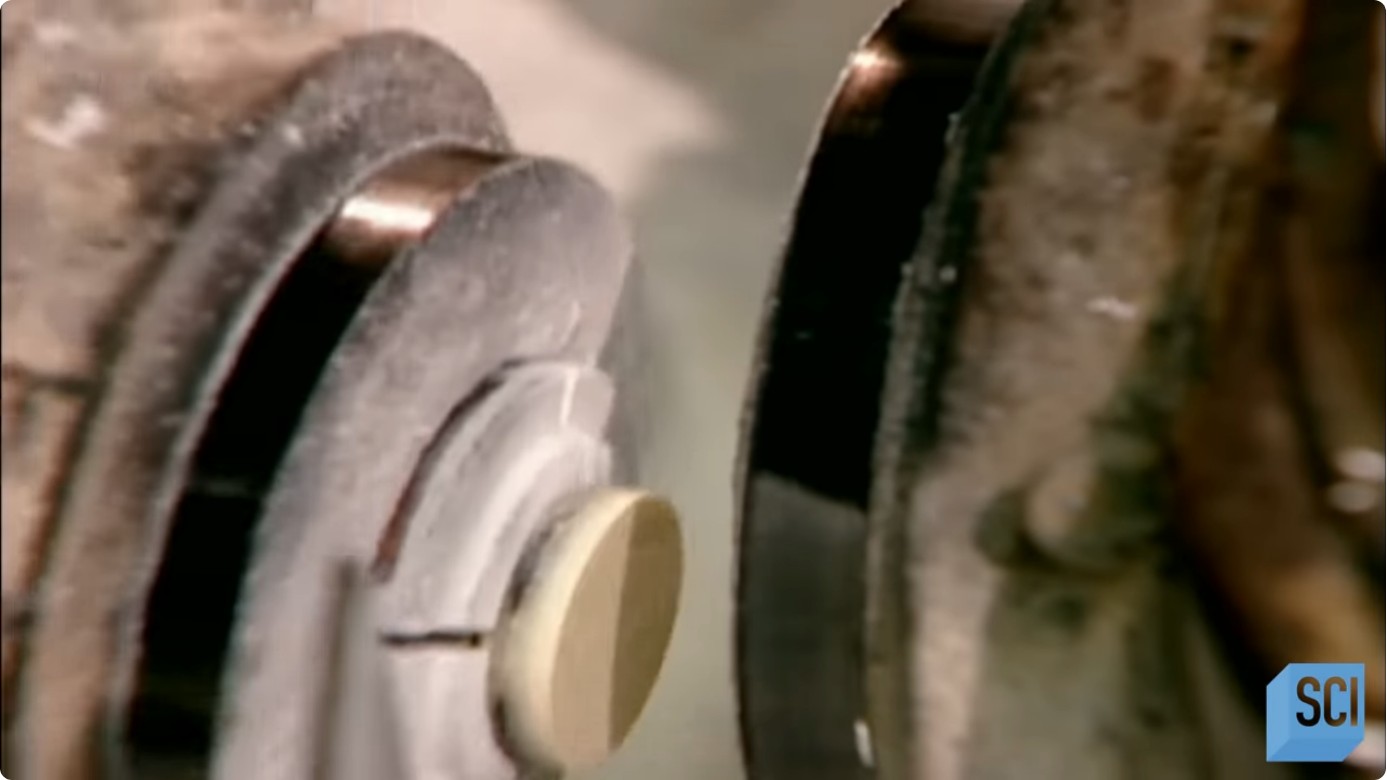
After knitting, the fabric passes through a brushing machine. This is a critical and variable step. The fabric is fed over a roller covered with fine, stiff wires or bristles that rub against the looped side, lifting and shearing the fiber ends to form a short, uniform pile. The intensity, speed, and number of brushing passes directly control:
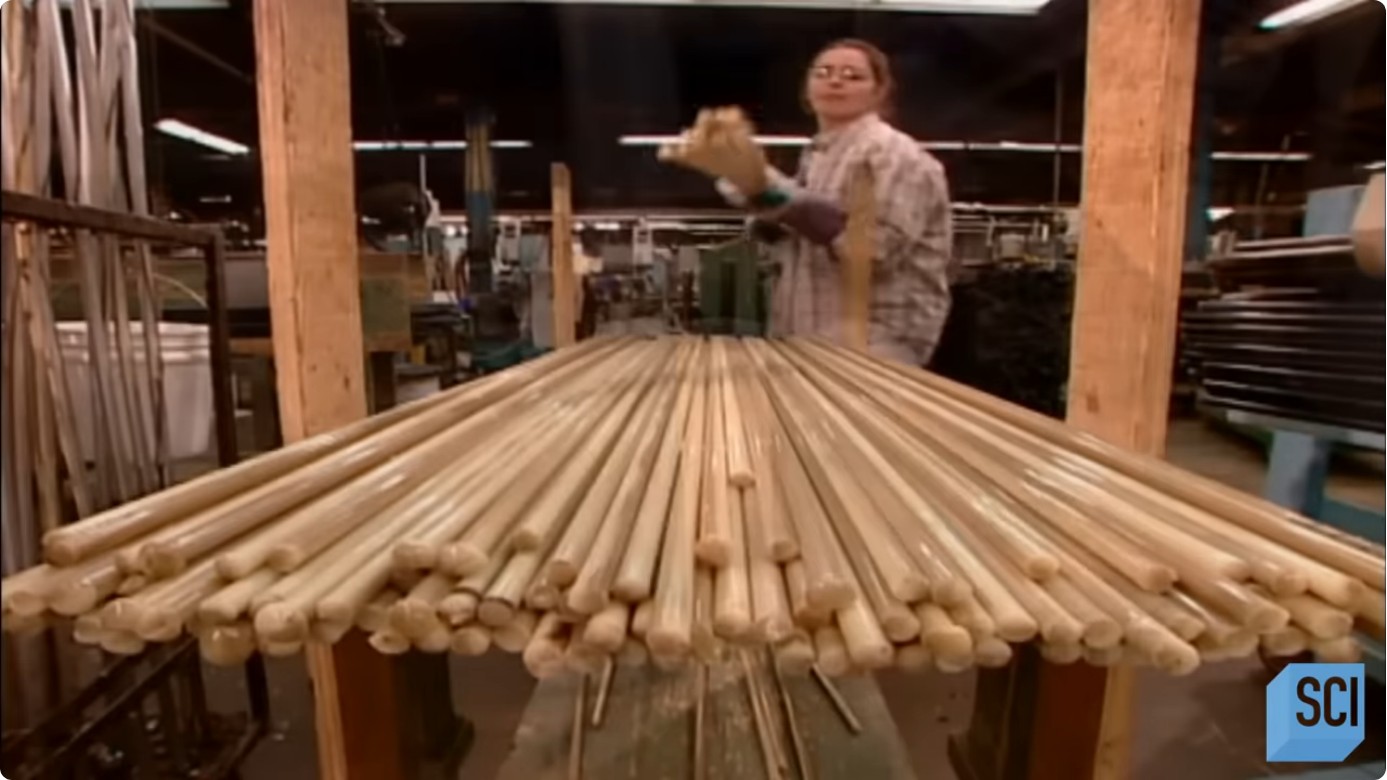
The brushed side is almost always the intended “face” or outer side of a garment, though occasionally it’s used as the interior for extreme softness.
You will rarely find a 100% synthetic brushed French terry. The loop structure and brushing process are inherently designed for natural and cellulosic fibers that respond well to napping. The most common compositions are:
| Fiber Composition | Primary Characteristics | Typical Applications & Tradeoffs |
|---|---|---|
| 100% Cotton (often ring-spun or combed) | Highest breathability, natural moisture absorption, classic hand. Prone to significant shrinkage (5-10%+), wrinkles, and can heavy when wet. | Premium loungewear, basics. Best for low-shrinkage tolerances or pre-shrunk garments. Costlier than blends for same weight. |
| Cotton/Polyester Blend (common ratios: 60/40, 80/20, 90/10) | Reduced shrinkage, improved wrinkle recovery, faster drying, enhanced durability and stability. Softness can be slightly less “natural” than 100% cotton. | Mass-market activewear, uniforms, workwear. The workhorse blend. Polyester content >30% can reduce breathability noticeably. |
| Cotton/Rayon (Viscose) Blend | Excellent drape, very soft hand, good luster. Rayon is weaker when wet, prone to more shrinkage, and can have stability issues. | Fashion-forward draped silhouettes, luxury casual. Requires careful laundering. Less durable than cotton/poly. |
| Organic Cotton (in any of the above) | Same properties as conventional counterpart but with certified agricultural and processing standards. Often slightly higher cost and potential for more color variation. | Eco-conscious brands, sustainable collections. Must verify certification (e.g., GOTS) for full credibility. |
Selecting brushed French terry requires matching its inherent properties to the garment’s intended function. It is not a high-performance technical fabric, but a comfort-focused casual knit.
Ordering brushed French terby requires clear communication with suppliers. Vague requests lead to inconsistent results. Use this checklist when reviewing specs and samples.
The optimal brushed French terry varies dramatically by product.
Will it shrink? How much?
Expect 3-8% shrinkage in length and 2-5% in width for 100% cotton, more if not sanforized. Polyester blends shrink 1-4%. Always test your specific fabric bolt.
Which side do I use as the right side?
The brushed, looped side is almost always the fashion face. The smooth back is typically the inside. However, for some avant-garde designs, the smooth side can be the exterior. Confirm with a fabric drape test.
Is it good for summer?
Not ideal. Its insulating properties trap heat. For warm weather, choose a lightweight (220 GSM), loose-weave French terry with minimal brushing, or switch to a single-knit jersey or mesh.
Can I screen print on it?
Yes, on the smooth backside. The brushed side is generally unsuitable for detailed prints due to the uneven surface. Plastisol or water-based inks work well on the stable reverse knit.
How do I care for garments made from it?
Cold water machine wash, gentle cycle. Tumble dry low or line dry. Avoid high heat, which can set wrinkles and damage fibers. Fabric softeners can reduce absorbency and increase pilling over time, so use sparingly or not at all for best longevity.
You may also like: French Terry Stretch Fabric: A Complete Guide to Properties, Sourcing, and Applications




