Address
304 North Cardinal
St. Dorchester Center, MA 02124
Work Hours
Monday to Friday: 7AM - 7PM
Weekend: 10AM - 5PM
Address
304 North Cardinal
St. Dorchester Center, MA 02124
Work Hours
Monday to Friday: 7AM - 7PM
Weekend: 10AM - 5PM
If you’re searching for “terry cloth material for sale,” you’re likely a small business owner, a DIY enthusiast, or a procurement manager for a hospitality brand. Your goal isn’t just to find a listing; it’s to source the *right* terry cloth—a material whose quality, weight, and composition directly impact the feel, durability, and cost of the final product, whether that’s a plush bath towel, a durable cleaning cloth, or a soft baby blanket. This guide moves beyond simple supplier directories to give you the framework for making an intelligent purchase. We’ll break down what terry cloth actually is, how its core variations affect performance, and the critical sourcing considerations that separate a good deal from a costly mistake.
At its core, terry cloth is a woven fabric characterized by its signature looped pile on one or both sides. These loops, formed by a special weaving technique where the weft yarn is left uncut, create a highly absorbent surface. The term “terry” derives from the French word tirer, meaning “to pull,” referencing how the loops are pulled to form the pile. It’s not a specific fiber, but a fabric construction. This means you can find terry made from 100% cotton, cotton-polyester blends, bamboo, and even microfiber variants. The loops trap air and moisture, making terry the undisputed champion for absorbent applications. However, the loop structure also makes it prone to snagging and can add bulk, which are key factors in design and use-case decisions.
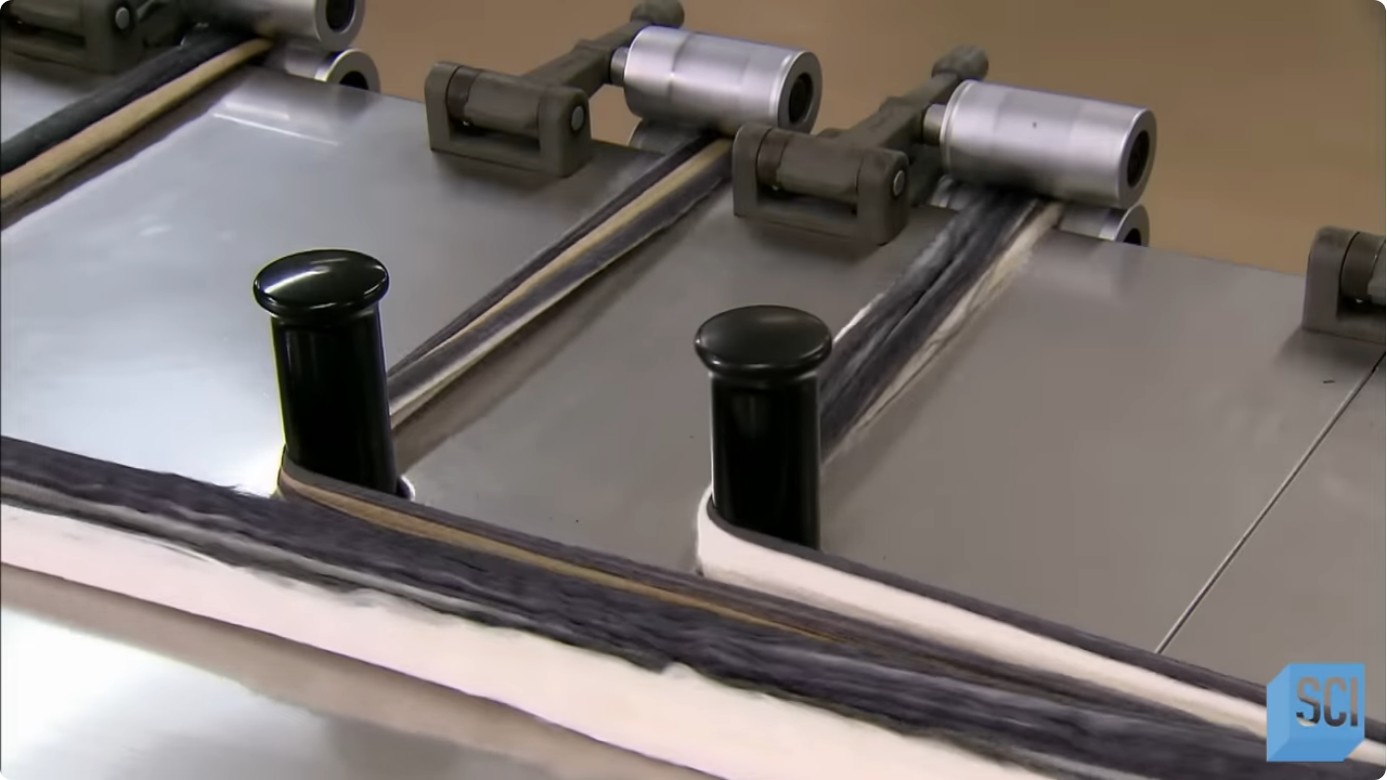
When you search for terry cloth for sale, you’re encountering a vast category. Your first task is to narrow it down based on three primary specifications: loop type (woven vs. knitted), pile height, and fiber content. Each combination serves a distinct purpose, and understanding these will filter out 80% of unsuitable options before you even request a sample.
You may also like: Is Spandex a Natural Fiber? Breaking Down the Science and Sourcing of Stretch
Not all terry is created equal. The two main categories are woven terry and knitted terry, and the difference is fundamental to the fabric’s hand and application.
This is the classic, traditional terry you associate with towels. It’s produced on a dobby or jacquard loom, creating a stable, relatively stiff fabric with prominent loops. Woven terry is dimensionally stable, meaning it holds its shape well and resists stretching. It’s the preferred choice for:
The trade-off is that woven terry can feel rougher initially (though it softens with washing) and has less inherent stretch. It’s also typically heavier and bulkier.
Knitted terry, often called French terry, is made on a knitting machine. It features loops on one side (usually the inside) and a smooth, flat surface on the other. This construction gives it a soft, supple hand and significant stretch—usually 20-30% in the width direction. It’s considerably lighter and more drapey than woven terry. Ideal applications include:
The key caveat: knitted terry is not suitable for heavy-duty absorbent tasks like a bath towel. Its loop structure is less dense, and its stretch can distort under heavy, wet loads. Choosing between woven and knitted is your first and most important decision.
Fiber content is your second major lever, affecting cost, feel, longevity, and care.
| Fiber Content | Key Characteristics | Best For | Primary Caveats |
|---|---|---|---|
| 100% Cotton | Highest natural absorbency, softens with age, biodegradable. Can shrink if not pre-shrunk. | Premium bath towels, organic baby products, high-end robes. | Can take longer to dry, may shrink 5-10% if not treated. |
| Cotton/Polyester Blend (e.g., 80/20, 60/40) | Improved durability, faster drying, better color retention, more affordable. Reduced absorbency vs. 100% cotton. | Commercial hotel towels, gym towels, budget-friendly consumer towels, children’s items (stain & fade resistant). | Less soft “luxe” feel, can feel less breathable, synthetic content. |
| Bamboo/Viscose from Bamboo | Incredibly soft silk-like hand, excellent moisture wicking, natural antimicrobial properties, highly breathable. | Luxury baby blankets, sensitive-skin loungewear, eco-conscious branding. | Weaker when wet (can stretch or tear), more expensive, requires gentle laundering. Must be carefully labeled per FTC rules. |
| Microfiber Terry | Extreme absorbency per weight, very quick-drying, lint-free. Loops are ultra-fine. | Cleaning cloths (glass, cars), sports towels, travel accessories. | Not a traditional “cozy” terry; feel is more synthetic. Can attract static. |
Decision Point: For a bath towel, prioritize absorbency and feel: lean 100% cotton or a high-cotton blend. For a robe or sweatshirt, prioritize softness and comfort: consider bamboo or a high-quality cotton jersey-back terry. For cleaning, prioritize function: microfiber terry is king.
Now that you know what you need, where do you find it? The sourcing channel depends on volume, customization needs, and budget.
Essential Verification Checklist Before You Buy:
Let’s apply this framework to common purchasing scenarios.
Scenario 1: You’re launching a line of premium baby blankets.
Your priorities are extreme softness, gentle skin contact, and eco-friendly marketing. You should source knitted (French) terry made from organic cotton or a bamboo/cotton blend. The knit provides the necessary softness and slight stretch. Expect higher material costs and lower MOQs from specialty mills. Your trade-off is durability—baby blankets don’t face commercial laundering, so the slightly lower strength of bamboo or a fine knit is acceptable.
Scenario 2: You supply towels to a mid-sized hotel chain.
Your drivers are cost per wash, durability, and consistent GSM. You need woven terry in the 400-450 GSM range. A 80/20 cotton-polyester blend is likely your best bet: it will withstand hundreds of launderings, dry faster than 100% cotton (saving energy), and hold color well. You will source this from a large industrial wholesaler or directly from a mill capable of consistent, high-volume production. The trade-off is a less luxurious “hand” than 100% cotton, but for a hotel, longevity and cost-per-use are paramount.
Scenario 3: You need a fabric for a new line of高性能运动毛巾.
Absorbency must be paired with ultra-fast drying and minimal bulk. This points to microfiber terry. You’ll likely source from a manufacturer specializing in performance textiles, possibly with a proprietary blend. The trade-off is the non-traditional feel; you must manage customer expectations that this is a technical tool, not a plush bathroom towel.
Before finalizing a supplier, factor in logistics. Terry cloth is bulky. Shipping costs, especially for woven heavy terry, can be a significant portion of your landed cost. Always get quotes including freight to your door. For domestic sourcing, consider the supplier’s location relative to your factory to minimize trucking costs.
Sustainability is no longer a niche concern. Ask suppliers about:
These factors increasingly influence purchasing decisions, especially in the EU and among younger demographics.
Q: What GSM is best for a bath towel?
A: There’s no universal “best,” but a standard is 400-500 GSM for a good balance of absorbency and dryability. Luxury hotels and consumers often seek 600+ GSM, which is thicker and plusher but takes longer to dry and costs more.
Q: Can I use woven terry for a robe?
A: Absolutely. Woven terry robes are traditional and very durable. However, they are heavier. For a lighter, more draped robe, a knitted terry (French terry) is a more modern and comfortable choice.
Q: How do I avoid the stiff, rough feel of new cotton terry?
A: Look for “ring-spun” cotton, which produces a softer, stronger yarn. Also, fabric that has been enzyme-washed or garment-washed pre-sale will start softer. Plan for multiple washes—quality cotton terry softens dramatically with use.
Q: Is a higher price always better quality?
A: No. Price reflects fiber cost, manufacturing location, and brand markup. A high GSM 60/40 blend from a efficient mill can be more durable (and cost-effective over time) than a low-quality 100% cotton. Always rely on your sample and specification verification, not just the price tag.
Helpful tip: The Complete Guide to Orange Camo Fabric: From Hunting Grounds to Job Sites




