Address
304 North Cardinal
St. Dorchester Center, MA 02124
Work Hours
Monday to Friday: 7AM - 7PM
Weekend: 10AM - 5PM
Address
304 North Cardinal
St. Dorchester Center, MA 02124
Work Hours
Monday to Friday: 7AM - 7PM
Weekend: 10AM - 5PM
Have you ever pulled on a soft, well-worn cotton t-shirt and felt an instant sense of comfort, only to later sweat through a polyester blouse on a warm day? That visceral experience touches on the fundamental appeal of natural fabrics. In a textile landscape dominated by synthetics, understanding the tangible advantages of materials like cotton, linen, wool, and silk is more than a fashion choice—it’s about aligning your wardrobe with comfort, sustainability, and long-term value. This guide cuts through the marketing to explore what natural fabrics truly offer, where they fall short, and how to decide what’s right for your life and values.
We’ll move beyond generic “natural is better” claims. Instead, we’ll examine the specific properties that define these fibers, the practical scenarios where they excel, and the critical trade-offs—like special care requirements and cost—that you must weigh. By the end, you’ll have a clear framework for making informed fabric choices, whether you’re stocking a closet, sourcing for a brand, or simply seeking a more comfortable daily wear.
Natural fabrics, derived from plants (cotton, linen, hemp) or animals (wool, silk), possess inherent molecular structures that translate into distinct performance characteristics. Their primary advantages stem from this organic origin.
You may also like: Where to Print Custom Fabric: A Strategic Guide for Designers and Brands
The most celebrated benefit is wearer comfort. Natural fibers are generally more breathable and possess better moisture-wicking properties than many synthetics.
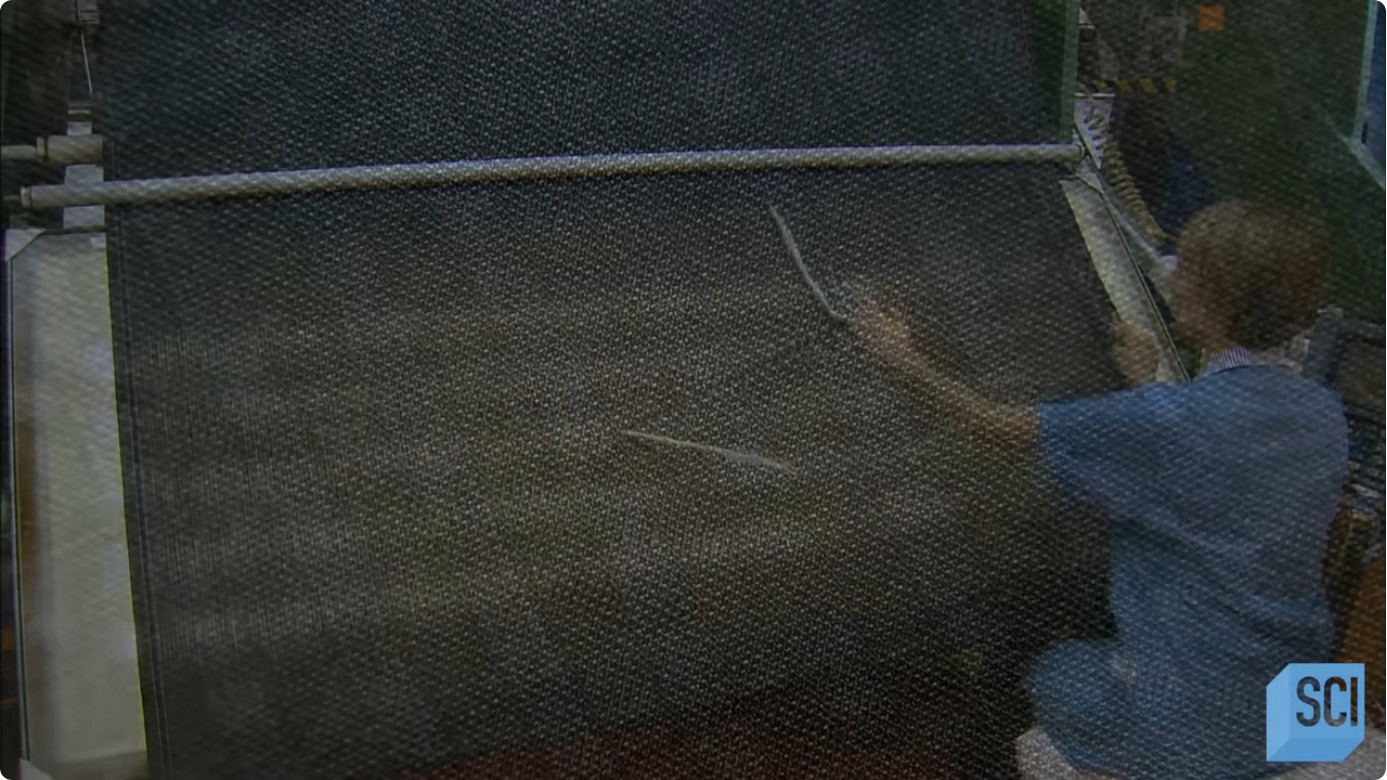
Example: A linen shirt is a classic choice for hot climates precisely because its loose weave and fiber structure allow air to pass through, evaporating sweat efficiently. For the same reason, merino wool base layers are favored by athletes for keeping skin dry during intense activity.
This is a critical environmental advantage. When a natural fiber garment reaches the end of its life, it will decompose under proper conditions—unlike polyester or nylon, which persist in landfills for centuries and shed microplastics during laundering that pollute waterways.
Caveat: Biodegradability is not a license for careless disposal. A cotton garment treated with chemical finishes or blended with synthetics may not break down cleanly. True end-of-life benefit requires composting facilities or natural decomposition, which are not universally available.
Many people find natural fibers gentler on sensitive skin. Wool, specifically fine merino, is known for being non-itchy and can even help with eczema due to its moisture management. Linen and cotton are also commonly recommended for allergies.
Important Distinction: “Hypoallergenic” does not mean “allergy-proof.” Some individuals have specific allergies to proteins in wool or silk. Additionally, chemical residues from dyeing and finishing processes—common to both natural and synthetic fabrics—are a far more frequent cause of skin irritation than the fiber itself. Look for GOTS (Global Organic Textile Standard) or OEKO-TEX certifications to minimize this risk.
Certain natural fibers offer exceptional longevity. Hemp is significantly stronger than cotton when wet. Wool fibers have a natural crimp and elasticity, allowing garments to resist wrinkling and bounce back from stress, leading to a longer wearable life. This durability can offset a higher initial cost through cost-per-wear.
Advantages are only one side of the equation. Natural fabrics come with inherent and practical constraints that must inform your decision.
| Property | Natural Fiber Typical Behavior | Synthetic Fiber Typical Behavior | Practical Implication |
|---|---|---|---|
| Wrinkle Resistance | Prone to wrinkling (linen, cotton). Wool is naturally wrinkle-resistant. | Generally wrinkle-resistant; often needs little to no ironing. | Natural fabrics may require ironing or steaming for a crisp look. Wool travelwear is a notable exception. |
| Shrinkage | Can shrink significantly if washed/dried improperly (especially wool & cotton). | Dimensionally stable; minimal shrinkage. | Careful laundering (cold water, air dry) is often mandatory. “Pre-shrunk” cotton is not always fully shrink-proof. |
| Drying Time | Absorbent, so they dry slower than synthetics. | Hydrophobic; dry very quickly. | Air-drying natural fabrics takes longer and requires planning. This can be a disadvantage for travel or frequent laundry cycles. |
| Cost | Generally higher raw material and processing costs (especially organic, ethical, or fine fibers like Pima cotton, silk). | Lower cost due to efficient, scalable petroleum-based production. | The upfront investment is higher. The value proposition depends on intended use and frequency of wear. |
| Performance Limitations | Weak when wet, susceptible to mildew, less UV-resistant than some synthetics. | Can be engineered for high UV resistance, extreme water repellency, and athletic performance. | For rugged outdoor work, high-sweat sports, or marine environments, specialized synthetics may objectively perform better. |
The best fabric depends entirely on your primary need. Here’s a quick-reference guide for common use cases.
Before purchasing, run through these questions:
Is Tencel™ or Modal a “natural” fabric?
Technically, they are regenerated cellulose fibers made from plant pulp (like eucalyptus or beech trees) processed with chemicals. They are not natural fibers like cotton but are often marketed as eco-friendly. Their feel is silky and they drape beautifully, with good moisture management. They sit in a middle ground—more processed than cotton but biodegradable under the right conditions.
Do natural fabrics always cost more?
Not always. Basic, conventionally grown cotton can be very affordable. However, the premium segment—organic, extra-long staple (ELS) cotton like Supima®, fine silk, or certified wool—commands a higher price due to more labor-intensive farming, lower yields, and stricter processing standards. The cost reflects the value embedded in the production, not just the raw fiber.
What’s the single biggest mistake people make when buying natural fabrics?
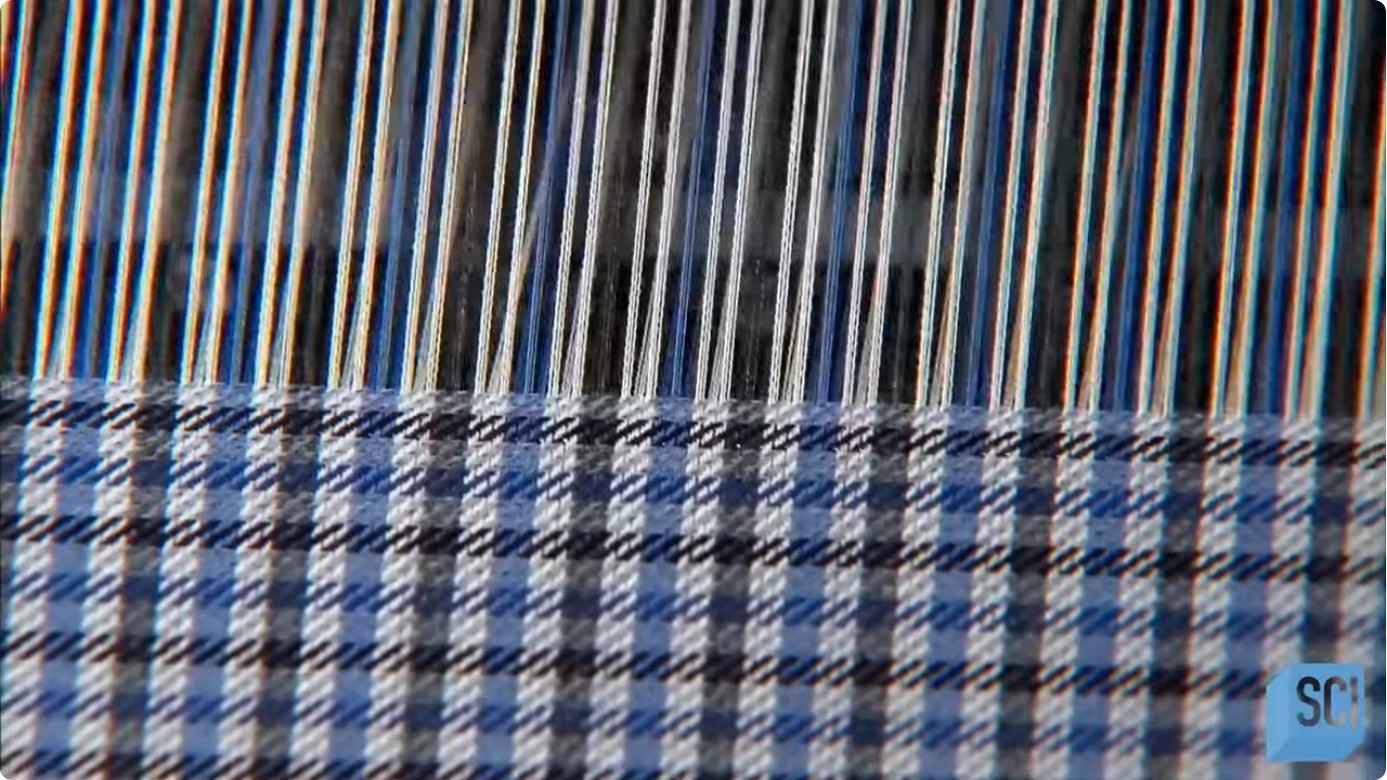
Ignoring the fabric construction (weave or knit) and finishing. A loosely woven, unwashed linen will wrinkle dramatically and feel stiff. A tightly woven, mercerized cotton will be smooth and resist wrinkles better. Two shirts labeled “100% cotton” can perform entirely differently based on these factors. Always consider the yarn count, weave, and any special finishes mentioned.
Related guide: Jersey Cotton Fabric: The Comprehensive Guide to Properties, Weights, and Sourcing




