Address
304 North Cardinal
St. Dorchester Center, MA 02124
Work Hours
Monday to Friday: 7AM - 7PM
Weekend: 10AM - 5PM
Address
304 North Cardinal
St. Dorchester Center, MA 02124
Work Hours
Monday to Friday: 7AM - 7PM
Weekend: 10AM - 5PM
Terry cloth is the fabric you reach for after a shower, the soft companion on a cold night, and the workhorse in your cleaning cabinet. Yet, beneath its familiar looped surface lies a world of variation that dramatically affects performance, feel, and longevity. Understanding terry isn’t just about recognizing its texture; it’s about knowing which construction, material blend, and weight will actually suit your specific need—whether that’s a luxury bathrobe, a durable gym towel, or a high-absorbency cleaning cloth. This guide cuts through the marketing to give you the practical details you need to select, source, and care for terry cloth effectively.
We’ll explore how terry is actually made, decode the jargon like GSM and ring-spun cotton, compare the major material blends, and provide concrete checklists for evaluating quality. You’ll learn why not all terry is created equal and how to avoid common pitfalls that lead to stiff, thin, or quickly worn-out fabric.
The defining feature of terry cloth is its pile surface—loops of yarn that stand up from the base fabric. These loops create extra surface area, which is the secret to terry’s legendary absorbency. The method of forming these loops splits terry into two primary constructions, each with distinct characteristics.
Also read: A Practical Guide to Hypoallergenic Athletic Wear: Materials, Certifications, and Smart Shopping
Traditional terry, especially for towels, is woven. In this process, two sets of warp yarns run lengthwise. One set forms the stable, flat background (the ground), while the second set is looped over wires during weaving to create the pile. After weaving, the wires are removed, leaving free-standing loops. This produces a very absorbent, sturdy fabric that is generally less stretchy. The length of the loop (pile height) and the density of loops per square inch are major factors in softness and water-holding capacity.
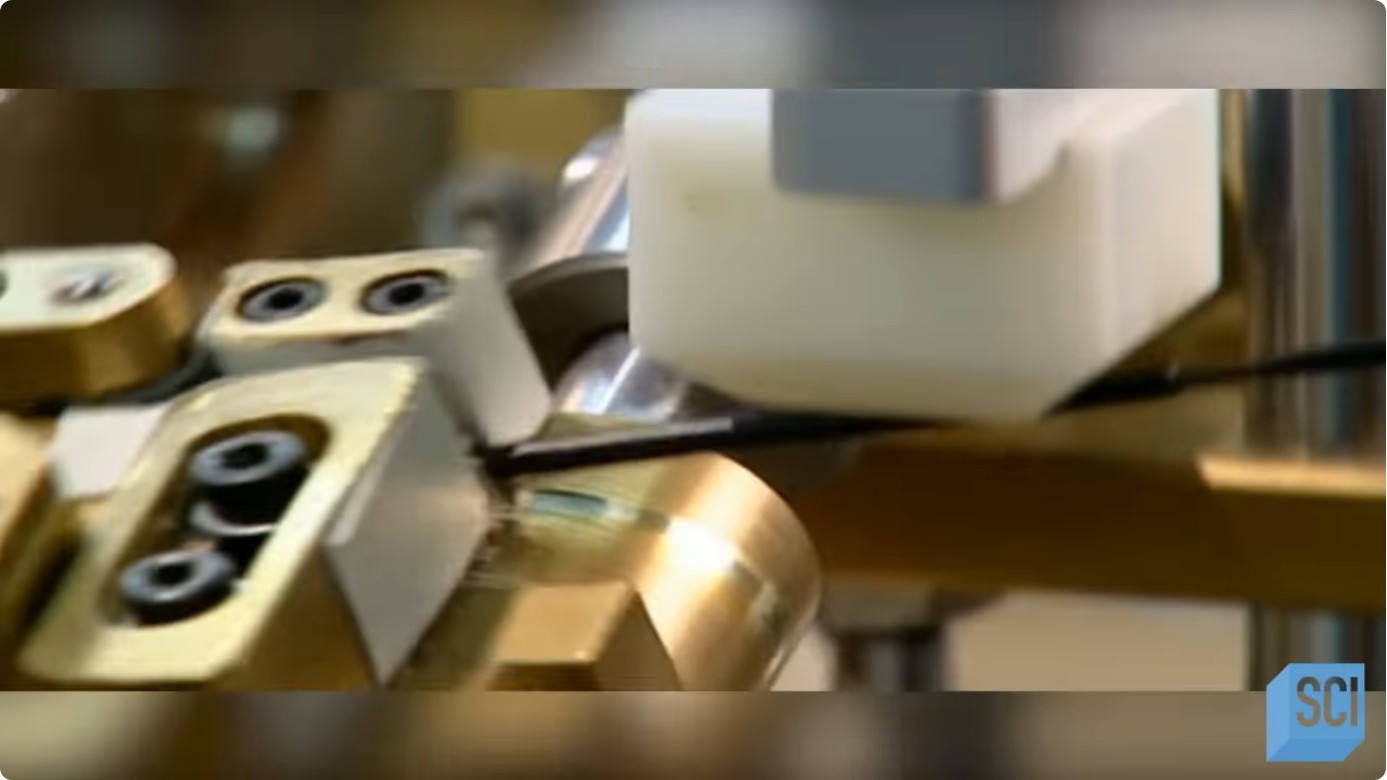
Knitted terry is made on knitting machines, similar to those used for t-shirts. The loops are an inherent part of the knit structure rather than being added during a separate weaving step. This construction gives the fabric inherent stretch, a softer drape, and often a more uniform, shorter pile. You’ll commonly find knitted terry in bathrobes, baby blankets, and some loungewear where comfort and flexibility are prioritized over maximum absorbency.

While 100% cotton is the gold standard for absorbency and natural softness, blends are ubiquitous and serve specific purposes. The yarn type and fiber content are the first decisions that shape the final product.
Cotton Varieties: Not all cotton is the same. Upland cotton is the standard, workhorse fiber. Pima and Supima® cotton (a trademarked, extra-long staple variety) and Egyptian cotton (historically long-staple, though the term is now less regulated) produce longer, stronger yarns. These allow for a smoother, stronger, and often softer terry with a more luxurious feel. For buyers, certifications like Supima® offer traceability for these premium fibers.
Synthetic Blends: Adding polyester (common ratios are 80/20 or 65/35 cotton/polyester) significantly increases durability, quick-drying speed, and colorfastness while reducing cost and shrinkage. The tradeoff is a noticeable reduction in absorbency and a potentially less soft hand feel. These blends are ideal for high-volume commercial use (hotels, gyms) where longevity and low maintenance are critical. Cotton Incorporated provides extensive research on cotton/polyester blend performance.
Other Fibers: Bamboo-derived viscose (often blended with cotton) offers excellent softness and natural antimicrobial properties but can be less absorbent and less durable when wet. Linen or hemp blends add incredible durability and a unique texture but are less common and typically heavier.
The following table summarizes the key tradeoffs:
| Material | Absorbency | Softness | Durability | Drying Speed | Cost | Best For |
|---|---|---|---|---|---|---|
| 100% Cotton (Upland) | Excellent | Good (improves with washing) | Fair-Good | Slow | Low-Moderate | Everyday towels, basic bathrobes |
| 100% Long-Staple Cotton (Pima/Supima®) | Excellent | Excellent | Very Good | Slow | High | Luxury towels, premium robes |
| 80/20 Cotton/Polyester | Good | Fair-Moderate | Excellent | Fast | Moderate | Hotels, gyms, frequent-use items |
| 65/35 Cotton/Polyester | Fair | Fair | Excellent | Very Fast | Low-Moderate | Budget commercial, outdoor use |
| Cotton/Bamboo Viscose Blend | Good | Excellent | Fair (weakened when wet) | Moderate | Moderate-High | Sensitive skin, eco-conscious loungewear |
Beyond fiber content, two technical specifications govern terry’s real-world behavior: weight and yarn formation.
GSM (Grams Per Square Meter): This is the universal metric for fabric weight. It’s the single most important spec for judging towel quality. Lower GSM (below 300) feels thin, lightweight, and is best for travel towels, gym bags, or quick-dry needs. Medium GSM (300-500) is the sweet spot for most household towels—balanced absorbency and heft. Heavyweight GSM (above 500, up to 800+ for luxury) produces thick, plush, highly absorbent towels that feel substantial but take longer to dry and launder. A higher GSM does not automatically mean better quality; loop stability and evenness matter equally.
Yarn Type: Ring-Spun vs. Open-End: This is a critical distinction often ignored in marketing. Ring-spun yarn is made by continuously twisting and thinning the fibers, resulting in a stronger, smoother, and significantly softer yarn. Terry made with ring-spun cotton feels luxurious and becomes even softer with washing. Open-end yarn is produced by a faster, cheaper process that creates a fuzzier, weaker yarn with a more pronounced napped surface initially. It feels less soft, pills more readily, and has a shorter lifespan. Always look for “ring-spun” on labels or specs for premium terry.
Also read: The Practical Guide to Knitted Fabric Material: From Structure to Sourcing
While terry’s home is the bathroom, its properties have led to innovative applications. The choice of construction and blend directly enables these uses.
Whether you’re a consumer buying a set or a business sourcing wholesale, a physical or digital inspection is possible with the right checklist. Don’t rely on feel alone—manufacturers can soften fabric temporarily with chemical finishes that wash out.
For Any Purchase:
For Wholesale/Private Label: Request pre-production samples and insist on lab reports for GSM, tensile strength, and shrinkage. A good supplier will provide this. Be wary of prices that seem too good—they almost always mean open-end yarn, low GSM, and irregular weaving.
Improper care destroys terry cloth faster than normal wear. The loops can mat down, become stiff, or unravel.
Is a higher GSM always better for a towel?
No. For a beach towel, you might want medium GSM that dries quickly. For a sumptuous bath sheet, heavyweight GSM is desirable. Match GSM to the use case and drying constraints.
What’s the single best indicator of quality?
The combination of ring-spun yarn and a stable, even loop formation is more telling than GSM alone. A low-GSM ring-spun towel can feel superior to a high-GSM open-end towel.
Can I fix a terry cloth towel that has become stiff and non-absorbent?
Often, yes. Wash it in the hottest water safe for the fabric (check care label) with no detergent, then add one cup of white vinegar to the rinse cycle. This helps strip away any accumulated softener residue and mineral deposits. Repeat if necessary.
How often should I replace terry towels?
With proper care, good quality cotton towels can last 5-7 years. Replace them when the loops have significantly matted down, the fabric feels thin or stiff despite washing, or holes/loose threads appear. For commercial use, expect a 1-2 year lifespan with heavy use.
Terry cloth’s enduring popularity is a testament to the simple, brilliant engineering of its looped pile. By looking past the generic “soft” claim and focusing on construction, fiber, and weight, you can select fabric that performs exactly as needed, lasts for years, and delivers the comfort and function you expect.
Also read: The Practical Guide to Pale Blue Cotton: From Dyeing to Sourcing




