Address
304 North Cardinal
St. Dorchester Center, MA 02124
Work Hours
Monday to Friday: 7AM - 7PM
Weekend: 10AM - 5PM
Address
304 North Cardinal
St. Dorchester Center, MA 02124
Work Hours
Monday to Friday: 7AM - 7PM
Weekend: 10AM - 5PM
Double cotton gauze is a uniquely textured, lightweight fabric that has surged in popularity for apparel, home textiles, and specialized applications. Unlike standard single-layer gauze, its defining characteristic is a bonded or woven construction of two distinct layers, creating a fabric that is simultaneously airy, surprisingly warm, and exceptionally soft. This guide cuts through the marketing to explain exactly what double cotton gauze is, where it excels, where it falls short, and how to source it intelligently for your specific project.
For designers, sewists, and small brand owners, understanding this material’s nuances is critical. Its performance is not universal; choosing it for the wrong application leads to disappointment. This article breaks down its construction, compares it to similar fabrics, details its practical pros and cons, and provides a clear framework for selecting and purchasing the right double gauze for your needs.
Before diving into details, anchor your decision on these three core factors. They dictate the fabric’s final behavior and suitability.
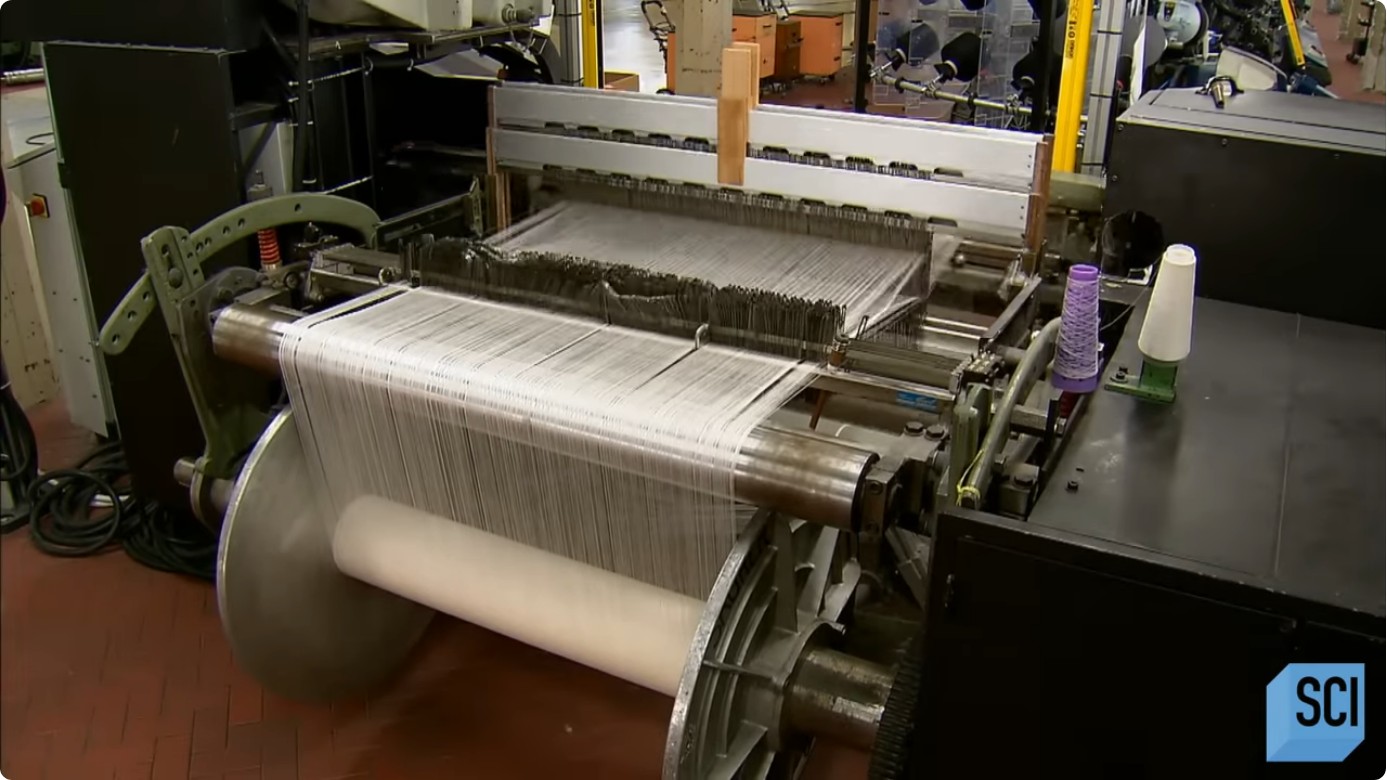
To understand double gauze, start with single gauze. A single gauze is an open, plain weave where warp and weft yarns cross over each other one at a time, creating a grid of tiny holes. It’s thin, crinkly, and quite sheer.
Double gauze takes two of these single gauze layers and integrates them. The integration method creates two primary sub-types:
In this premium construction, yarns from one layer actually weave through the second layer at regular intervals. This creates a more stable, less sheer fabric that doesn’t separate. It feels more like a single, soft, pebbly cloth and is less prone to layer separation during wear and laundering. This is the type most sought after for high-quality apparel.
Here, two separate gauze layers are bonded together with a minimal adhesive or heat treatment at the intersection points. It’s often less expensive but can feel slightly stiffer initially and may be more prone to layer separation at the edges over time, especially with aggressive washing. It’s common in very low-cost imported textiles and some home decor items.

Practical Tip: You can often tell the difference by feel and stretch. Interlocked gauze has a consistent, integrated texture and a balanced give. Bonded gauze might feel like two distinct, slightly slippery layers that can shift if you pull them apart gently at a seam edge.
No fabric is perfect for everything. Double cotton gauze’s performance is a series of trade-offs.
| Strength | Limitation | Ideal Application Scenario | Application to Avoid |
|---|---|---|---|
| Exceptional Breathability & Temperature Regulation | Low abrasion resistance; can snag or tear | Summer blouses, baby clothing, swaddles, lounge wear, scarves | Heavy-use workwear, pants, upholstery, bags |
| Remarkable Softness (Improves with Wash) | Poor drape for structured garments; tends to billow | Wrap dresses, loose trousers, kimono-style robes, pillow covers | Fitted sheath dresses, blazers, tailored skirts |
| Good Moisture Absorption (Cotton) | Slow drying time compared to synthetics | Post-bath robes, spa wear, light ski mid-layers (under insulation) | High-performance athletic wear where rapid wicking is critical |
| Natural, Hypoallergenic (100% Cotton) | Significant shrinkage (up to 10%) if not pre-washed | Sensitive-skin baby items, organic apparel lines, medical/scarf use | Projects requiring precise, pre-determined dimensions without pre-shrinking |
| Unique Textural Aesthetic | Can look casually “wrinkled” even when smooth | Bohemian styles, relaxed-fit designs, heirloom sewing, artisan crafts | Sharp, corporate, or minimalist aesthetics that demand a crisp finish |
Sourcing double gauze requires looking beyond the generic “cotton gauze” label. Use this checklist when evaluating suppliers, whether on wholesale platforms like Fabric.com, direct from mills, or through aggregators.
Improper care is the primary reason double gauze garments fail prematurely. The fabric’s loose structure is sensitive.
Can I use double gauze for a structured bag or tote?
Generally, no. Its lack of internal structure and low tensile strength mean it will stretch and distort under load. For a casual, soft-sided market bag with a very light load, it might work, but for anything holding books, electronics, or daily essentials, a canvas, twill, or heavy linen is required.
Is double gauze suitable for winter?
As a standalone layer, no. However, its unique property is exceptional warmth for its weight due to the air pocket between the two layers. This makes it an outstanding mid-layer—a warm, breathable liner under a sweater, jacket, or coat. A heavier (200+ GSM) double gauze can even serve as a lightweight standalone robe or throw in cool indoor environments.
What’s the best seam finish for double gauze? Given its tendency to fray, French seams or a narrow rolled hem are highly recommended for garment construction. A standard zig-zag or serger finish is acceptable for home goods but can feel bulky against the skin in apparel.




