Address
304 North Cardinal
St. Dorchester Center, MA 02124
Work Hours
Monday to Friday: 7AM - 7PM
Weekend: 10AM - 5PM
Address
304 North Cardinal
St. Dorchester Center, MA 02124
Work Hours
Monday to Friday: 7AM - 7PM
Weekend: 10AM - 5PM
French terry fabric is a mainstay in modern apparel, celebrated for its comfortable, casual hand feel and versatile performance. It’s the material you’ll find in everything from premium sweatpants and hoodies to lightweight yoga tops and baby clothes. But what exactly makes it different from a standard jersey knit or a classic terry cloth towel? Understanding its construction, material composition, and inherent trade-offs is crucial for designers, brand owners, and informed consumers alike. This guide cuts through the marketing terms to give you a practical, detailed look at French terry, helping you make smarter material decisions for your next project or purchase.
Despite its name, French terry isn’t exclusively French nor is it a terry cloth in the towel sense. It’s a specific type of knit fabric characterized by a smooth, flat face and a distinctive looped, textured back. This unique structure lies at the heart of its appeal, balancing softness, breathability, and absorbency. However, not all French terry is created equal. The fiber content—from 100% cotton to sophisticated synthetic blends—dramatically alters its performance, durability, and care requirements. Navigating these options requires knowing what to look for and what questions to ask your supplier.
This article will serve as your definitive reference. We’ll explore the fabric’s anatomy, break down the pros and cons of common fiber blends, compare it to similar textiles, and provide actionable advice for sourcing and care. Whether you’re launching a sustainable activewear line, sourcing wholesale for a retail brand, or simply choosing the perfect fabric for a DIY project, understanding the nuances of French terry will ensure your final product meets its intended purpose.
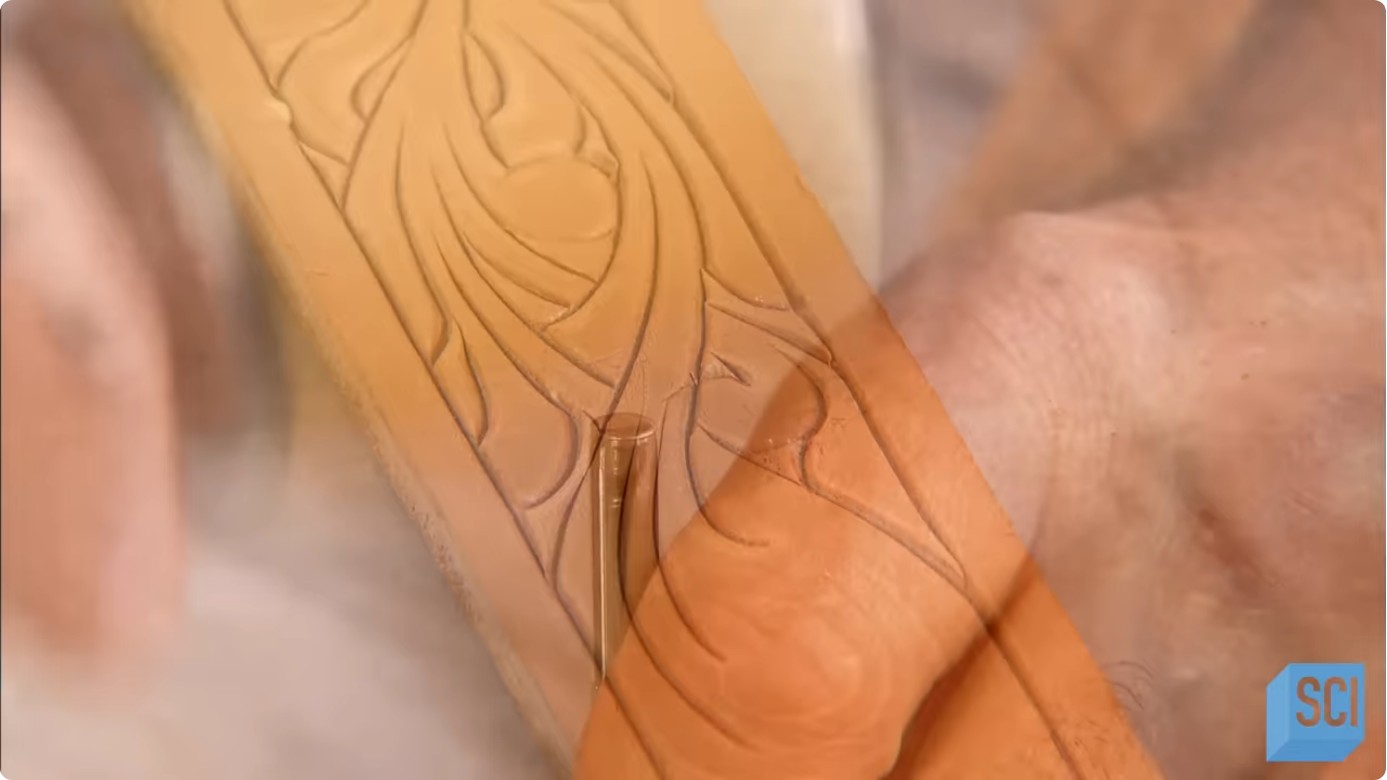
At its core, French terry is a weft-knit fabric. The defining feature is created during the knitting process: on one side (the “face”), the yarns form a smooth, flat surface akin to a jersey knit. On the reverse side (the “back”), the knitting machine intentionally forms long, looped yarns that stand away from the fabric base. These loops create the signature soft, textured pile.
This looped construction is key to its functionality. The loops act as tiny reservoirs, capable of wicking moisture away from the skin and holding it within the fabric structure, rather than spreading it across the surface. This gives French terry a superior feel against the skin compared to a smooth jersey when damp, and it provides a degree of thermal insulation. It’s important to distinguish it from:
Before diving deeper, here is a quick-reference breakdown of French terry’s fundamental traits and common variations.
| Characteristic | Typical for French Terry | Influencing Factors |
|---|---|---|
| Feel & Texture | Smooth face, soft looped back. | Yarn size, loop length, brushing. |
| Weight Range | Light (180 GSM) to Heavy (350+ GSM). | Yarn thickness, gauge of knitting machine. |
| Breathability | Good to Very Good. | Loop openness, fiber type (cotton > polyester). |
| Moisture Management | Absorbent, moderate wicking. | Primarily absorbs moisture; blends improve rapid transport. |
| Drape | Medium to fluid, depends on weight. | Fabric weight, fiber elasticity (Lycra® adds drape). |
| Durability | Good, but loops can snag. | Fiber strength, loop tightness, garment construction. |
The fiber content is the single most significant variable determining French terry’s performance. The “classic” version is 100% cotton, but modern manufacturing almost always involves blends to enhance specific properties.
This is the traditional, premium choice for loungewear and basics.
The most common commercial blend, offering a balance of cost and performance.
These are engineered for specific athletic or technical uses.
Choosing French terry involves weighing its inherent qualities against your product’s demands. Here’s a practical breakdown.
French terry’s looped back is excellent at absorbing moisture (sweat) from the skin into the fabric’s body. This feels cool and comfortable initially. However, it is not inherently a rapid wicking fabric like a synthetic mesh or a performance double-knit. The moisture can remain within the loops, potentially feeling damp during prolonged, high-intensity activity.
Decision Point: For low-to-moderate intensity (yoga, walking, lounging), 100% cotton or a cotton/rayon blend is ideal. For high-intensity cardio or hot climates, a synthetic-rich blend (e.g., 50/50 poly/cotton with 3% spandex) will dry faster and feel drier. Look for fabrics treated with moisture-wicking finishes, though these can wash out over time.
The trapped air in the loops provides moderate insulation. Heavier weights (300+ GSM) are suitable for cool-weather hoodies and sweatpants. Lighter weights (180-230 GSM) work well for transitional layers and warmer climates. The breathability of cotton-based French terry allows heat to escape, making it less “clamy” than a solid synthetic fleece in moderate activity.
The looped pile is a double-edged sword. It’s soft but is the primary point of abrasion. Pilling (the formation of small, fuzzy balls on the surface) is a common issue, especially with cotton/poly blends where shorter polyester fibers can work their way to the surface.
When purchasing French terry wholesale or for a project, don’t just rely on a feel sample. Use this checklist to evaluate fabric swatches and supplier specifications.
Improper care is the leading cause of premature fabric failure. The looped pile is susceptible to damage from agitation and high heat.
Store French terry garments folded, not hung, to prevent stretching and distortion at the shoulders. The looped back can snag on rough surfaces or jewelry. For minor snags, use a small crochet hook or needle to carefully pull the loop back through to the inside. For significant pilling, a fabric shaver can be used sparingly, but overuse will thin the fabric.
Still unsure which French terry variant is right for your needs? Ask yourself these key questions.
| Your Primary Need Is… | Recommended French Terry Type | Key Reason |
|---|---|---|
| Ultimate Softness & Natural Feel (Loungewear, Baby) | 100% Organic Cotton, Ring-Spun, Brushed (optional) | Natural fibers, no synthetics, brushed finish enhances softness. |
| Performance Athleticwear (Yoga, Light Gym) | Cotton/Poly/Spandex Blend (e.g., 65/32/3) | Spandex for mobility, poly for shape retention and faster dry. |
| Durable Workwear or Uniforms | Heavyweight Cotton/Poly Blend (e.g., 50/50) | Poly adds durability and colorfastness; heavyweight for longevity. |
| Flowy, Draping Tops or Dresses | Lightweight Cotton/Rayon/Spandex Blend | Rayon provides silky drape; spandex ensures shape. |
| Budget-Friendly Basics for High Volume | Standard 60/40 Cotton/Poly, Open-End Yarn | Lowest cost, acceptable performance for casual wear. |
Is French terry suitable for summer?
Yes, but weight is critical. A lightweight (180-220 GSM), 100% cotton or cotton/linen-blend French terry will be breathable and comfortable. Avoid heavyweight or high-polyester versions in hot, humid conditions.
How does French terry compare to fleece for a hoodie?
French terry is less bulky, more breathable, and has a more “casual” aesthetic. Fleece is warmer, wind-resistant (due to the napped pile), and often more water-repellent. Choose French terry for a versatile, three-season hoodie; choose fleece for dedicated cold-weather outerwear.
Can French terry be used for dress shirts or tailored items?
Not typically. Its textured back and casual nature make it unsuitable for structured, formal garments. However, very lightweight, finely knit French terries are sometimes used in relaxed, casual shirting or dressy loungewear.
What’s the biggest mistake when designing with French terry?
Failing to account for shrinkage. If you use a non-pre-shrunk 100% cotton French terry and don’t add at least 5% to your pattern dimensions, the final garment will be unwearably small after the first wash. Always get a shrinkage report from your fabric supplier.




