Address
304 North Cardinal
St. Dorchester Center, MA 02124
Work Hours
Monday to Friday: 7AM - 7PM
Weekend: 10AM - 5PM
Address
304 North Cardinal
St. Dorchester Center, MA 02124
Work Hours
Monday to Friday: 7AM - 7PM
Weekend: 10AM - 5PM
When you run your fingers over a casual summer shirt or a designer sweater and feel a deliberate, nubby texture, you’re likely encountering a slub knit. Unlike perfectly smooth jersey or fine rib knits, slub knit fabric is defined by its intentional irregularities—thick, thin, or lumpy sections along the yarn that create visual and tactile variation. This texture isn’t a manufacturing defect; it’s a controlled design element achieved through specific spinning and knitting techniques. For apparel makers, retailers, and fabric enthusiasts, understanding slub knit is key to selecting the right material for a project’s aesthetic, performance, and cost goals. This guide breaks down exactly what a slub knit is, how it’s made, its practical properties, and where it makes sense to use it.
Slub knits occupy a unique space in the textile world, bridging casual comfort with subtle visual interest. They are often chosen for their organic, artisanal look that mimics hand-spun yarns or natural fiber variations. However, this texture comes with trade-offs in drape, durability, and care that are critical to evaluate before specifying the fabric for a garment or product line. Whether you’re sourcing wholesale for a fashion brand, selecting materials for a DIY project, or simply curious about fabric construction, a clear grasp of slub knit fundamentals will inform better decisions.
| Aspect | Description |
|---|---|
| Core Definition | A knitted fabric made from slub yarn, which features deliberate, alternating thick and thin sections created during spinning. |
| Primary Effect | Produces a textured, uneven surface with visual depth and a tactile, slightly bumpy feel. |
| Common Fibers | Often cotton (especially slub cotton), linen, wool, and synthetic blends like polyester or rayon for enhanced drape or performance. |
| Key Characteristic | The slub is an inherent part of the yarn, not an added finish; the knitting process simply constructs fabric from this specialized yarn. |
| Typical Use | Casual wear (t-shirts, dresses), lightweight sweaters, home textiles (curtains, throw pillows), and garments seeking an organic or artisanal aesthetic. |
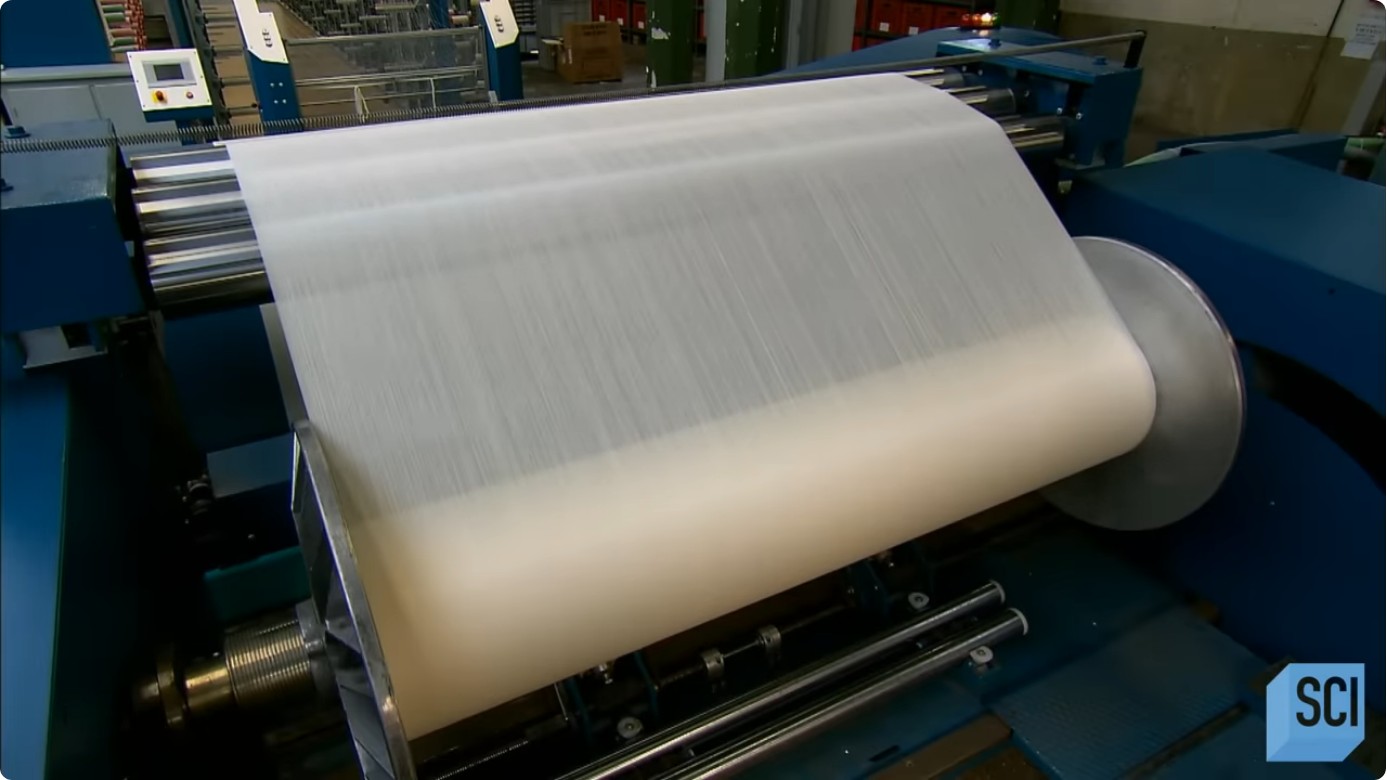
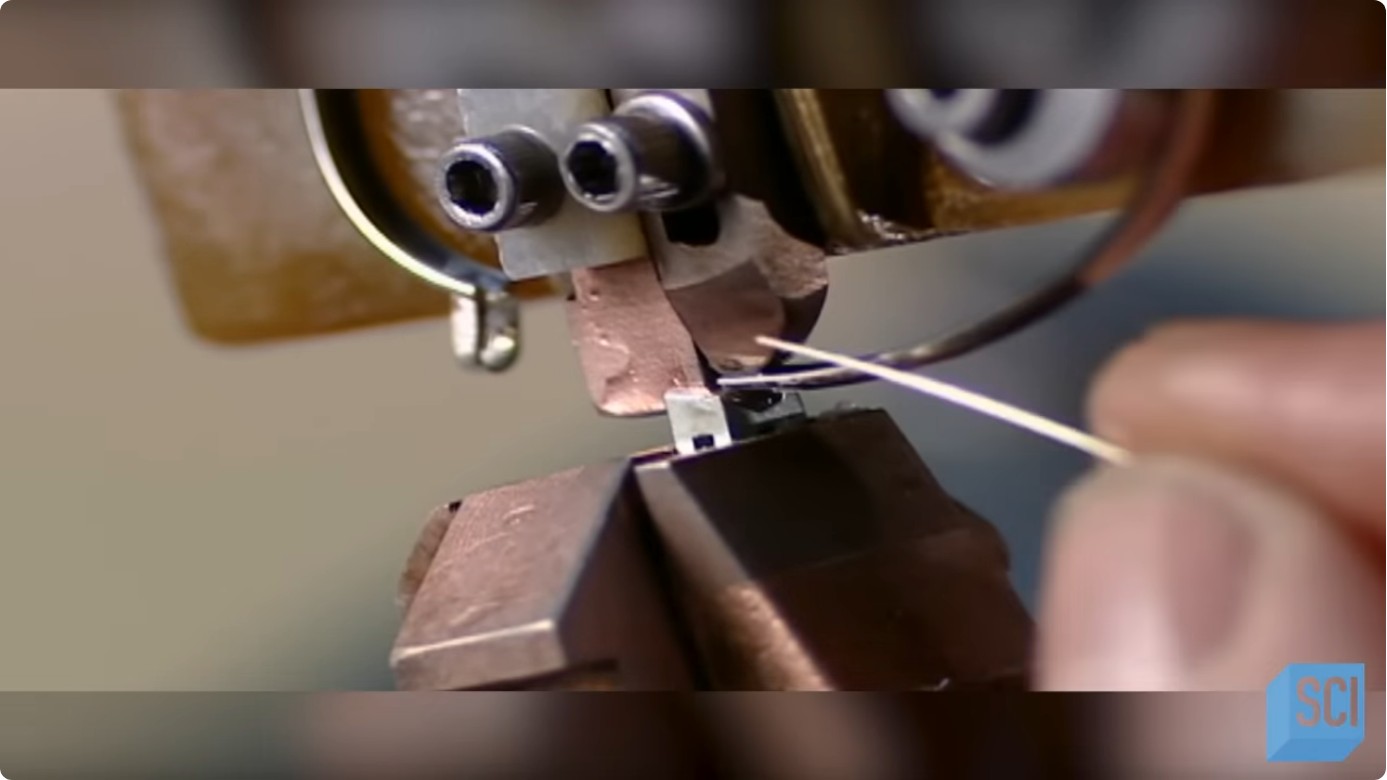
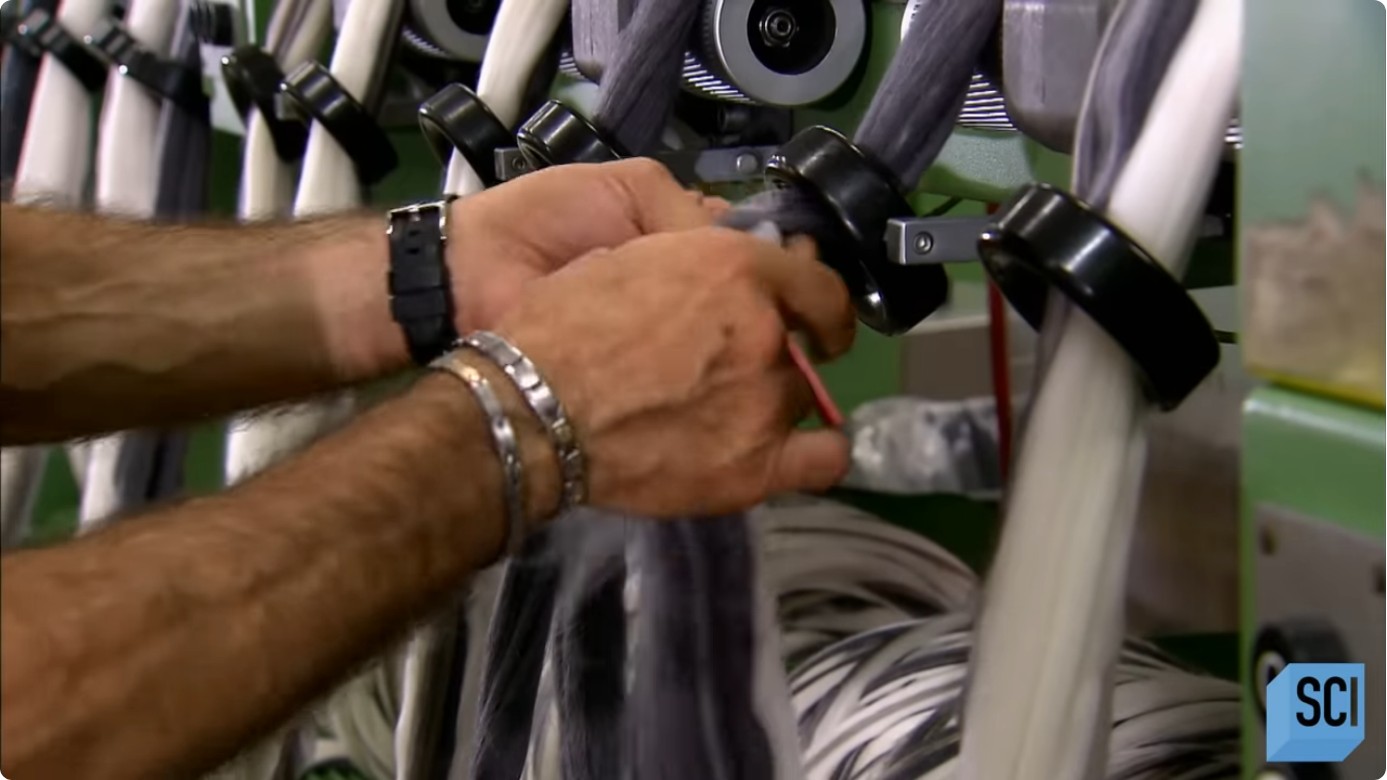
To understand slub knit, you must first understand slub yarn. A slub yarn is produced on a spinning machine (ring-spinning or open-end) where the draft (the amount of fiber pulled into the yarn) is intentionally and periodically varied. This creates sections where more fiber is gathered (forming a thick slub) and sections where less fiber is present (forming a thin section). The frequency, length, and severity of these slubs are controlled by the machine settings and can range from subtle, occasional bumps to dramatic, rope-like textures.
Once this slub yarn is created, it is fed into a knitting machine—most commonly a circular knit machine for jersey fabrics or a flat knit machine for more structured pieces. The knitting process itself does not create the slub; it merely interloops the already-textured yarn into a fabric. The resulting fabric inherits the yarn’s unevenness, giving the entire cloth a lively, non-uniform appearance. This is distinct from fabrics where texture is added after knitting via finishing techniques like stone-washing, sanding, or chemical treatments.
It’s useful to contrast slub yarn with other specialty yarns:
Slub knit is celebrated for its organic, handcrafted look, but its physical properties differ significantly from a standard jersey knit made from the same base fiber. These differences directly impact garment design, wearability, and care.
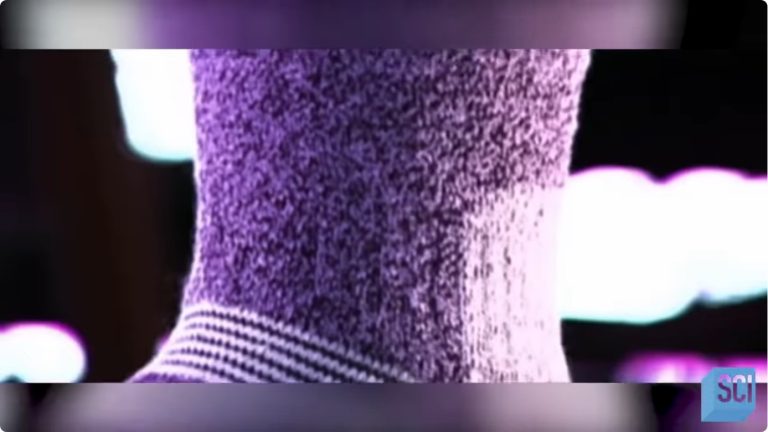
The most obvious trait is the textured surface. Light plays differently on slub knit, creating subtle highlights and shadows that add depth to solid colors. This can make a simple garment appear more sophisticated and less prone to looking cheap or overly basic. Tactilely, the fabric feels deliberately uneven, which many associate with natural, rustic, or artisanal quality. The intensity of this texture is a spectrum: a fine slub cotton might have barely perceptible variations, while a heavy linen slub can feel quite pronounced.
The alternating thick and thin sections affect how the fabric moves and falls. Generally, slub knits have a slightly stiffer, more substantial drape compared to a smooth yarn of the same fiber content. The thick slubs act like tiny anchors, resisting fluidity. This can be desirable for structured tops or dresses that need to hold a shape, but it may be less ideal for flowing, draped silhouettes. The fabric ‘hand’ (feel) is often described as ‘interesting’ or ‘characterful’ rather than ‘silky’ or ‘soft.’
This is a critical trade-off. The thin sections of a slub yarn are inherently weaker points. Under stress (like seam strain or abrasion), these thin spots can be more prone to breaking or developing holes. Furthermore, the texture creates multiple points of friction against the skin and between fabric layers, which can accelerate pilling—the formation of small, tangled balls of fiber on the surface. A tightly spun, high-quality slub yarn will mitigate this, but consumers should be advised that slub knits may require more careful handling and gentler laundering. The Textile Institute provides foundational standards for yarn and fabric testing that include pilling resistance metrics.
Since slub is most common in natural fibers like cotton and linen, its moisture-wicking properties are generally good—the texture can create micro-channels that enhance airflow. However, the exposed thin sections may feel less insulating if the slub is very severe. In synthetic blends, the performance characteristics (moisture management, quick-drying) will be dictated by the synthetic component, with the slub adding texture without drastically altering function.
Choosing a slub knit is often an aesthetic decision first, but its properties align well with specific garment categories.
| Application | Why Slub Knit Works | Considerations |
|---|---|---|
| Casual T-shirts & Tops | Adds visual interest to basics, disguises minor wrinkles, provides a relaxed, ‘lived-in’ feel. | Check slub severity; very heavy slub can feel rough against skin. Pre-washed fabrics are more stable. |
| Lightweight Sweaters & Cardigans | Creates a cozy, textural depth that flat knits lack. Works well with wool or cotton blends. | Seam durability is key; use reinforced stitching at stress points (shoulders, armholes). |
| Dresses & Skirts | Provides structure and body, reducing cling. The texture elevates simple silhouettes. | Drape must match the pattern design. A-line shapes often work better than bias-cut slips. |
| Home Textiles (Curtains, Pillows) | Hides soil and stains better than smooth fabrics. Adds tactile warmth to a room. | For curtains, consider weight and opacity; slub linens can be sheer. Test for sunlight fading. |
For performance apparel, slub is less common but appears in textured polyester knits used for activewear where a fashion-forward look is desired alongside moisture-wicking. Here, the synthetic base ensures durability and quick-drying, while the slub texture provides a technical aesthetic. However, for high-intensity sports, a smooth, engineered mesh is almost always superior for chafe reduction and aerodynamics.
If you are purchasing slub knit fabric wholesale—whether as a fashion designer, a small business owner, or a quilter—clear communication with suppliers is essential. The term “slub” alone is insufficient; you must specify the characteristics that matter for your end use.
When requesting samples or placing an order, ask for:
A reliable supplier will have this data from their production batch. For large orders, insist on a pre-production sample that matches the final fabric in all these specs. Variation between batches can be significant if the mill’s slub settings are adjusted.
Slub yarns typically incur a 5-15% cost premium over equivalent smooth yarns due to the slower spinning process and potential for more yarn breakage. However, the fabric itself may not cost much more to knit. Be wary of extremely low-priced “slub” fabrics—they may use a cheap, irregular yarn that is inconsistent and weak, or they might be a faux slub (printed texture). True slub knit should have a consistent pattern of slubs, not random flaws. For high-end applications, mills in Italy, Portugal, and Japan are renowned for their refined slub effects.
The textured surface of slub knit influences how it should be cared for. The thin sections are vulnerable, and the texture can snag.
Washing: Always use a gentle cycle with cold water. A mesh laundry bag provides extra protection. Avoid harsh detergents with bleach, which can further weaken the thin spots and accentuate any uneven fading.
Drying: Air drying is strongly recommended. The agitation of a dryer can exacerbate pilling and cause slubs to abrade. If machine drying is necessary, use the lowest heat setting and remove while still slightly damp.
Ironing: Ironing can flatten the slub texture, diminishing the fabric’s primary characteristic. If ironing is essential, use a low heat setting and iron on the reverse side. A steamer is often a better option to remove wrinkles without crushing the texture.
For wholesale buyers, including clear care labels that specify “machine wash cold, gentle cycle” and “tumble dry low” (or “line dry”) is crucial for customer satisfaction and garment longevity.
Slub effects are frequently marketed as ‘natural’ or ‘eco-friendly’ because they evoke hand-spun, artisanal aesthetics. However, the environmental impact depends entirely on the base fiber and production processes. A slub knit made from conventionally grown, pesticide-intensive cotton with toxic dyes is not sustainable, regardless of its texture. Conversely, a slub knit made from GOTS-certified organic cotton or linen (a low-water, low-pesticide fiber) aligns with eco-conscious values. The slub process itself does not add significant chemical burden, but the spinning energy and potential for increased yarn waste (from breakage) are factors. Always trace the full supply chain, not just the aesthetic.
Even with a technical understanding, certain practical questions arise when working with slub knit.
The tactile richness of a slub knit is its greatest asset, but it demands thoughtful integration into a product. By understanding its construction, acknowledging its limits in durability and drape, and communicating precise needs to suppliers, you can leverage this textured fabric to create distinctive, high-quality apparel and goods.