Address
304 North Cardinal
St. Dorchester Center, MA 02124
Work Hours
Monday to Friday: 7AM - 7PM
Weekend: 10AM - 5PM
Address
304 North Cardinal
St. Dorchester Center, MA 02124
Work Hours
Monday to Friday: 7AM - 7PM
Weekend: 10AM - 5PM
If you’ve ever felt a fabric with a distinctive, puckered stripe that seems to float above the skin, you’ve encountered seersucker. It’s a material that screams “Southern summer” for its iconic use in men’s suits, but its utility extends far beyond a single fashion stereotype. Understanding what seersucker actually is—how it’s made, why it behaves the way it does, and where it truly excels—is key to deciding if it’s the right choice for your next project, whether that’s a garment, a set of curtains, or a work uniform.
The name, likely derived from the Persian phrase “shir o shakar” (meaning “milk and sugar” for its alternating smooth and rough textures), describes a specific weaving technique, not a fiber. This fundamental distinction is the first thing to grasp: seersucker is a fabric construction, not a material itself. This means it can be woven from cotton, linen, polyester, or blends, each combination dramatically altering the final product’s performance, feel, and price. This guide will dismantle the common perception of seersucker as just a preppy cloth and rebuild it as a versatile, functional textile with clear advantages and specific trade-offs.
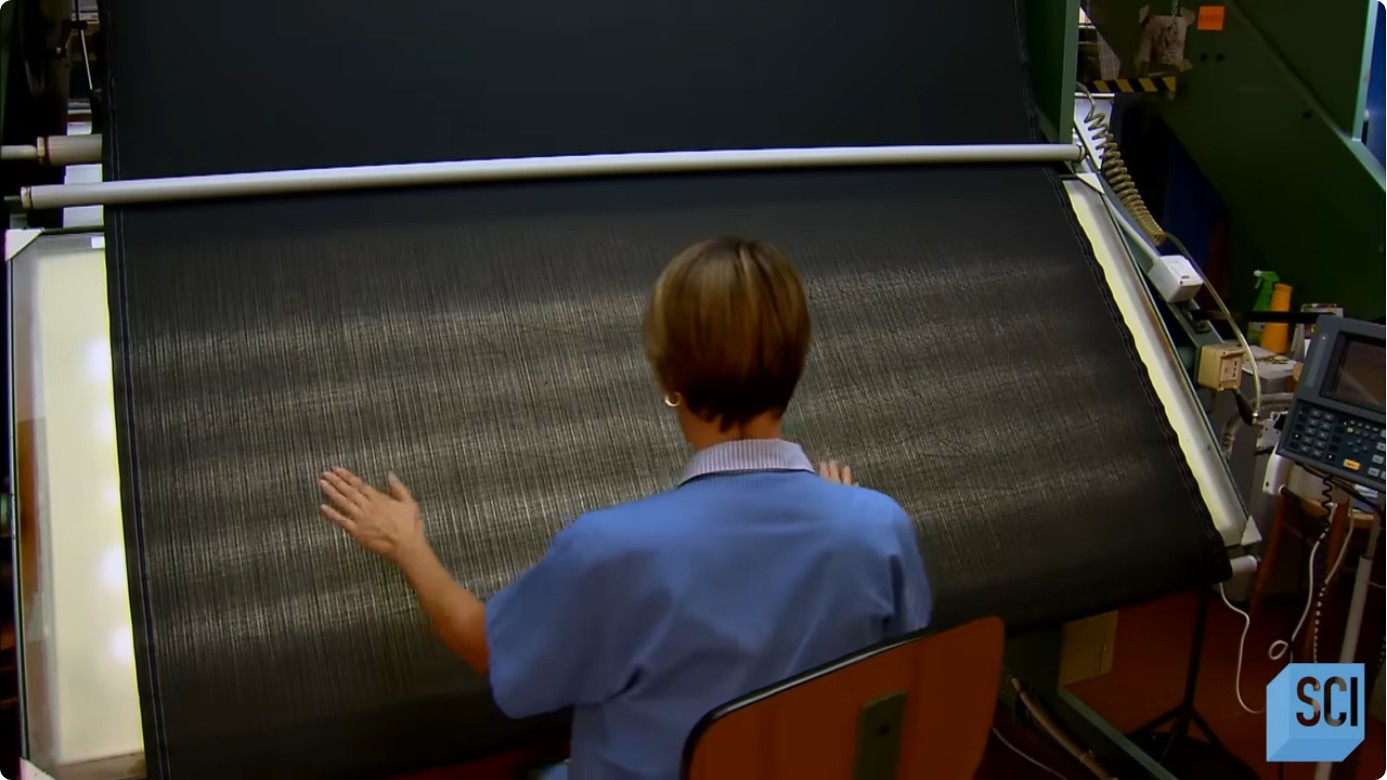
At its core, seersucker is created through a slub weave or pucker weave. During the weaving process, some warp yarns (the lengthwise threads) are intentionally tensioned more tightly than others. When the fabric is finished and washed, these tightly tensioned yarns contract less than the looser ones, creating a permanent, three-dimensional texture of raised, bumpy stripes alternating with smooth, flat stripes. This isn’t a surface treatment that can wash out; it’s built into the fabric’s DNA.
This unique texture is the source of all its celebrated properties. The raised stripes create tiny air pockets between the fabric and the wearer’s skin. These pockets act as insulation from the sun’s heat, allowing for better air circulation and a significantly cooler feel compared to a smooth, flat fabric of the same weight. It’s a passive cooling system woven directly into the cloth.
While the classic aesthetic is vertical, alternating blue and white stripes on a white base (a style popularized by Southern gentlemen and later, preppy culture), the construction is not limited to stripes. The puckering can be arranged in:
To understand if seersucker suits your needs, you must look at its core properties, which are a direct result of that puckered weave. These characteristics define its best and worst use cases.
This is seersucker’s superpower. The micro-air pockets created by the texture dramatically reduce the fabric’s contact with the skin. In hot, humid conditions, this minimizes the “sticky” feeling as sweat wicks away more easily and evaporates into the air gap. It doesn’t actively cool you like ice, but it feels markedly cooler than a pressed, dense cotton shirt. For this reason, it’s a staple for summer suiting in climates like the American South and for warm-weather uniforms.
The textured surface is inherently more forgiving of wrinkles. Minor creases and crumples are less visible because they blend into the existing texture. This makes it exceptionally travel-friendly for garments like suits and dresses. Furthermore, the alternating tension in the weave can contribute to good durability, especially in cotton-based versions, as the fabric has a degree of built-in “give.” However, this can vary widely based on the specific fiber and yarn count.
No fabric is perfect, and seersucker has clear limitations:
The choice of fiber is where performance and feel are ultimately decided. The base construction is the same, but the materials change everything.
| Property | 100% Cotton Seersucker | Cotton-Polyester Blend (e.g., 65/35) |
|---|---|---|
| Feel & Drape | Softer, more breathable natural hand. Better moisture absorption. Can feel crisper initially. | Slightly silkier or slicker feel. Less “natural” drape. Can feel warmer. |
| Wrinkle Resistance | Wrinkles less visibly due to texture, but will still crease and may need ironing for a crisp look. | Superior wrinkle resistance. The polyester component helps it spring back from folds more effectively. |
| Durability & Shrinkage | Good durability but higher shrinkage risk if not pre-shrunk. Can soften and become more comfortable with age. | Excellent durability and dimensional stability. Very low shrinkage. Holds color well. |
| Moisture Management | Absorbs moisture well (sweat), but dries more slowly. | Wicks moisture less effectively (polyester hydrophobic), but dries very quickly once wet. |
| Best For | Traditional summer suits, high-end shirting, applications where natural fiber feel is paramount. | Performance uniforms, travel clothing, budget-friendly resort wear, children’s clothing (low maintenance). |
For sourcing, the most reputable wholesale fabric suppliers will clearly list the fiber content and weave construction. Mills like Lenzing (TENCEL™) also offer seersucker constructions in their sustainable fibers, blending the classic texture with modern eco-performance.
Seersucker isn’t for every garment or every person. Use this quick checklist to determine if it aligns with your project or wardrobe needs:
Related guide: UV Protective Fabric: How It Works, What to Look For, and When You Need It
When buying seersucker fabric by the yard or a finished garment, your evaluation should go beyond the stripe pattern.
Limiting seersucker to blazers and shirt jackets is a missed opportunity. Its properties are useful in many contexts:
Seersucker endures because it solves a genuine problem: how to look presentable while staying cool in oppressive heat. Its genius is in a simple mechanical trick—a weave that holds the fabric away from the skin. The decision to use it comes down to a straightforward prioritization of that cooling, wrinkle-resistant texture over the desire for a smooth, sleek drape or maximum warmth. By paying close attention to fiber content and fabric weight, and by understanding its inherent trade-offs, you can leverage this classic construction for surprisingly modern and practical applications.
Is seersucker only for summer?
Primarily, yes. Its cooling properties are designed for heat. Some heavier wool or linen blends exist for transitional weather, but it’s overwhelmingly a warm-weather fabric.
Can I iron seersucker?
You can, but it’s often unnecessary. A quick steam from a shower or a garment steamer is usually sufficient to refresh it. If you must iron, use a medium heat setting and iron on the reverse side to protect the texture. A pressing cloth is recommended.
Does seersucker shrink a lot?
100% cotton seersucker can shrink considerably if not pre-shrunk. Always wash in cold water and tumble dry on low heat or line dry to minimize shrinkage. Blends with polyester are far more stable.
How do I style a seersucker suit for a modern look?
Pair it with a fine-knit polo or a turtleneck instead of a traditional dress shirt. Opt for minimalist accessories. Consider a seersucker blazer with tailored chinos or even dark-wash jeans for a more casual, contemporary vibe. The key is to let the texture be the statement and keep everything else clean and simple.
Is seersucker sustainable?
It depends entirely on the fiber. Organic cotton or TENCEL™ seersucker has a better environmental profile than conventional cotton or virgin polyester. The durability and timeless style of a well-made seersucker garment also contribute to sustainability by reducing the need for frequent replacement.