Address
304 North Cardinal
St. Dorchester Center, MA 02124
Work Hours
Monday to Friday: 7AM - 7PM
Weekend: 10AM - 5PM
Address
304 North Cardinal
St. Dorchester Center, MA 02124
Work Hours
Monday to Friday: 7AM - 7PM
Weekend: 10AM - 5PM
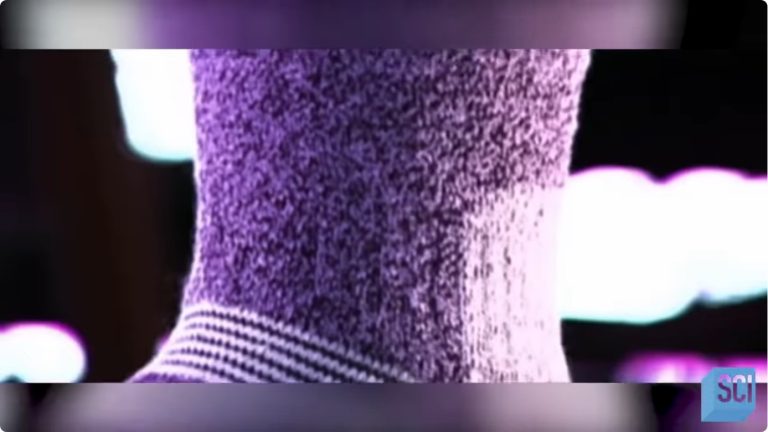
When you run your fingers over a linen fabric and feel a deliberate, nubby texture—a series of tiny, irregular bumps and slubs—you’re experiencing one of the most distinctive characteristics in natural textiles. This isn’t a flaw; it’s a designed feature called slub. But what is slub linen, exactly, and how does it differ from standard, smooth linen? The answer lies in the yarn itself, not the final weave. Slub linen is created from yarn that contains intentional thick and thin sections, producing a fabric with a lively, textured surface and a rustic, organic aesthetic. This article breaks down the mechanics of slub, its origins, its practical properties, and how to determine if it’s the right choice for your project or wardrobe.
Understanding slub is key to evaluating linen quality and style. It affects everything from a fabric’s hand and drape to its durability and care needs. We’ll explore whether slub is a natural byproduct of traditional linen spinning or a modern engineered effect, and what that means for the garment or textile you’re considering.
At its core, a slub is a thickened section in a yarn where fibers have clustered together. In the context of linen, which is spun from bast fibers of the flax plant, slubs can occur in two fundamentally different ways.
Also read: The Complete Guide to Heavy Cotton Fabric: From Denim to Canvas
Historically, true slub linen comes from a specific, low-twist spinning method. Flax fibers are naturally varying in length and fineness. When these fibers are carded and spun with minimal twist to create a soft, lofty yarn (often called “woolen-spun” in wool, but analogous in linen), the shorter fibers and natural thick spots don’t get pulled completely straight. They remain as subtle, soft bumps in the finished yarn. This process is less efficient and yields a slightly weaker yarn, but it produces the celebrated soft hand and irregular, organic texture prized in high-end, artisanal linens. The slubs are typically small, widely spaced, and feel integrated into the yarn’s structure.
Most slub linen available today, especially at mid-range price points, achieves its texture through engineered means. This is done by intentionally:
This method allows for precise control over the slub’s appearance—creating bold, dramatic nubs that are perfectly spaced and uniform in size. While it mimics the look of natural slub, the texture can feel more pronounced and sometimes less integrated, potentially creating slight abrasion points.
| Feature | Natural Slub (Low-Twist Spun) | Artificial/Engineered Slub |
|---|---|---|
| Origin | Byproduct of using heterogeneous flax fibers with minimal twist. | Deliberately created via machine settings or fiber feed variation. |
| Slub Appearance | Small, irregular, organic, and randomly distributed. | Can be uniform, predictable, and sometimes bold or dramatic. |
| Fabric Hand (Feel) | Softer, loftier, and more supple; slubs feel part of the yarn. | Can be slightly coarser; pronounced slubs may feel like distinct bumps. |
| Durability | Generally lower due to low twist; more prone to pilling and wear in high-friction areas. | Varies; high-twist engineered slubs can be quite durable, but thick spots can be weak points. |
| Cost & Production | Lower yield, slower process; often artisanal, higher cost. | Efficient for modern mills; typically more affordable. |
| Aesthetic | Subtle, refined, heirloom quality. | Textured, decorative, can range from subtle to bold. |
The slub effect imparts specific qualities to the final fabric, both beneficial and requiring consideration.
Slub linen’s aesthetic drives its use, but its properties must match the application.
Opt for a standard, high-twist, smooth linen yarn fabric when you need:
Before purchasing, especially online, consider these points:
Slub linen is a celebration of texture and a move away from industrial perfection. Its charm lies in its imperfection and natural variation. If you value a soft, organic hand, a fabric with personality, and a relaxed aesthetic, slub linen is an excellent choice. It embodies the “wabi-sabi” appreciation for the imperfect.
However, you must accept its inherent trade-offs: a potential for quicker surface wear and a less crisp, tailored silhouette. It is a fabric for garments and items that are cherished for their feel and look, rather than for maximum hard-wearing durability. When sourcing, ask suppliers specifically about the spinning method (natural vs. engineered) and the yarn twist, as these are the best indicators of the fabric’s long-term performance and hand. By understanding what creates the slub, you can make an informed decision and select a linen that perfectly aligns with your project’s functional and aesthetic goals.
You may also like: Printing on Polyester Fabric: A Practical Guide to Methods, Materials, and Results