Address
304 North Cardinal
St. Dorchester Center, MA 02124
Work Hours
Monday to Friday: 7AM - 7PM
Weekend: 10AM - 5PM
Address
304 North Cardinal
St. Dorchester Center, MA 02124
Work Hours
Monday to Friday: 7AM - 7PM
Weekend: 10AM - 5PM
Purchasing terry cloth fabric by the yard is a fundamental step for anyone moving beyond retail towel purchases into the world of DIY, small-scale manufacturing, or professional upholstery. Unlike buying a finished bath towel, sourcing the raw material gives you control over weight, composition, color, and finish. However, the terminology and specifications can be daunting. This guide cuts through the jargon to explain exactly what you’re buying, how to evaluate it, and where to find reliable sources, ensuring your project—whether it’s a set of plush robes, absorbent kitchen towels, or durable gym bag lining—turns out as intended.
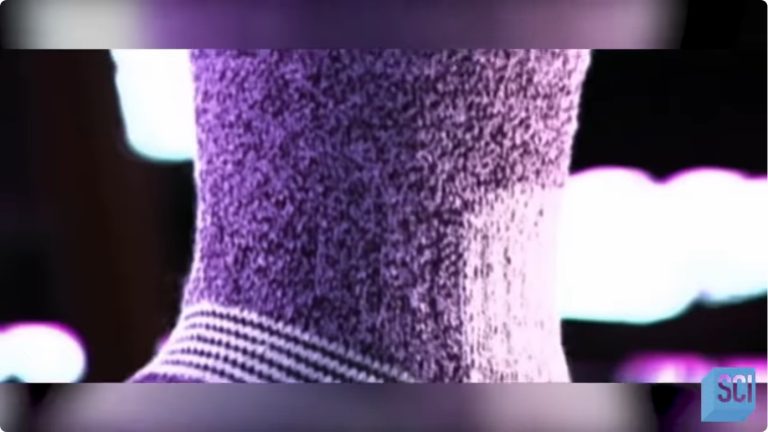
At its core, terry cloth is a woven fabric characterized by loops of yarn on one or both sides. These loops are what create the signature plush surface and exceptional absorbency. The base fabric is typically a plain weave, but it’s the specialized weaving process that pulls the weft (filling) yarns over wires to form the loops before cutting the wire away. The side with loops is the “terry” side; if both sides have loops, it’s “double-sided” or “French terry” (though French terry often has shorter, tighter loops). The looped side provides bulk and softness, while the reverse may show the base weave.
It’s critical to distinguish terry from French Terry and velour. French terry has very short, dense loops on one side and a smooth, flat back, giving it a soft, pebbled feel ideal for loungewear. Velour is a cut-pile fabric, where the loops are sliced to create a uniform, plush surface like velvet. True terry retains the loop structure, which is more durable and better for maximum absorbency.
When shopping for terry by the yard, four specifications are your north star. Ignoring them is the primary reason projects fail to meet expectations.
This is the single most important metric. GSM measures fabric weight and density. It directly correlates to thickness, absorbency, and durability.
The loop structure is created by the weft yarn. The fiber of this yarn dictates performance.
Ask about the “pile height.” Longer loops (often on the back of the fabric) are plusher and more absorbent but less durable and more prone to snagging. Shorter, tighter loops are more durable and have a neater appearance. For items that will see heavy use and washing (like a child’s hooded towel), a shorter, dense loop is better.
Fabric is sold by the linear yard, but its width varies. Standard widths are 58-60″ or 72″. A wider fabric means fewer seams for large items like robes or beach blankets. Check the selvage (the finished edge). A tight, clean selvage indicates better manufacturing quality and less fraying during your project prep.
Your source depends entirely on quantity and quality needs. The landscape ranges from big-box craft stores to specialized mills.
| Source Type | Typical GSM/Fiber Range | Min. Order | Best For | Caveats |
|---|---|---|---|---|
| Big-Box Craft Stores (Joann, Michaels) | Low-Medium GSM (250-400), often 100% cotton or blends | 1 yard | Small projects, sampling, beginners | Limited selection, higher per-yard cost, quality can be inconsistent. |
| Online Fabric Retailers (Fabric.com, Mood) | Wider range (200-600 GSM), more fiber options | 1 yard | Better selection for specific colors/weights, medium projects | Shipping costs add up; you cannot feel the fabric beforehand. |
| Wholesale/Distributor (Online Textile Mills) | Full commercial range (300-800+ GSM), industrial quality | Often 10-50 yard bolts | Small businesses, serious makers, consistent quality | Requires more commitment; less “fun” print selection. |
| Direct from Mill (B2B) | Customizable, highest/consistent quality | 1000+ yards typically | Production runs, branded products | High minimums, requires business credentials, longer lead times. |
Pro Tip: Always request a fabric swatch before committing to a large purchase. Feel it, wash it, and test its drape and absorbency on your intended project.
Natural fiber terry, especially 100% cotton, will shrink. You must pre-wash your fabric before cutting and sewing if the final product requires precise sizing (like a fitted robe). Use the hottest water and dryer heat you anticipate the finished item will see. This pre-shrinking can cause severe puckering on the looped side if not accounted for. For blended fabrics, shrinkage is less dramatic but still present.
Care for finished terry items is straightforward: machine wash in warm water, tumble dry on medium heat. Avoid fabric softeners—they coat the fibers, drastically reducing absorbency. For towels, a occasional wash with 1/2 cup of white vinegar restores absorbency by stripping residue.
Before you click “buy,” run through this list.
The biggest mistake is buying based on GSM alone from an online listing without a swatch. A “450 GSM” cotton terry from one supplier can feel and look vastly different from another due to yarn quality, loop tension, and finishing. Another error is using terry in a structural way (like a bag strap) without reinforcing the seams; the looped pile can tear out under stress. Always stitch within the base weave on the non-terry side whenever possible, and use a heavy-duty thread and a walking foot for even feeding.
Be wary of incredibly cheap terry. It may have a low GSM than stated, be made from short-staple cotton that pills aggressively, or have an uneven loop formation. If a price seems too good to be true for a high GSM, 100% ringspun cotton, it probably is.
Can I use terry cloth for clothing beyond robes?
Absolutely. It’s common in pajama sets, shorts, and skirts. For apparel, you’ll want a medium GSM (350-450) and a softer, ringspun cotton. French terry is particularly popular for casual wear due to its neat appearance and good drape.
What’s the difference between ‘terry velour’ and regular terry?
“Terry velour” usually means the loops have been lightly sheared or napped to create a softer, less nubby surface while retaining some loop texture. It’s a midpoint between terry and velour, offering more softness but slightly less absorbency than a long-loop terry.
Is there a “right” side?
For single-sided terry, the looped side is considered the face. However, for items like towels, you may want to use the smoother reverse side for embroidery or appliqué to avoid catching threads. For double-sided terry, both sides are functional, but one may have denser loops.
How do I match terry cloth to a standard towel test method?
Professionals might refer to ASTM D5801 for towel water absorbency. For DIY, a simple test is: weigh a dry 5″x5″ swatch, soak it for 30 seconds, gently squeeze out excess water (don’t wring), and weigh again. The weight gain is a practical absorbency indicator. Compare swatches side-by-side.
What lining is best for a terry bathrobe?
For unlined robes, the terry itself is the lining. For a more structured, warmer robe, a lightweight cotton flannel or a breathable polyester fleece works well. Avoid slippery linings like acetate; they don’t breathe and can feel clammy against the skin.