Address
304 North Cardinal
St. Dorchester Center, MA 02124
Work Hours
Monday to Friday: 7AM - 7PM
Weekend: 10AM - 5PM
Address
304 North Cardinal
St. Dorchester Center, MA 02124
Work Hours
Monday to Friday: 7AM - 7PM
Weekend: 10AM - 5PM
Star patterns have a timeless and versatile appeal in fashion and home decor, evoking everything from celestial wonder and playful childhood motifs to bold graphic statements and patriotic symbolism. But when you specify or shop for a “fabric with stars,” you’re not dealing with a single material. The phrase describes a vast category defined primarily by its decorative technique, not its base fiber. Understanding how those stars are applied—whether printed, woven, or embellished—is crucial for predicting a fabric’s performance, cost, durability, and ultimate suitability for your project. This guide cuts through the ambiguity, breaking down the production methods, material choices, and key trade-offs you need to make an informed decision, whether you’re a small-batch maker, a brand developer, or a DIY enthusiast.
At its core, a star-patterned fabric is a canvas with a motif. That canvas can be anything from a delicate silk charmeuse to a rugged cotton canvas, and from a moisture-wicking polyester performance knit to an organic linen weave. The stars themselves can be tiny and subtle or large and graphic, uniform or scattered randomly. The method used to create the pattern fundamentally alters the fabric’s hand (feel), lifespan, and care requirements. Choosing incorrectly can lead to cracked prints, fading, or a final product that feels stiff or cheap, regardless of the quality of the underlying fiber.
This article will serve as your roadmap. We’ll explore the primary techniques for adding stars to textiles, match them to ideal use cases, and highlight the critical questions to ask suppliers or manufacturers. By the end, you’ll be equipped to select a star fabric that not only looks right but performs correctly for its intended life, balancing aesthetics with practicality.
The visual effect of stars is achieved through three main technological approaches, each with distinct characteristics. Think of it as the difference between a tattoo (printed), a woven-in design (like a sweater’s pattern), and an attached accessory (embellishment).
This is the most common and cost-effective method for complex, multi-color star designs, especially on cotton and polyester. Ink is applied to the surface of a pre-woven fabric.
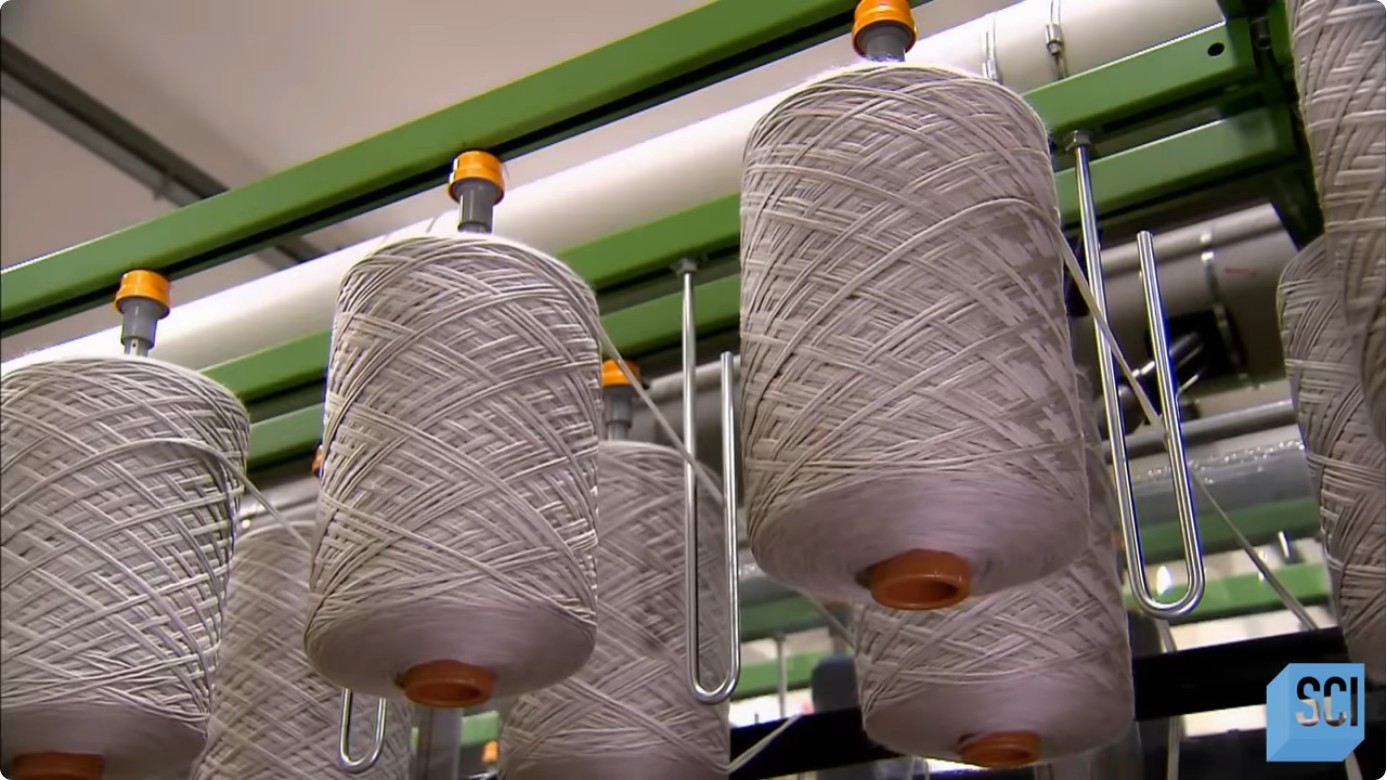
Key Consideration: Printed designs are susceptible to cracking, peeling, and fading, particularly with abrasion (like on knees or elbows) or aggressive washing. Durability is highly dependent on the quality of the ink, the curing process, and the base fabric’s stability.
Here, the star pattern is an integral part of the fabric’s structure, created during the weaving process on a jacquard loom. The stars are formed by the intentional raising and lowering of warp and weft threads.
This method produces a fabric where the design is reversible (often showing a subtle pattern on the back) and will never crack or fade from wear. The stars have a slight texture and may have a subtle sheen depending on the yarns used (e.g., metallic threads woven in). This is common in high-end shirting, formal wear, and home textiles like upholstery or drapery. The design is permanent and part of the fabric’s DNA.
Key Consideration: Woven patterns are significantly more expensive to produce due to slower loom speeds and complex programming. They are also limited in color complexity compared to printing. The pattern is fixed and cannot be changed without creating an entirely new fabric.
Stars are added as separate elements after the base fabric is made. This includes:
These methods offer incredible dimensional texture and a luxurious, handcrafted feel. They are prevalent in haute couture, statement costumes, and decorative items.
Key Consideration: Embellishment is the most labor-intensive (and costly) method. It can reduce the fabric’s drape and add significant weight. Care is delicate; hand washing is usually required, and snagging is a risk. The back of the fabric will show the threads or attachments.
Your project’s end-use is the single most important filter. Use this table to align your star fabric technique with functional requirements.
| Primary Application | Recommended Star Technique | Why & Key Material Pairings | Critical Caveats |
|---|---|---|---|
| Children’s Clothing / Playwear | Digital or Rotary Print | Allows for fun, colorful, detailed designs. Pair with soft, breathable cotton jersey or circular knit polyester for comfort. Look for prints certified to CPSC children’s product safety standards (low重金属, phthalates). | Durability is a secondary concern to softness and safety. Expect prints to wear faster. Frequent washing in hot water will degrade prints quickly. |
| Casual Apparel (T-shirts, dresses, shirts) | Digital Print on premium knits/weaves or Woven-In for shirting. | Digital print offers design freedom on modal, rayon, or high-thread-count cotton. Woven stars (jacquard) on cotton-poplin or linen blend provide a refined, lasting look. | For prints, test for “cracking” at stress points. For woven, expect a higher price point and less fluid drape than a printed equivalent. |
| Performance & Activewear | Sublimation Printing or Dye-Sublimation on polyester. | Sublimation turns dye into gas that bonds with synthetic fibers, creating a print that cannot be felt and is extremely durable. Polyester tricot, mesh, or performance knits are the required base. Perfect for moisture-wicking stars that won’t inhibit breathability. | 100% polyester (or high-poly blend) is mandatory. Will not work on natural fibers. Design must be planned for white or light-colored fabric, as sublimation is a dyeing process, not an opaque print. |
| Home Textiles (Upholstery, Curtains) | Woven-In or Heavy-Duty Print. | Woven stars on canvas, denim, or jacquard offer supreme longevity for high-friction areas. For prints, use fabrics with a high Martindale or Wyzenbeek rub test rating (e.g., 30,000+ cycles for commercial use). | Prints on upholstery can rub off on clothing. Woven patterns may be more expensive but are a long-term investment. Consider lightfastness (UV resistance) for curtains. |
| Statement/Evening Wear & Costume | Embellishment (sequins, beads, embroidery). | Creates drama, texture, and sparkle. Use on stable bases like satin, tulle, or heavy crepe. Can combine with a subtle printed base for depth. | Adds significant weight and can compromise fabric drape. Extremely delicate care required (hand wash, dry clean). Labor cost is very high. |
Don’t fall for the “star” pattern distraction. The base fabric’s fiber content and construction determine 70% of the final product’s performance. A beautiful star print on a poorly constructed, low-quality knit will still be a bad garment.
Performance Pairings:
Whether buying fabric by the yard from a retailer or ordering a custom run from a mill, ask these questions. A checklist format ensures you don’t overlook critical details.
Selecting a star fabric is an exercise in balance. The most durable option (woven-in) may lack the graphic complexity you desire. The most flexible and detailed option (digital print) may have a shorter functional lifespan. The most dazzling (embellished) is also the most fragile and expensive.
Your decision hierarchy should be:
For most apparel applications, a high-quality digital print on a stable, mid-weight knit or woven blend offers the best balance of design freedom, reasonable cost, and acceptable durability. For heirloom home goods or luxury apparel, the investment in a woven jacquard is justified. And for a single-use or high-impact event costume, embellishment delivers unmatched visual impact.
Can I wash a star-printed fabric without ruining it?
Yes, but carefully. Turn garments inside out. Use cold water on a gentle cycle with mild detergent. Avoid chlorine bleach. Tumble dry low or, best practice, line dry. High heat is the enemy of most prints, accelerating cracking. For embellished items, hand washing is non-negotiable.
Are “star” fabrics sustainable?
Sustainability depends entirely on the base fiber and the ink/process. A star print on organic cotton with low-impact water-based inks can be very sustainable. A star print on virgin polyester with petroleum-based inks is less so. The star pattern itself adds negligible environmental load; the focus must be on the foundational textile chemistry. Look for certifications like GOTS (for organic), GRS (for recycled), and OEKO-TEX® (for harmful substances).
Why do some star prints feel stiff or plasticky?
This is typically due to the use of plastisol inks (common in screen printing) or over-application of pigment. These inks sit on top of the fabric as a plastic-like film. For a softer hand, seek out water-based pigments or, in the case of synthetic fabrics, dye-sublimation which bonds the dye *into* the fiber.
Can I get a custom star pattern on a performance fabric?
Absolutely, but you must specify “dye-sublimation on polyester.” You cannot use traditional screen printing on most performance knits without affecting moisture-wicking properties or stretching the print. Work with a printer who specializes in sportswear. Provide them with your exact fabric specification first.
The perfect star fabric exists, but finding it requires clear-eyed assessment of technique, material, and use. By moving beyond the motif and asking the right technical questions, you ensure your celestial design shines for all the right reasons—lasting beauty and impeccable performance.