Address
304 North Cardinal
St. Dorchester Center, MA 02124
Work Hours
Monday to Friday: 7AM - 7PM
Weekend: 10AM - 5PM
Address
304 North Cardinal
St. Dorchester Center, MA 02124
Work Hours
Monday to Friday: 7AM - 7PM
Weekend: 10AM - 5PM
When selecting materials for performance apparel, accessories, or upholstery, the term “synthetic leather” often points toward two primary families: polyvinyl chloride (PVC) and polyurethane (PU). Within this landscape, the specific process of polyurethane leather coating distinguishes a high-performance subset of materials. This guide cuts through the marketing to explain what a polyurethane leather coating actually is, how it differs from other synthetic leathers, where it excels in apparel, and what critical factors you must consider before specifying it for a project.
Unlike a solid PVC film, a PU coating is a flexible, breathable polymer applied as a thin layer to a fabric substrate—most commonly a woven or non-woven polyester or cotton. This application method, whether via wet or dry processing, is fundamental to the material’s performance profile. Understanding this distinction is the first step in determining if a PU-coated fabric is the right choice for your specific need, whether it’s a durable workwear jacket, a fashionable tote, or a technical outdoor garment.
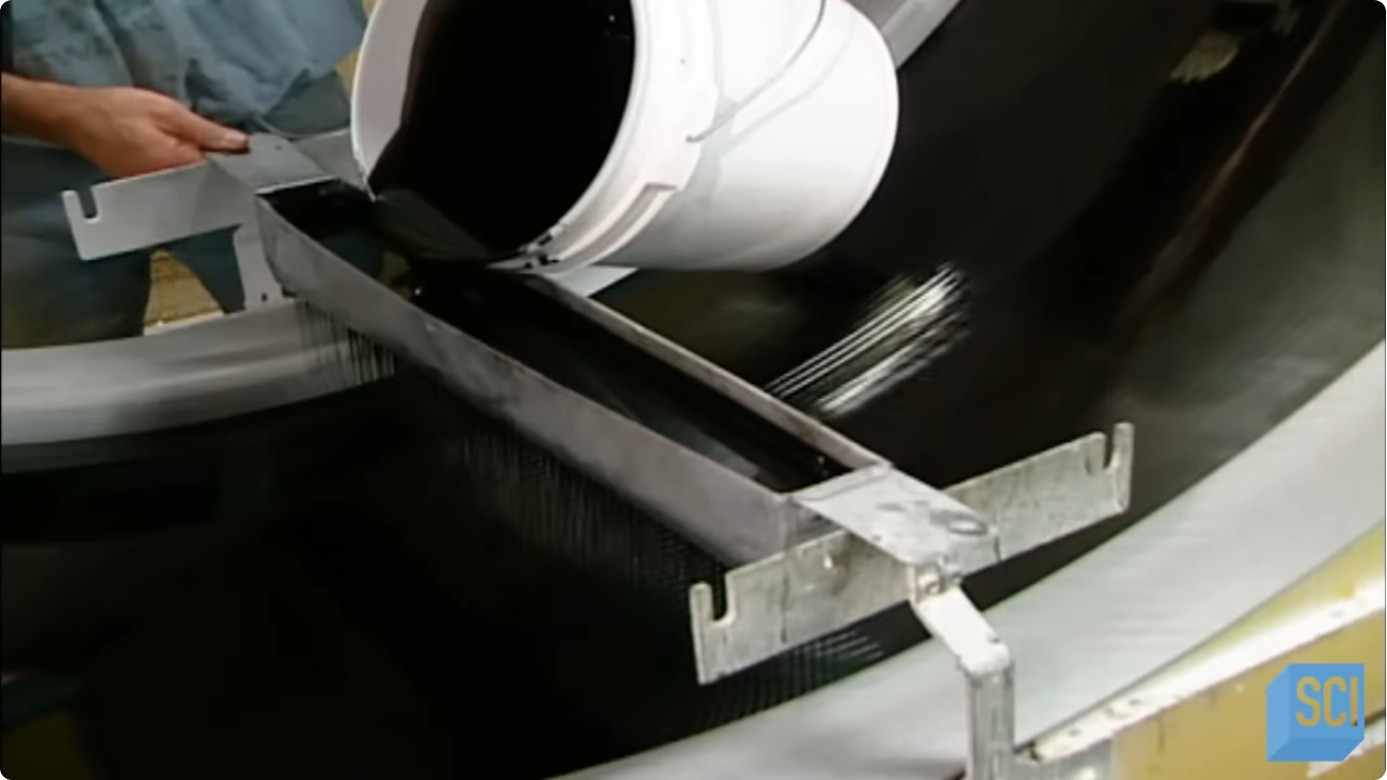
The key to understanding PU leather lies in the application. A polyurethane leather coating is not a monolithic sheet but a polymer resin that is engineered, processed, and bonded to a textile base. The coating can be formulated to be incredibly thin (often 0.1-0.3mm) or built up in layers for added durability. This is in contrast to PVC leather, which is typically a thicker, plastisol-based coating that is less flexible and significantly less breathable.
The coating process imparts specific characteristics:
While the end product may look similar, the manufacturing method significantly influences cost, performance, and environmental footprint.
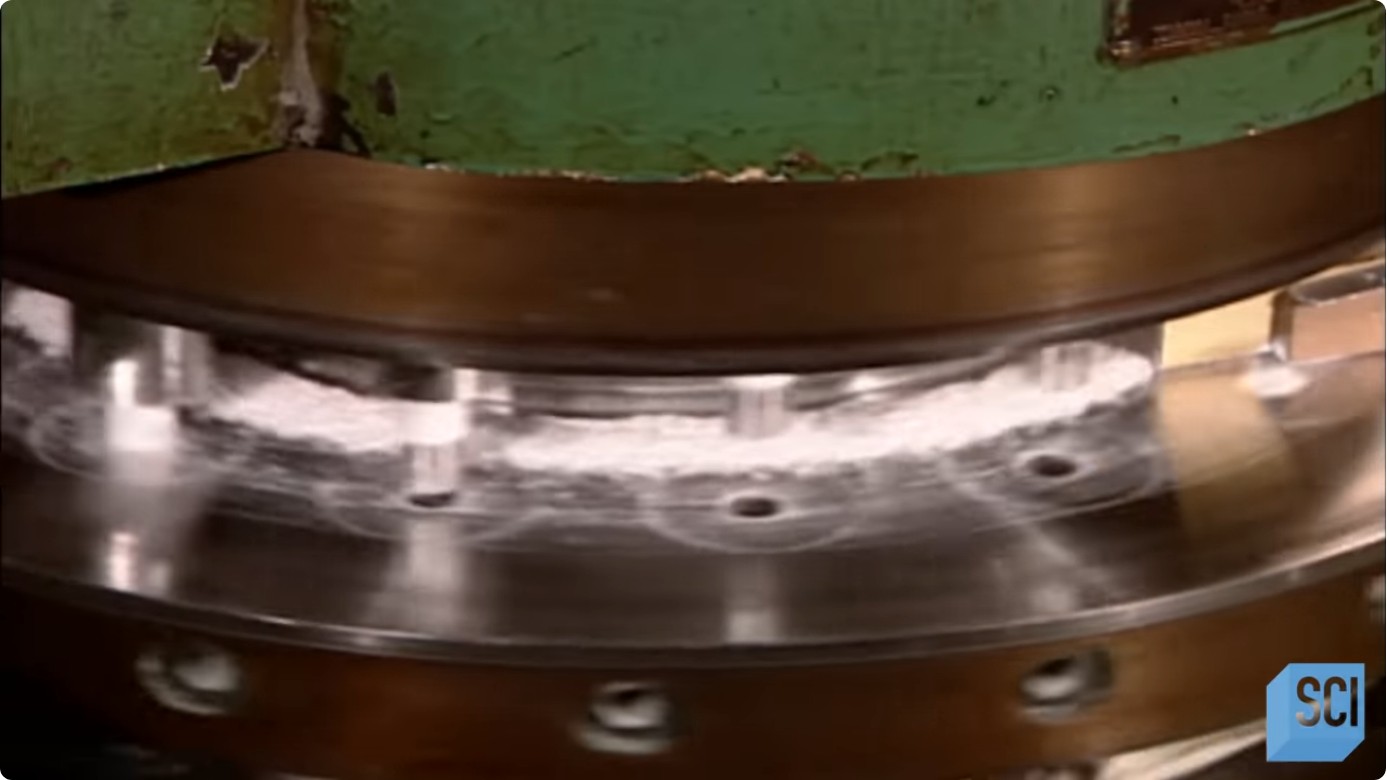
For apparel specifiers, the wet-coated product is far more prevalent due to its superior softness and drape. The dry-coated variant is often found in heavier-duty upholstery or industrial applications.
Confusion in the market is common. A simple comparison clarifies the decision space.
| Feature | Polyurethane (PU) Coated Fabric | Polyvinyl Chloride (PVC) Coated Fabric | Bonded Leather (Reconstituted) |
|---|---|---|---|
| Base Material | Fabric (polyester, cotton, etc.) | Fabric (typically polyester) | Leather fibers + binder (often PU or latex) on fabric backing |
| Breathability | High. Microporous film allows vapor transmission. | Very Low to None. Impermeable plastic barrier. | Low to Moderate. Depends on the binder and density. |
| Flexibility & Drape | Excellent. Mimics natural leather’s suppleness. | Stiff, plastic-like. Poor drape. | Variable. Can be stiff or flexible, but often lacks the hand of top-grain leather. |
| Environmental & Health | Generally better. No chlorine. Some solvent-based processes use VOCs; water-based PU is growing. | Problematic. Contains plasticizers (phthalates) and chlorine. Can off-gas HCl when burned. Difficult to recycle. | Mixed. Uses less raw material than full-grain but binder chemistry varies. Not biodegradable. |
| Durability (Abrasion/Scuff) | Very Good to Excellent. Resists scuffing but can be cut/punctured. | Excellent. Highly abrasion-resistant and tough. | Fair to Good. Surface can wear through to the backing. |
| Typical Apparel Use | Fashion outerwear, bags, gloves, mid-range footwear uppers. | Heavy-duty workwear, waterproof covers, tactical gear, inexpensive accessories. | Low-cost handbags, belts, furniture. |
This table highlights why PU coating is the go-to for apparel where comfort (breathability) and aesthetics (hand, drape) are primary concerns. PVC dominates where absolute weatherproofing and extreme abrasion resistance are the only priorities, accepting the comfort trade-off.
Not all PU coatings are created equal. Specifying the right material requires looking beyond the generic label. Here are the decisive factors:
This is the single most important technical consideration you may not be asked about. Hydrolysis is the chemical breakdown of the polyurethane polymer by water, especially under heat and humidity. It manifests as the coating becoming stiff, cracking, flaking, or delaminating from the fabric. This is a common failure mode for poorly formulated PU leather in warm, wet climates or in applications like rainwear where the material is constantly damp.
What to do: Always ask the supplier for the coating’s hydrolysis resistance rating, typically measured in accelerated aging tests (e.g., weeks at 70°C/95% RH). For any product intended for humid environments or repeated wet use, demand a rating of at least 4-5 weeks. Reputable technical suppliers will have this data.
This measures how many cycles the surface can withstand before showing wear. The required cycles depend entirely on the end use. A fashion handbag might need 5,000 cycles, while a workwear knee pad panel might require 30,000+.
What to do: Request the specific abrasion test method and cycle count. Understand that a higher number usually correlates with a thicker, potentially stiffer coating. Balance abrasion needs with the desired hand and drape.
PU coatings can vary wildly in their ability to retain color when exposed to perspiration, rubbing (crocking), and light (fading). For colored apparel, especially in darker or vibrant hues, this is crucial.
What to do: Specify tests like ISO 105-B02 (lightfastness) and ISO 105-X12 (rub fastness). Grade requirements should be part of your spec sheet.
Where does this material truly shine? Its blend of aesthetics and function opens specific doors:
A key scenario: Designing a versatile commuter jacket. A PU-coated polyester might be ideal—it provides wind and light rain resistance, a clean aesthetic, and enough breathability for urban cycling or walking. The same material in a heavy PVC coating would be too hot and stiff for this all-day, variable-activity use.
Vetting a PU leather supplier requires a technical, not just commercial, conversation. Use this checklist:
No material is perfect. Acknowledging these limits upfront prevents costly redesigns:
Choosing a polyurethane leather coating is an exercise in balancing competing demands. Ask yourself this sequence:
The polyurethane leather coating is a sophisticated textile component that, when correctly specified, delivers a unique combination of leather-like aesthetics, functional performance, and economic viability for apparel. Its success hinges not on the generic label but on a detailed understanding of the specific formulation, substrate, and manufacturing process behind it. Treat it as a engineered system, not a commodity, and it will reliably solve the design problem at hand.