Address
304 North Cardinal
St. Dorchester Center, MA 02124
Work Hours
Monday to Friday: 7AM - 7PM
Weekend: 10AM - 5PM
Address
304 North Cardinal
St. Dorchester Center, MA 02124
Work Hours
Monday to Friday: 7AM - 7PM
Weekend: 10AM - 5PM
If you’ve ever shopped for activewear, swimwear, or fitted clothing, you’ve encountered fabrics with remarkable stretch and recovery. The names “Lycra” and “spandex” are often used interchangeably, but understanding the distinction—and the material science behind it—is crucial for designers, buyers, and anyone serious about apparel. This guide cuts through the branding to explain what these materials really are, how they perform in real garments, and what to consider when sourcing them.
At its core, spandex (also known as elastane in Europe and Asia) is a synthetic polymer fiber celebrated for its extraordinary elasticity. Lycra is the most recognized brand name for a specific, high-quality type of spandex, trademarked by The Lycra Company. Think of it like “Kleenex” for tissues: while all Kleenex are tissues, not all tissues are Kleenex. Similarly, all Lycra is spandex, but not all spandex is Lycra. This distinction matters because different manufacturers produce spandex with varying degrees of stretch, durability, and softness, which directly impacts garment performance and cost.
Spandex’s magic lies in its molecular structure. It’s a block copolymer, typically made from polyurethane, that can be stretched to several times its original length and then recover its shape. This is due to the flexible “soft segments” in its chemical chains that uncoil when pulled and recoil when released. The production process, often involving dry spinning, creates a filament that is then usually covered by a sheath of another fiber (like nylon or polyester) in a process called “corenapping” to protect the delicate spandex core.
Key performance metrics for any spandex-based material include:
While both serve the same fundamental purpose, the choice between Lycra-branded spandex and a generic alternative involves tradeoffs in performance, consistency, and price. The Lycra Company positions its fiber as a premium product with stringent quality controls, consistent behavior across batches, and specialized variants for niche applications (e.g., Lycra Xtra Life for swim, Lycra T400 for denim). Generic spandex, produced by various chemical companies, can offer excellent value for less demanding applications but may exhibit more variability in elongation, recovery, and feel.
| Characteristic | Lycra (Branded) | Generic Spandex |
|---|---|---|
| Consistency & Reliability | Very high, with tight tolerances on stretch and recovery specs. | Can vary by supplier and production run; requires rigorous incoming inspection. |
| Specialized Variants | Yes (e.g., Xtra Life for chlorine resistance, E co-friendly fibers, T400 for denim blends). | Typically standard 20-30 denier spandex; fewer niche options. |
| Hand & Softness | Often engineered for a softer, less noticeable hand in final fabric. | Can sometimes feel stiffer or more detectable in light-weight fabrics. |
| Cost | Premium pricing. | Generally 10-30% lower cost, depending on volume and supplier. |
| Best For | High-performance activewear, premium swimwear, form-fitting fashion where reliability is paramount. | Basic leggings, casual woven-stretch fabrics, cost-sensitive applications. |
For a large brand producing high-stress yoga pants, the predictability of Lycra may justify the cost premium to ensure every garment performs identically and lasts longer, protecting brand reputation. A small business creating a line of casual, cotton-blend tees with minimal stretch might find a reputable generic spandex supplier perfectly adequate. The key is testing. Always request fabric swatches with specific stretch and recovery data from your mill or converter and conduct your own wear trials. Standards like ASTM D4964 (for stretch properties) provide a testing methodology you can specify to your supplier.
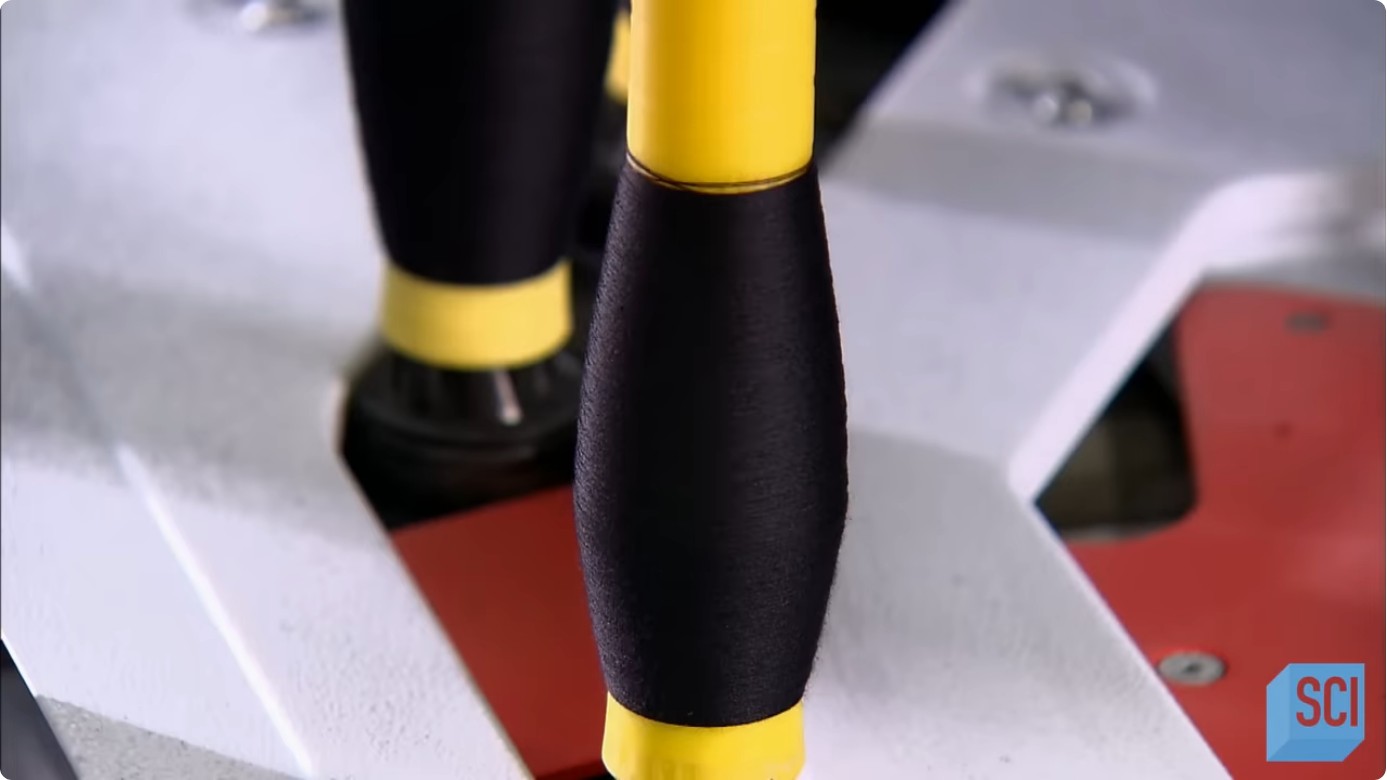
Spandex/Lycra is almost never used alone. It’s a specialty fiber, typically comprising 3% to 30% of a fabric blend. The carrier fiber—cotton, polyester, nylon, or wool—determines the fabric’s primary character, while the spandex provides movement. The percentage of spandex is a critical design decision.
A critical note on fabric construction: Two fabrics with the same spandex percentage can feel and perform entirely differently based on how the yarn is knitted or woven. A 15% spandex content in a fine, 28-stitch-per-inch single jersey knit will be softer and more fluid than the same percentage in a heavier, 20-stitch-per-inch interlock knit. Always judge the final fabric swatch, not just the fiber content breakdown.
Choosing the right spandex blend is a exercise in matching mechanical properties to end-use requirements.
| Application | Typical Spandex % | Ideal Carrier Fiber | Key Property Priority |
|---|---|---|---|
| Performance Activewear (yoga, running) | 12-20% | Polyester or Nylon | Moisture-wicking, high recovery, abrasion resistance. |
| Competition Swimwear | 15-25% | Nylon/Polyester | Chlorine & UV resistance, low drag, muscle compression. |
| Everyday Jeans | 1-3% | Cotton (Denim) | Recovery in woven structure, minimal “bagging,” authentic denim hand. |
| Intimates & Shapewear | 15-30% | Nylon, Polyester, Cotton blends | High power/compression, soft skin feel, opacity. |
| Workwear & Uniforms | 3-10% | Cotton/Polyester blends | Durability, comfort for movement, easy care. |
For businesses purchasing fabric by the yard, navigating the supply chain for spandex blends requires diligence. Most mills and converters source the spandex fiber separately and incorporate it during the knitting/weaving process. Your relationship with the fabric supplier is key.
When sourcing, establish clear specifications and ask targeted questions:
Building a relationship with a knowledgeable fabric agent or mill representative who understands performance fabric can save immense time and prevent costly sampling errors. Be prepared to provide a detailed tech pack with your desired performance metrics.
Spandex is a workhorse, but it has clear limits. The primary enemy is heat. High temperatures—from hot washing, drying, or ironing—can permanently degrade the polymer chains, causing irreversible loss of stretch (often called “heat setting” in the wrong context). The universal care rule: wash cool, tumble dry low or line dry, and iron on the lowest setting, if at all. Chlorine in pools and harsh detergents with bleach can also break down fibers over time, especially lower-quality spandex, leading to a loss of compression and recovery in swimwear and activewear.
Another limitation is breathability. Spandex itself is non-absorbent and traps moisture. In high-sweat applications, the carrier fiber (e.g., moisture-wicking polyester) does the heavy lifting of climate management. A 100% spandex garment would be clammy and uncomfortable. This is why the blend composition is so vital.
Whether you specify “Lycra” or “spandex” in your bill of materials comes down to your product’s performance requirements, price point, and quality assurance needs. For a flagship performance line, the consistency and specialized technology of a branded fiber like Lycra can be a worthwhile investment that customers perceive through superior fit and longevity. For basic stretch in casual wear, a well-vetted generic spandex from a reputable supplier can meet the brief cost-effectively. The most successful product developers don’t just rely on a brand name; they define exact performance specifications, test relentlessly, and understand that the magic is in the blend, not just the single fiber.