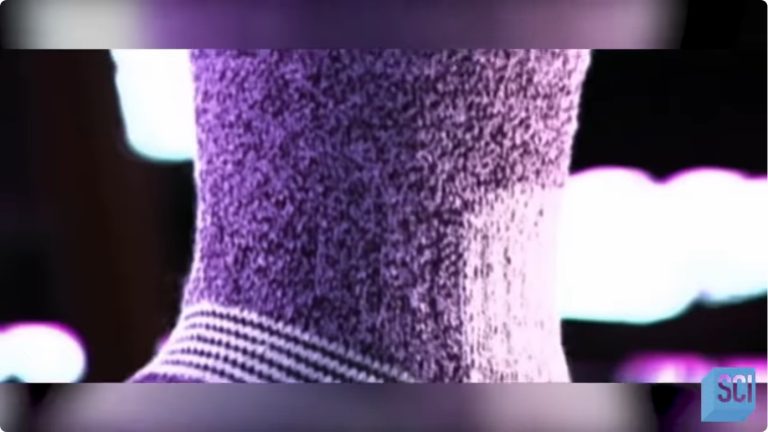
If you’ve heard the term “scuba fabric” in the context of clothing, you might be picturing a diver’s wetsuit. That’s a logical leap, but it’s not quite accurate. The scuba fabric used in apparel is a distinct category of technical textile engineered for specific performance characteristics, not the thick, closed-cell neoprene rubber used for thermal protection in deep-water diving. Understanding this distinction is the first step to leveraging its unique properties. Apparel scuba fabric is typically a lightweight, double-knit construction—often polyester-based—with a raised, spongy texture created by a special knitting process that traps air. This gives it a signature combination of stretch, insulation, and a smooth, substantial hand feel that sits between a traditional knit and a soft shell.
Its development was driven by the needs of water sports and activewear, where buoyancy, warmth, and freedom of movement are paramount without the bulk of traditional foam-backed materials. Today, its applications have expanded far beyond the pool and ocean, into fashion, outerwear, and even some industrial uses. This guide cuts through the confusion to detail exactly what apparel scuba fabric is used for, its critical performance trade-offs, and how to source it effectively for your project.
Quick Overview: Scuba Fabric at a Glance
Defining Apparel Scuba Fabric
Apparel scuba is a double-faced knit fabric, usually made from polyester or nylon, with a brushed or spongy middle layer. It is not the same as the neoprene used in professional diving wetsuits. Key properties include:
Moderate Stretch & Recovery: Offers 2-way or 4-way stretch for mobility.
Thermal Insulation: The air-trapping structure provides warmth without heavy weight.
Water Resistance: Repels light moisture and dries quickly; not waterproof.
Substantial Body: Holds shape well, providing structure for fitted garments.
Smooth Surface: The face can be printed on or finished with a variety of textures.
Primary Applications in Apparel and Sportswear
Scuba fabric’s niche is in performance-driven categories where its specific blend of properties solves a clear problem. It is rarely a standalone fabric for basic garments but excels in roles requiring warmth, shape retention, and a technical aesthetic.
1. Swimwear and Aquatic Sports
This is the foundational use case. Scuba fabric is a mainstay in:
Competitive Swimsuits & Swim Trunks: Its smooth surface reduces drag in water, while the lightweight insulation provides a slight thermal benefit for pool training. The stretch allows for a snug, compressive fit that enhances hydrodynamics.
Rash Guards and Swim Shirts: The fabric’s slight buoyancy and insulation protect against chill and UV exposure (when treated with a UPF finish). Its quick-drying nature is essential for repeated water exposure.
Wetsuit Liners & Shorties: For warm-water diving or surfing, thin scuba fabric is used in sleeveless or short-sleeve wetsuit tops. It provides minimal thermal protection but offers abrasion resistance and a layer of warmth.
Key Caveat: For any use involving prolonged immersion in cold water, true neoprene wetsuits remain the undisputed standard for thermal insulation. Scuba fabric is for warm-water or surface-level activities. For swimwear, ensure the fabric meets relevant AATCC or ASTM standards for colorfastness and chlorine resistance if intended for chlorinated pools.
2. Activewear and Base Layers
The fitness boom adopted scuba fabric for its unique feel:
Yoga and Pilates Wear: The fabric’s substantial body and moderate compression provide gentle support and a “second-skin” feel during stretching and holds. It skims the body without clinging excessively like some tightly woven knits.
Lightweight Outerwear for Cross-Training: Jackets and zip-ups for gym-goers or runners in cool conditions. It blocks wind better than a standard fleece while remaining more breathable than a solid shell. Look for scuba fabrics with a brushed interior for added warmth.
Skort and Short Lining: Used as a bonded or standalone layer in athletic skorts to provide modesty, structure, and a smooth feel against the skin.
Tradeoff to Consider: While warm, scuba fabric is not highly breathable. Its closed structure traps heat and moisture vapor. It is best for low-to-medium intensity activities or as a mid-layer. For high-intensity cardio, a perforated or mesh-paneled version is preferable.
3. Fashion and Structured Casual Wear
The fabric’s unique texture and drape have made it a favorite in contemporary fashion:
Dresses and Skirts: A-line or fit-and-flare silhouettes benefit from scuba’s ability to hold volume and structure without interfacing. It creates a bold, graphic look.
Jumpsuits and Rompers: Provides a tailored, crisp appearance with the comfort of stretch. The fabric’s weight gives the garment a premium, substantial feel.
Jackets and Coats: Often used in moto jackets, peplum tops, or lightweight car coats for a structured, modern look. It takes clean seaming and minimal detailing well.
Accessories: Structured handbags, totes, and even hats use scuba for its shape-holding properties and easy-care finish.
In fashion, the “technical” or “sporty” aesthetic of scuba is a deliberate style choice. Its lack of traditional drape means patterns and designs must account for its firmness.
Performance Comparison: Scuba vs. Neoprene vs. Other Technical Knits
To make an informed decision, understanding where scuba stands relative to similar-feeling fabrics is crucial. The following table outlines key distinctions.
Feature
Apparel Scuba Fabric
Diving Neoprene (Closed-Cell)
Soft Shell
Lightweight Fleece
Construction
Double-knit with air-trapping pile
Solid rubber/foam sheet, often laminated to fabric
Woven or knitted with a soft brushed interior and smooth, weather-resistant exterior
Knitted pile fabric (typically polyester)
Primary Insulation
Moderate (traps air)
Excellent (traps gas bubbles in foam)
Low to Moderate
Good to Excellent
Stretch
High (2-way or 4-way)
Very Low (stiff when dry, slightly more flexible when wet)
Moderate to High (often 4-way)
Moderate (usually 2-way)
Water Resistance
Water-resistant (will saturate with prolonged exposure)
Waterproof (the foam itself is impermeable)
Water-repellent (DWR finish), not waterproof
Absorbent (unless specially treated)
Breathability
Very Low
None
Moderate to High
Moderate
Typical Use
Swimwear, fashion, light outerwear
Cold-water diving wetsuits
Active outer shells for hiking, cycling
Mid-layer insulation for cold-weather activities
Sourcing and Quality Considerations
When purchasing scuba fabric for manufacturing or large projects, several factors dictate its suitability and cost.
Key Specifications to Request
Weight (GSM): Scuba fabrics range from 180 GSM (light, for swimwear) to 320+ GSM (heavy, for structured fashion). The weight directly impacts drape, warmth, and opacity.
Stretch Percentage & Recovery: Ask for the stretch percentage in both directions and its recovery rate. Poor recovery leads to bagging.
Composition: 100% Polyester is most common and cost-effective. Nylon blends offer softer hand but can be less stable. Lycra® or Spandex content (usually 10-20%) drives stretch.
Finish: Is it brushed (softer, warmer), embossed (textured pattern), or clear-coat (smooth)? Does it have a DWR (Durable Water Repellent) finish? UV protection?
Certifications: For swimwear or children’s wear, look for OEKO-TEX® Standard 100 certification to ensure harmful substances are below critical limits. For sustainable claims, ask about GRS (Global Recycled Standard) or bluesign® approved materials.
Wholesale and Supplier Strategy
Scuba fabric is widely available through textile distributors and mills.
For Prototyping & Small Batches: Seek out online fabric retailers that specialize in performance or swimwear fabrics. They often sell by the yard with low minimums. Always order a physical swatch to test hand, stretch, and recovery.
For Production Volumes: Contact fabric mills directly or through a sourcing agent. Major producers are in Asia (China, Taiwan, Korea) and some in the US/Europe. Minimum order quantities (MOQs) can range from 500 to 5,000 yards depending on the mill and customization.
Critical Questions for Suppliers: “What is the fabric’s shrinkage rate?” (Can be 5-10% if not pre-shrunk). “Can you provide a lab dip and test reports for colorfastness (salt, chlorine, perspiration) and pilling?” “What is the lead time for production and shipping?”
Limitations and When Not to Use Scuba
Scuba is not a universal solution. Its characteristics create clear boundaries for appropriate use.
Avoid for High-Heat or High-Moisture Activities: Its low breathability makes it a poor choice for running, gym workouts, or hot yoga where sweat management is critical. It will feel clammy.
Not for Heavy Insulation: Do not substitute it for a puffer jacket or expedition gear. Its warmth is light to moderate, suitable for 50-65°F (10-18°C) conditions with layering.
Can Be Bulky in Thin Forms: Very lightweight scuba (sub-200 GSM) can feel surprisingly bulky and stiff compared to a standard 4-way stretch knit, as the structure comes from the foam-like layer, not the yarn.
Sewing Challenges: Its thickness and stretch require careful handling. Use a stretch needle (ballpoint or jersey), a walking foot to prevent shifting, and a stretch stitch (like a narrow zig-zag). Pinning can distort edges; clips are often better.
Environmental Note: Like most synthetics, it is not biodegradable. Recycled polyester (rPET) versions are increasingly available and are a responsible choice for sustainability-focused brands.
Making the Decision: A Practical Checklist
Before specifying scuba fabric for a product, run through this quick checklist:
Define the Core Need: Is the primary goal wind resistance, light warmth, structure, or a specific aesthetic? If breathability is the top need, look elsewhere.
Match the Environment: Is the garment for water sports, cool-weather casual wear, or fashion? Scuba excels in the first two and is a style statement in the third.
Test the Hand & Recovery: Get a swatch. Stretch it vigorously and release it. Does it snap back quickly? Does it feel plasticky or overly stiff? The ideal is a supple, responsive hand.
Consider the Garment Construction: Does the design have many seams or curves? Scuba’s bulk can make complex seaming bulky. Simple, clean lines work best.
Verify Care Requirements: Most scuba is machine washable, but high heat can damage the foam layer. Specify cold water wash and low tumble dry or line dry for longevity.
Final Thoughts: The Niche of a Champion
Scuba fabric occupies a clever middle ground in the textile world. It is not the warmest, the most breathable, or the most flexible fabric available. Instead, it offers a balanced, all-in-one package of light insulation, water repellency, significant stretch, and remarkable shape-holding ability. This makes it the champion for specific applications: the swim shirt that dries fast, the yoga jacket that blocks a studio draft, the fashion skirt that stands away from the body.
The key to using it successfully is respecting its limitations. It is a tool for a specific job, not a general-purpose workhorse. When your project demands a fabric that provides a bit of warmth, a lot of structure, and a distinctly technical look—all with a comfortable stretch—scuba fabric is precisely engineered to deliver. Always prototype with the exact fabric and construction you plan to use, as its behavior can vary significantly between manufacturers and finishes.