Address
304 North Cardinal
St. Dorchester Center, MA 02124
Work Hours
Monday to Friday: 7AM - 7PM
Weekend: 10AM - 5PM
Address
304 North Cardinal
St. Dorchester Center, MA 02124
Work Hours
Monday to Friday: 7AM - 7PM
Weekend: 10AM - 5PM
When you need a fabric that can take abuse without sacrificing a decent look, heavy cotton twill is often the answer. It’s the sturdy material behind your favorite work jeans, durable backpacks, and classic canvas chairs. But not all twill is created equal, and understanding what makes this specific variant “heavy” is key to using it successfully in any project, from apparel manufacturing to home goods. This guide cuts through the basics to give you the technical details, practical applications, and sourcing insights you need to make informed decisions.
We’ll break down the construction that gives heavy cotton twill its signature diagonal rib, explain the measurable properties that define “heavy,” and compare it to similar fabrics. You’ll learn where it excels, where it falls short, and what to ask for when dealing with suppliers. Whether you’re a designer, a small-batch maker, or a procurement officer, understanding these nuances will help you select the right material the first time.
The term “heavy” in heavy cotton twill isn’t just a marketing descriptor; it’s a quantified specification rooted in two primary factors: yarn count and fabric construction. It’s the combination of these elements that results in a dense, durable textile.
You may also like: Sweatshirt Material by the Yard: A Practical Guide to Selection and Sourcing
Fabric weight is the single most objective measure. It’s expressed in grams per square meter (GSM) or ounces per square yard (oz/yd²). For a cotton twill to be considered “heavy,” it typically starts around 300 GSM (9 oz) and can go up to 500+ GSM (15+ oz) for industrial applications. A standard pair of denim jeans, for reference, often uses fabrics in the 10-14 oz range. Lighter twills, like those used in some shirts or dresses, might be under 200 GSM. The higher the number, the more substantial the hand feel and the greater the durability—but also the less breathable and flexible the fabric becomes.
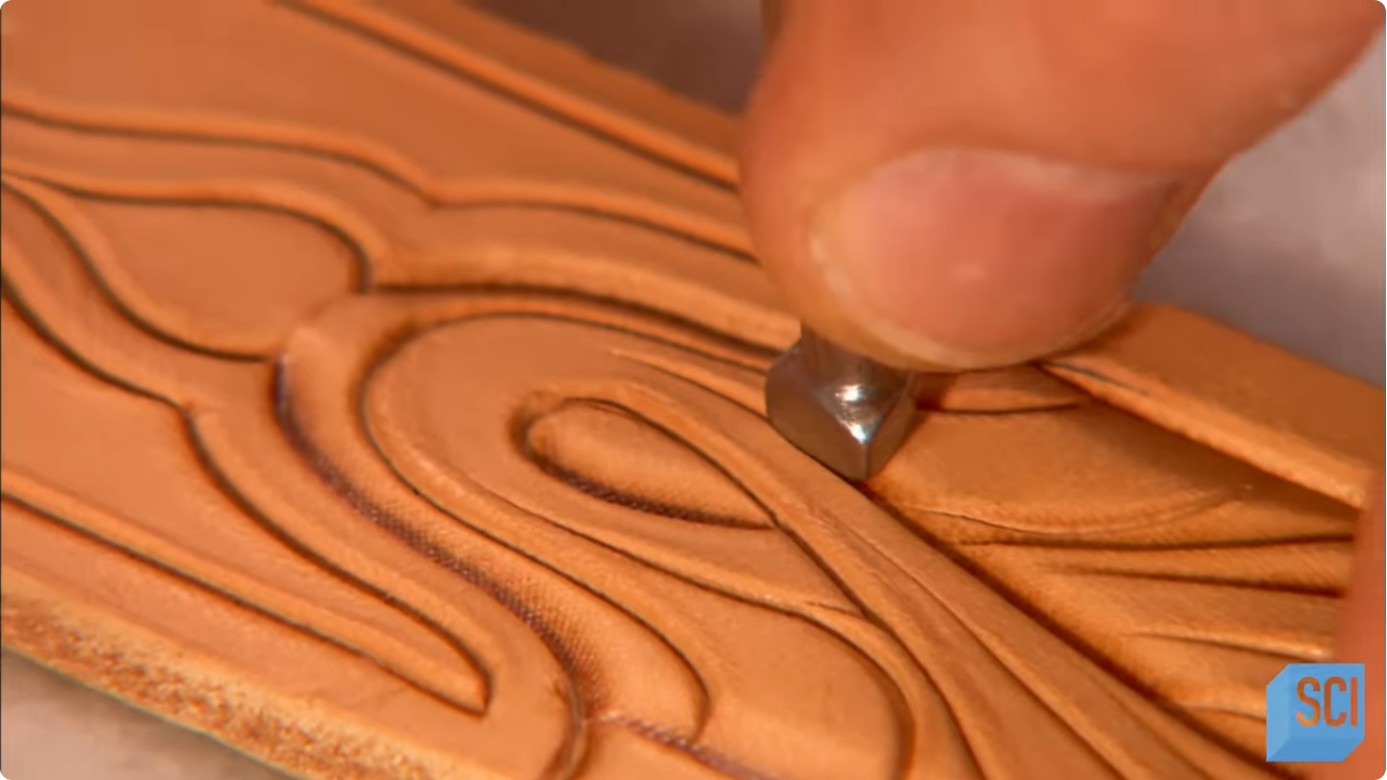
Heavyweight twill uses thicker yarns, which are designated by a lower “Ne” or “Nm” count (e.g., 10/1 Ne is thicker than 30/1 Ne). These yarns are also often more tightly twisted. Thicker, tightly twisted yarns create a more robust surface that resists abrasion and pilling. However, they contribute to a stiffer, less fluid drape.
The defining characteristic is the twill weave, where the weft (crosswise) yarn passes over one or more warp (lengthwise) yarns and then under two or more, creating a distinctive diagonal line or “wale” on the fabric surface. Common twill variations include:
In a heavy cotton twill, these patterns are executed with the thick yarns mentioned above, amplifying the fabric’s density and strength.
| Weave Type | Diagonal Prominence | Typical Weight Range (GSM) | Common Use |
|---|---|---|---|
| 2×1 Twill | High | 280 – 400 | Denim, workwear, heavy chinos |
| 3×1 Twill | Very High | 350 – 500+ | Industrial canvas, heavy-duty bags, upholstery |
| 2×2 Twill | Medium/ Balanced | 200 – 350 | Heavy twill shirts, lighter trousers |
Understanding the “why” behind the fabric’s behavior is crucial for product development and selection.
Heavy cotton twill finds its niche where durability trumps softness and flexibility.
This is the classic use. Think of jeans, duck cloth jackets, heavy-duty trousers (e.g., for construction, hiking, or hunting), and coveralls. The fabric’s toughness protects against scrapes and wear. However, for garments requiring a lot of movement or to be worn next to the skin in warm climates, a lighter twill or a different weave (like a poplin) would be more comfortable.
The high abrasion resistance makes it perfect for backpack bodies, tool bags, duffel bags, and cases for tools or cameras. It provides a rugged shell that can handle being set down, rubbed against surfaces, and packed tightly. For waterproof applications, it must be treated with a DWR (Durable Water Repellent) finish or used with a separate liner, as the untreated cotton weave will absorb water.
In its heaviest forms (500+ GSM), it becomes a candidate for canvas upholstery, aprons, tarpaulins, and sacks. Here, the priority is sheer strength and longevity, with aesthetics secondary.
Helpful tip: The Essential Guide to Terry Cotton Fabric: From Towels to Fashion
Ordering “heavy cotton twill” is too vague. You need to specify your requirements clearly to get a consistent product.
A Practical Sourcing Checklist:
Trusted Supplier Types:
Choosing heavy cotton twill means accepting certain limitations. The very properties that make it tough also create constraints.
Is heavy cotton twill the same as duck or canvas?
They are close relatives. “Duck” (or “duck canvas”) is a heavy, plain-weave cotton fabric, not a twill. It has a simpler over-under weave and is typically even heavier (often 18+ oz). “Canvas” is a general term for very heavy-duty fabrics, which can be plain weave (like duck) or twill weave. So, a heavyweight twill can be a type of canvas, but not all canvas is twill. Always check the weave.
Can I use it for upholstery?
Yes, but with caution. For indoor, low-traffic furniture, a 14-16 oz twill may suffice. For commercial or high-use settings, you need a much heavier, tightly woven fabric (often treated for stain resistance) or a dedicated upholstery twill. The fabric must also pass abrasion tests like the Wyzenbeek or Martindale method. Ask for the fabric’s double rub count.
How do I pre-shrink it myself?
While mill pre-shrinking is best, you can pre-wash a sample yardage. Machine wash in hot water with like colors, then tumble dry on high. Measure before and after to calculate the expected shrinkage (warp and weft can shrink differently). Expect 3-8% shrinkage in each direction for non-sanforized fabrics.
What’s a good mid-range GSM for versatile workwear?
For all-season trousers and jackets that balance durability with some breathability, a 10-12 oz (approx. 340-405 GSM) 2×1 or 3×1 twill is an excellent sweet spot. It’s heavy enough for serious work but not overwhelmingly hot in milder climates.
Also read: The Definitive Guide to Black Cable Knit Fabric: Properties, Uses, and Sourcing