Address
304 North Cardinal
St. Dorchester Center, MA 02124
Work Hours
Monday to Friday: 7AM - 7PM
Weekend: 10AM - 5PM
Address
304 North Cardinal
St. Dorchester Center, MA 02124
Work Hours
Monday to Friday: 7AM - 7PM
Weekend: 10AM - 5PM
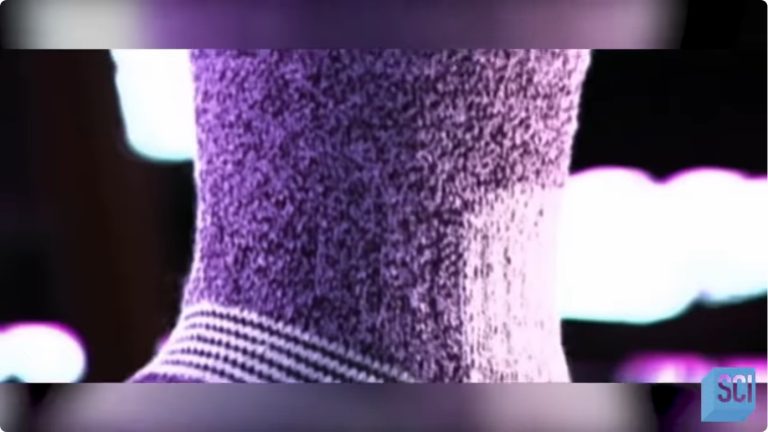
Bamboo knit fabric has carved out a significant niche in the apparel world, often marketed as a sustainable, ultra-soft, and breathable alternative to traditional cotton or synthetic knits. For designers, brand owners, and savvy sewers, understanding the true nature of this material is crucial. The reality is more nuanced than the marketing suggests, involving a specific manufacturing process, distinct performance characteristics, and important sourcing considerations. This guide cuts through the hype to provide a clear, actionable overview of bamboo knit fabric, helping you determine if it’s the right fit for your project or product line.
We’ll explore what bamboo knit actually is, break down its tangible pros and cons, compare it to common competitors, and outline the key factors to evaluate when sourcing it commercially. Whether you’re considering it for activewear, baby clothing, or luxury loungewear, this article will equip you with the factual foundation needed to make an informed decision.
Understanding the two primary types of bamboo knit starts with the solvent used to dissolve the bamboo pulp. This distinction is the single most important factor affecting the fabric’s environmental footprint, hand feel, and cost.
Helpful tip: The Complete Guide to Cotton Lycra Cloth: From Fiber to Finished Garment
This is the traditional and most widely available process. Bamboo leaves and shoots are crushed and treated with sodium hydroxide (lye) and other chemicals to break down the cellulose into a soluble form. The solution is then extruded through spinnerets into an acid bath to regenerate the fibers. This closed-loop system is less efficient, and the chemicals can be hazardous if not managed correctly. The resulting fiber is soft and absorbent but can be weaker when wet and may involve more impactful chemical processing.

Lyocell uses a different, more benign solvent—typically N-methylmorpholine N-oxide (NMMO)—in a closed-loop system that recovers and reuses over 99% of the solvent. This process is considered more environmentally responsible and produces a fiber that is often stronger, both dry and wet, with better moisture management. Tencel™ is the branded version of lyocell from Lenzing, and while they don’t produce a bamboo-specific branded fiber, their lyocell technology is often applied to bamboo pulp. Fabrics labeled simply “bamboo lyocell” should be inquired about for their solvent recovery rate.
Why this matters: When sourcing, asking “Is this bamboo viscose or lyocell?” is a critical first question. Lyocell commands a higher price point but offers better performance and a cleaner production story. Always look for certifications like EPA Green Chemistry principles or specific mill-level environmental reports to verify claims.
Let’s move from process to product. Here’s a practical breakdown of how bamboo knit behaves on the skin and in the wash.
The benefits come with important trade-offs that affect product design and consumer advice.

| Aspect | Bamboo Knit (Viscose/Lyocell) | Key Implication |
|---|---|---|
| Wet Strength | Weaker than cotton or polyester when wet (viscose more so than lyocell). | Gentle machine cycles, cold water, no harsh wringing. Blending with stronger fibers (e.g., cotton, spandex) mitigates this. |
| Shrinkage | High potential for shrinkage (up to 10%). | Must be pre-shrunk by the manufacturer or pre-washed by the maker. Crucial to specify “sanforized” or pre-washed fabric for commercial patterns. |
| Draping & Stability | Excellent drape, but low inherent stability; prone to stretching out of shape. | Ideal for draped garments, not for structured pieces. Requires careful cutting and often stabilization in_pattern areas like necklines. |
| Pilling | Can pill, especially with short-staple viscose and friction. | Higher-quality, longer-staple lyocell pills less. Blending with polyester or nylon can improve abrasion resistance. |
How does it stack up against the fabrics you already know? Here’s a quick comparison for decision-making.
Moving from theory to a bolt of fabric requires due diligence. The term “bamboo fabric” is not tightly regulated, and claims can be misleading. Treat your supplier conversations as an audit.
Use this checklist to guide your inquiries:
Bamboo is frequently sold as an unambiguously “eco-friendly” fabric. This is a critical oversimplification. The sustainability story hinges entirely on the manufacturing process. A chemically intensive viscose process with poor waste management can be highly polluting. The growth of bamboo itself is fast and requires less water and pesticides than cotton, but that’s only part of the lifecycle. You must investigate the processing as much as the feedstock. Be skeptical of vague “eco-bamboo” claims without specific certification details.
Where does bamboo knit truly shine? Its properties point to specific, high-value uses.
Design Tip: Account for stretch and potential shrinkage in your pattern. Use a ballpoint or stretch needle when sewing. A walking foot can help manage the fabric’s tendency to stretch during sewing. Always pre-wash your fabric before cutting garment pieces.
Bamboo knit fabric is not a magic bullet, but it is a uniquely positioned material in the textile ecosystem. It answers a clear demand for a natural-fiber feel with performance benefits like moisture management and odor resistance. Its Achilles’ heels—wet strength, shrinkage, and potential for chemical processing—are real and must be managed through design, care instructions, and supplier vetting.
For a brand building a story around comfort, natural materials, and skin-friendliness, a high-quality, certified bamboo lyocell knit is a compelling, defensible choice. For applications requiring extreme durability, maximum stretch recovery, or the lowest possible cost, traditional synthetics or cotton remain more pragmatic. The key is moving beyond the “bamboo” label to understand the specific fiber type, its production context, and how its inherent properties align with your functional and ethical goals.
Is bamboo fabric really sustainable?
The bamboo plant is highly renewable, but the viscose production process can be chemically intensive. The most sustainable options are bamboo lyocell from suppliers using a closed-loop solvent system and renewable energy. Look for comprehensive certifications like OEKO-TEX and FSC as proxies for responsible processing.
How do I care for bamboo knit clothing?
Always machine wash cold on a gentle cycle with like fabrics. Use mild, eco-friendly detergents. Avoid bleach and fabric softener (which can coat fibers and reduce absorbency). Tumble dry low or, ideally, line dry flat to maintain shape. Iron on low heat if needed.
Why does my bamboo shirt feel less soft after a few washes?
This can happen if the fabric is a lower-grade viscose with shorter fibers that fibrillate (form tiny pills). It can also result from detergent buildup or hard water. Using a vinegar rinse in the wash cycle can help restore softness. Pre-washed, high-quality lyocell is less prone to this issue.
Can I dye bamboo knit fabric at home?
Yes, but with caution. Bamboo viscose/lyocell is a regenerated cellulose fiber and dyes well with fiber-reactive dyes (like Procion MX). It will not take acid dyes (used for wool/silk). Test for colorfastness and always follow dye manufacturer instructions precisely, as the process involves salts and soda ash.
More advice: The Complete Guide to Buying Cotton Lycra Fabric by the Yard