Address
304 North Cardinal
St. Dorchester Center, MA 02124
Work Hours
Monday to Friday: 7AM - 7PM
Weekend: 10AM - 5PM
Address
304 North Cardinal
St. Dorchester Center, MA 02124
Work Hours
Monday to Friday: 7AM - 7PM
Weekend: 10AM - 5PM
When shopping for a performance polo, the fabric choice isn’t just about aesthetics—it fundamentally dictates how the shirt performs, feels, and lasts. The two Most common contenders in the modern performance polo arena are interlock knit and mesh knit. While both are engineered for activity, they offer distinctly different wearing experiences. Understanding their core constructions, inherent properties, and ideal use cases is the key to selecting a polo that truly matches your needs, whether that’s for a grueling tournament, a casual Friday, or a high-intensity workout.
This guide cuts through the marketing jargon to break down the mechanical and practical differences between interlock and mesh polo fabrics. We’ll explore how their knit structures create unique benefits in moisture management, durability, and visual profile, and provide a clear framework to help you decide which fabric is the right tool for your specific job.
At first glance, an interlock polo and a mesh polo might look similar, but a simple touch reveals their different personalities. This difference stems from their fundamental knitting methods, which create two entirely different fabric architectures.
Interlock knit is a double-sided, reversible fabric constructed by interlocking two separate jersey knits together. Imagine two layers of standard t-shirt fabric seamlessly fused into one stable, balanced unit. The result is a smooth, neat, and substantial-feeling fabric that looks the same on both sides. It is known for its stability, shape retention, and a hand that feels more like a fine cotton jersey than a traditional synthetic mesh.
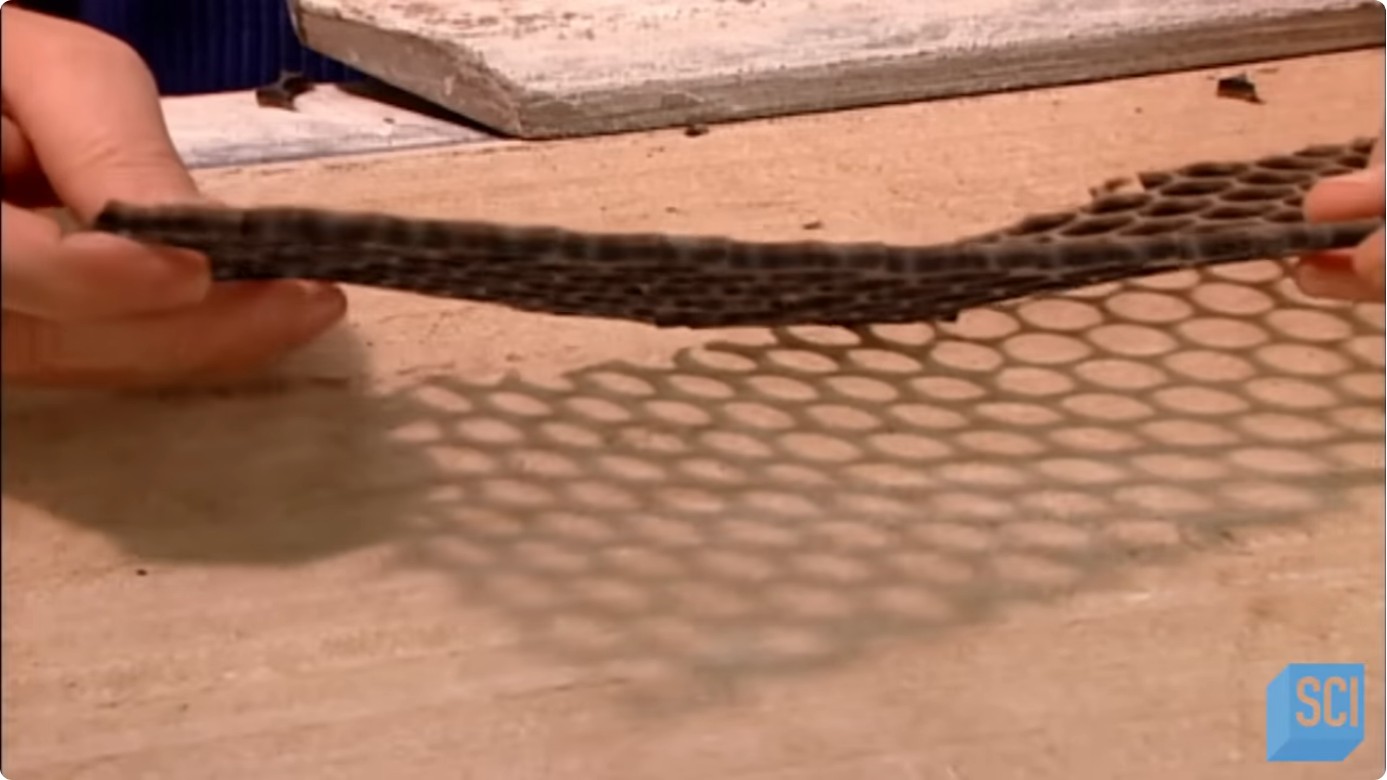
Mesh knit, in contrast, is a single-layer fabric with a distinctive open, net-like structure. It is created by knitting rows of loops that form a grid of connected holes. This structure is inherently porous and lightweight. Performance mesh is almost always made from synthetic fibers like polyester, which are engineered to maximize airflow and rapid moisture vapor transfer through those open spaces.
To make an informed choice, you need to compare how these fabrics perform across the metrics that matter most in a performance garment. The following table highlights their fundamental differences and the resulting practical implications.
| Property | Interlock Polo | Mesh Polo |
|---|---|---|
| Construction & Weight | Double-layer, fused, jersey-like. Medium to heavy weight (180-220+ GSM). | Single-layer, open-hole grid. Very lightweight (120-160 GSM). |
| Breathability & Airflow | Good. Relies on wicking and fabric movement for ventilation. Can feel warm in static, high-heat conditions. | Excellent. The open structure allows for direct, unimpeded airflow. The primary cooling mechanism. |
| Moisture Management | Very Good to Excellent. The dual-layer and dense knit pulls moisture away from skin and holds it in the fabric’s outer layer to evaporate. Feels drier to the touch initially. | Good. Wicks moisture to the surface quickly, but the open structure means it holds less total moisture. Feels wetter when saturated but dries very fast. |
| Drape & Look | Smooth, structured, and opaque. Holds a crisp collar well. Looks like a premium knit polo, not athletic wear. | Soft, drapey, and semi-sheer. Collar can be less structured. Has a distinctly sporty, athletic aesthetic. |
| Durability & Pilling | High. The interlocked construction is resistant to runs, tears, and deformation. Pilling is minimal on quality versions. | Moderate. The open structure is more susceptible to snagging and tearing under abrasion (e.g., from backpacks or rough play). Can pill on high-friction areas. |
| Insulation | Provides slight insulation when dry. Can feel clammy when saturated. | Minimal insulation. The ultimate “cool-to-the-touch” fabric. |
| Typical Use Case | Golf, corporate/team uniforms, casual wear, low-to-medium intensity activities where a polished look is key. | Running, high-intensity training, tennis, hot climates, any activity where maximum airflow is the priority. |
Beyond the specs, the choice often comes down to your primary activity and desired aesthetic. Here are common scenarios mapped to the more suitable fabric.
The descriptions above assume well-made fabrics from reputable brands. Significant variations exist based on fiber content, yarn quality, and knitting precision. A cheap, loosely knit mesh will pill and snag quickly, while a high-end interlock with added stretch and advanced moisture-wicking treatments (like those using moisture management technology) can outperform basic meshes in wicking tests.
Furthermore, many modern polos use hybrid constructions. You might find a mesh back panel for ventilation combined with an interlock front and sleeves for structure and opacity. Always check the product description and feel the fabric yourself when possible. A 200 GSM interlock can feel quite different from another 200 GSM interlock based on the yarn spin and finishing processes.
Before you buy, run through this mental checklist to align the fabric with your need.
Your choice between interlock and mesh isn’t about which fabric is “better” in an absolute sense—it’s about which is better for your specific context. The smooth, substantial feel of an interlock polo provides a versatile, durable foundation for activities where looking sharp matters as much as moving comfortably. The featherlight, airy nature of a mesh polo is a specialized tool for when beating the heat is the single most important function of your clothing.
Think about your last few activities where a performance polo was the right choice. Did you wish you felt cooler, or did you wish the shirt looked less like workout gear? Your answers to those questions will almost always point you firmly toward one construction or the other. For a deeper dive into textile standards that affect performance claims, resources from the ASTM International on fabric testing can provide technical background on how these properties are measured.