Address
304 North Cardinal
St. Dorchester Center, MA 02124
Work Hours
Monday to Friday: 7AM - 7PM
Weekend: 10AM - 5PM
Address
304 North Cardinal
St. Dorchester Center, MA 02124
Work Hours
Monday to Friday: 7AM - 7PM
Weekend: 10AM - 5PM
You reach for a performance tee for a summer run, but that same shirt might be your best friend on a hot commute or during a demanding workday. The promise of moisture wicking—pulling sweat away from the skin to keep you dry—has moved far beyond athletic wear. Yet, the term is used loosely, and not all fabrics that claim to wick are created equal. Understanding the science, the material trade-offs, and the real-world performance helps you choose the right garment for the job, whether you’re a mountain guide, a warehouse manager, or someone who simply dislikes sticky summer shirts.
This guide cuts through the marketing to explain what moisture wicking actually is, how different fibers achieve it, and the critical questions you should ask before buying. We’ll explore why a cotton/polyester blend behaves differently from a pure merino wool layer and why construction matters as much as the fiber itself. The goal is to give you a clear framework for evaluating fabric claims and matching them to your specific needs.
At its core, moisture wicking is a physics process called capillary action. Think of how a paper towel draws up a spill. The tiny spaces between fibers act like microscopic straws, pulling liquid (sweat) from a wet area (your skin) to a drier area (the fabric’s outer surface) where it can evaporate. For this to happen efficiently, two things are required: the fiber must be hydrophilic (water-attracting) or at least not completely hydrophobic (water-repelling), and the fabric structure must have a network of capillaries.
You may also like: The Essential Guide to Choosing and Using a Children’s Vest Sewing Pattern
It’s a common misconception that wicking means the fabric doesn’t get wet. It does. It means the liquid is transported rapidly so the skin-side feels drier and the evaporation zone is maximized. The speed and capacity of this transport define the fabric’s performance. A slow wicking fabric might feel clammy, while a fast one provides a genuine cooling effect as sweat evaporates from the outer surface.
You can have a hydrophilic fiber like cotton, which absorbs moisture into the fiber itself (high absorbency), but it doesn’t necessarily transport it quickly to the surface. Cotton holds water, which is why a 100% cotton shirt becomes heavy and soggy. Conversely, a hydrophobic fiber like polyester doesn’t absorb water into the fiber but can be engineered with special cross-sections and fine denier (thickness) to move moisture along the fiber’s surface via capillary action.
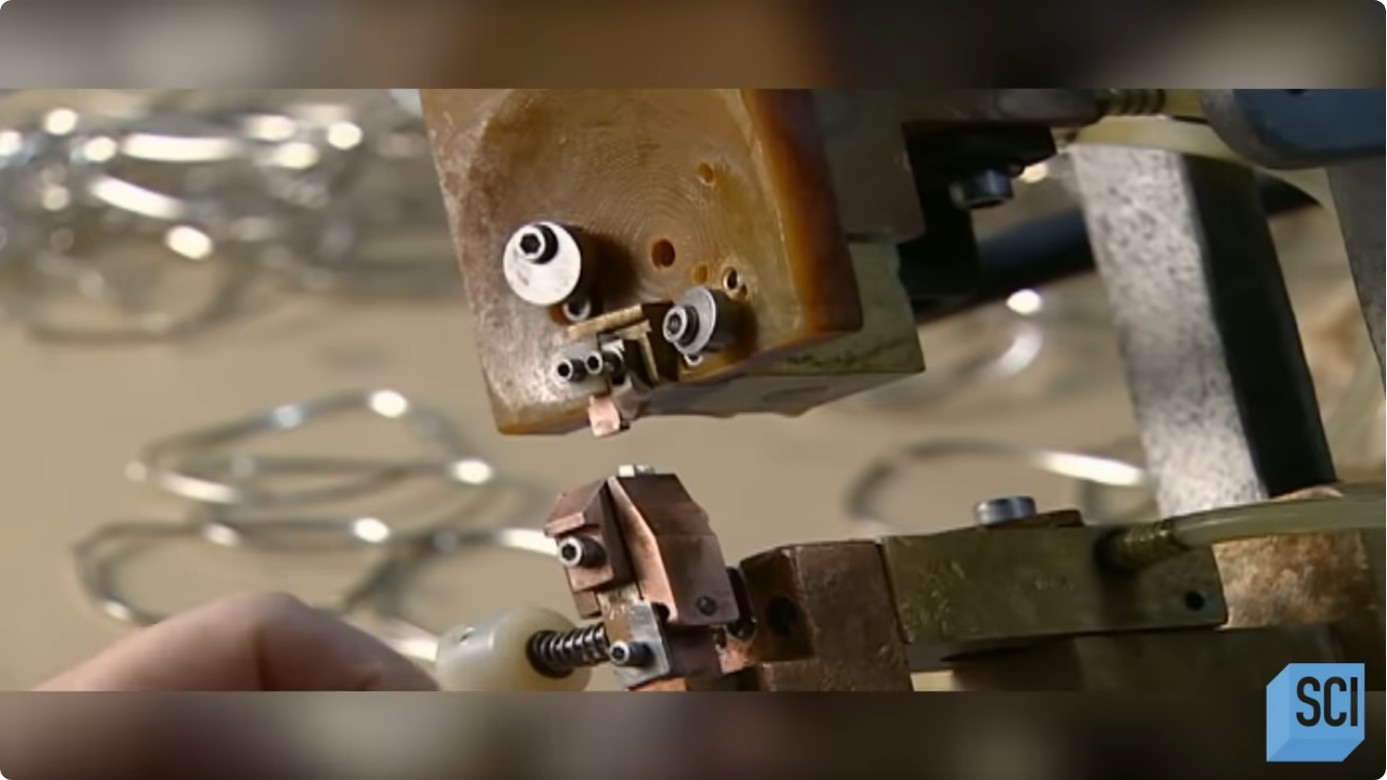
This is why many high-performance wicking fabrics are synthetic. They are designed from the polymer stage to have a non-absorbent surface and a shaped cross-section (often oval or with longitudinal grooves) that enhances capillary pull. However, some natural fibers, most notably wool, have a unique structure with a hydrophobic outer cuticle and a hydrophilic core, allowing them to absorb vapor (perspiration) without feeling wet, a slightly different but highly effective mechanism.
The choice of fiber is the starting point. Here’s a practical breakdown of the most common materials used in moisture management.
| Fiber Type | Primary Wicking Mechanism | Key Advantages | Primary Limitations | Ideal Use Case |
|---|---|---|---|---|
| Polyester (engineered) | Capillary action along fiber surface; hydrophobic base. | Excellent wicking speed, lightweight, durable, quick-drying, inexpensive. | Can retain odor (though treatments help), petroleum-based, less breathable than wool. | High-intensity cardio (running, cycling), hot/humid environments, team sports, budget-friendly workwear. |
| Nylon | Similar to polyester; capillary action. | Very strong, abrasion-resistant, also quick-drying. | Similar odor retention to polyester, can feel less soft than polyester. | Outdoor adventures (hiking, climbing) where abrasion resistance is key, swimwear. |
| Merino Wool | Absorbs vapor into fiber core, transports via fiber scales; also wicks liquid. | Natural odor resistance, temperature regulation (warm when damp), soft, biodegradable. | Higher cost, less durable than synthetics (can pill), slower drying than thin synthetics. | Multi-day outdoor activities, travel (can be worn multiple days), cold-weather layering, sensitive skin. |
| Cotton | Absorbs moisture into fiber (high absorbency, low transport speed). | Comfortable, breathable, soft, natural. | Heavy when wet, slow to dry, loses insulation when damp, no active wicking. | Low-sweat casual wear, fashion basics, not recommended for performance. |
| Blends (e.g., Poly-Cotton) | Hybrid; synthetics provide transport, cotton adds comfort/absorbency. | Balanced feel, easier care, reduced static, often more affordable. | Wicking performance diluted by cotton content; still holds more moisture than pure synthetic. | Corporate workwear, casual polos, uniforms where extreme performance isn’t critical but comfort is. |
Two shirts made from identical fiber content can perform wildly differently based on how they’re knitted or woven. This is where many consumers get misled.
Choosing a moisture-wicking fabric is about balancing competing properties. Ask yourself these questions:
Terms like “dry-fit,” “cooling,” and “moisture management” are unregulated. Use this checklist to see past the hype:
The pursuit of dryness has limits. There are scenarios where focusing on wicking is counterproductive:
Selecting the right moisture-wicking fabric is a system of tradeoffs. The “best” fabric doesn’t exist in a vacuum; it exists relative to your activity, climate, personal priorities (odor vs. cost vs. feel), and garment care habits. Start by identifying your core use case from the table above. Then, use the checklist to dissect the specific garment’s construction and claims. Don’t assume that a higher price tag or a famous brand logo guarantees superior wicking—the fiber content label and fabric weight are more honest indicators.
For sourcing, if you are a small brand or designer, work directly with textile manufacturers or reputable suppliers who provide detailed technical datasheets (often called “fabric passports”) that include wicking test results. For consumers, focus on trusted brands with transparent material information and strong return policies, as real-world testing is the final arbiter. The feel of a fabric in a store won’t replicate a sweaty hike, but understanding the principles gives you the power to make an informed choice.
Related guide: Cotton Knit Ribbing Fabric: The Stretch Essential for Cuffs, Necklines, and Beyond