Address
304 North Cardinal
St. Dorchester Center, MA 02124
Work Hours
Monday to Friday: 7AM - 7PM
Weekend: 10AM - 5PM
Address
304 North Cardinal
St. Dorchester Center, MA 02124
Work Hours
Monday to Friday: 7AM - 7PM
Weekend: 10AM - 5PM
When you need the soft, forgiving comfort of a knit but also require the structured warmth of a quilt, you enter the specialized world of quilted knit fabric. It’s not just a pattern printed on a sweater; it’s a deliberate, engineered textile that bridges two fundamental fabric categories. Understanding its true construction, performance trade-offs, and sourcing channels is crucial for designers, brand owners, and informed consumers who want to specify the right material for a performance jacket, a cozy robe, or a luxury lounge set. This guide cuts through the marketing terminology to explain what quilted knit fabric actually is, how it differs from its look-alikes, and what you need to know to select and source it effectively.
The term can be ambiguous. At its core, quilted knit fabric is a knit fabric that has been bonded or stitched to a secondary layer—often a batting, foam, or another knit—creating a distinct, three-dimensional padded surface. This is fundamentally different from a fabric that is merely printed with a quilted diamond or channel pattern. The key characteristic is physical depth and insulation trapped between layers.
The construction typically falls into one of two categories:
The result is a fabric that moves with the body like a knit but maintains a lofted, insulating structure. This duality is its primary value proposition.
To evaluate if quilted knit is right for your project, you must weigh its inherent properties against your functional needs.
The air pockets trapped in the quilted channels provide excellent thermal retention. The level of warmth depends on:
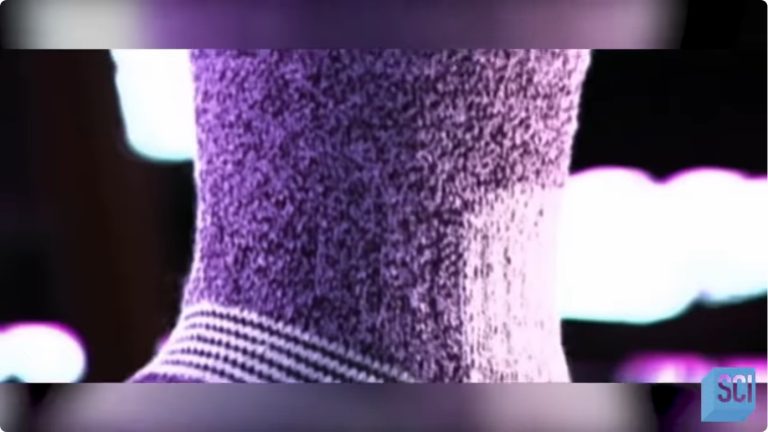
Because its foundation is knit, it retains significant stretch and recovery, especially if a stretchy interlining or bonding method is used. This allows for comfortable, unrestricted movement. The drape is generally more structured than a single-knit jersey due to the added layer, placing it between a fluid knit and a stiff woven quilt.
This is a critical caveat. The bonded or stitched layers can severely restrict airflow. While the knit face may wick moisture, the trapped vapor cannot easily escape through the bonded interface. This can lead to a clammy feeling during high-exertion activities. For active applications, look for specifications highlighting breathable laminates (e.g., using a microporous film) or quilting patterns that minimize the bonded area.
The multi-layer construction adds points of potential failure. Stitched quilting can experience thread breakage or batting shifting. Bonded laminates can delaminate (separate) if exposed to excessive heat, harsh chemicals, or repeated abrasion. Care instructions are typically strict: machine wash cold, gentle cycle, no fabric softener, tumble dry low or air flat. Always request the manufacturer’s specific care guide.
Choosing quilted knit often means choosing it over another fabric. Here is a practical comparison.
| Feature | Quilted Knit | Single-Layer Performance Knit | Woven Quilted Fabric |
|---|---|---|---|
| Primary Warmth Source | Trapped air in padded channels | Fabric weight, yarn type, brushed back | Batting layer between woven fabrics |
| Stretch & Mobility | High (inherent from knit base) | Very High | Low to Minimal (wovens typically) |
| Structure & Wind Resistance | Moderate to High (from padding) | Low to Moderate (depends on weave/knit) | Very High |
| Breathability | Low to Moderate (often the biggest limitation) | High (especially mesh or open knits) | Low (dense stitching/bonding) |
| Typical Weight | Medium to Heavy (due to layers) | Light to Medium | Medium to Heavy |
| Ideal Use Case | Casual outerwear, loungewear, cold-weather base layers (non-athletic) | Activewear, swimwear, summer apparel | Heavy-duty outerwear, sleeping bags, traditional quilts |
You’ll find quilted knit fabric in specific garment categories where its unique property set is a definite advantage.
Design Note: The quilt pattern direction (vertical channels vs. diamonds) can influence stretch direction and visual elongation. Pattern placement on the garment must consider the fabric’s limited bias stretch compared to a single knit.
Sourcing quilted knit requires more specific communication than sourcing a basic jersey. Vague requests will return mismatched samples.
When contacting suppliers—whether textile mills, converters, or wholesale distributors—be prepared to specify:
A Critical Sourcing Caveat: Minimum order quantities (MOQs) for custom quilted knits from mills are often high (thousands of yards). For smaller batches, seek out fabric converters or jobbers who stock pre-made quilted knit rolls. Always order a cuttable sample (at least 1 yard) to test sewing behavior, not just a swatch. The layering can cause shifting or needle penetration issues on standard sewing machines.
Before you finalize a decision or place an order, clarity on these points is essential:
Quilted knit fabric is a powerful tool in the textile toolbox, offering a rare combination of cozy insulation and flexible comfort. Its limitations in breathability and care are not flaws, but defining characteristics that must be matched to the right application. By focusing on precise construction details—knit base, bonding/quilting method, and batting type—and sourcing from knowledgeable suppliers, you can leverage this unique fabric to create garments that are both distinctly styled and functionally sound for their intended environment.