Address
304 North Cardinal
St. Dorchester Center, MA 02124
Work Hours
Monday to Friday: 7AM - 7PM
Weekend: 10AM - 5PM
Address
304 North Cardinal
St. Dorchester Center, MA 02124
Work Hours
Monday to Friday: 7AM - 7PM
Weekend: 10AM - 5PM
If you’ve ever worn leggings that move with you, a swimsuit that holds its shape, or a fitted dress that doesn’t bag out after a few hours, you’ve experienced the magic of spandex. Often called by its most famous brand name, Lycra, this synthetic fiber is the invisible engine behind modern form-fitting and performance apparel. But spandex and Lycra aren’t exactly the same thing, and understanding that distinction—along with how this fiber behaves in a blend—is critical for anyone designing, sourcing, or manufacturing garments that rely on stretch and recovery. This guide cuts through the branding to explain what spandex/Lycra fabric truly is, how to evaluate it for your project, and the practical realities of working with this essential material.
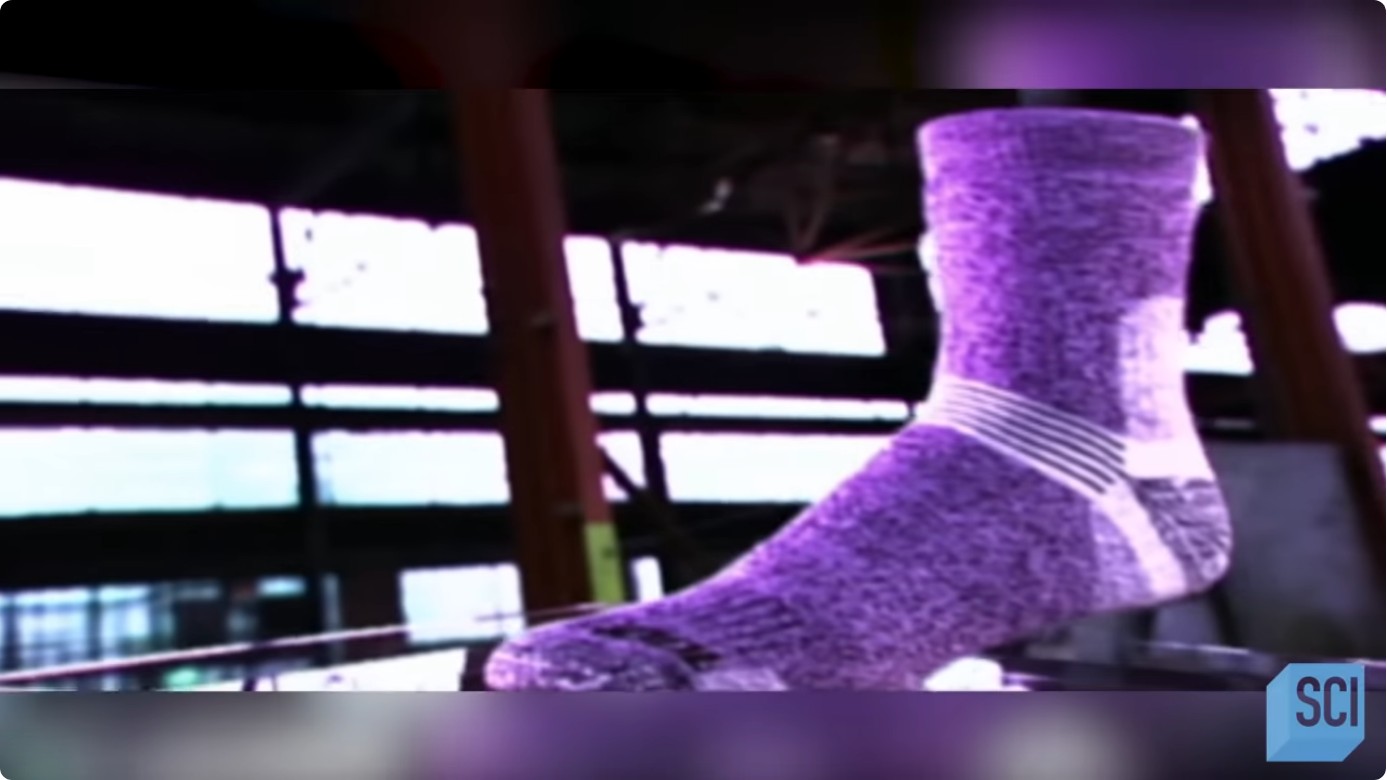
We’ll break down the chemistry, compare generic spandex to branded Lycra, explore common blends and their trade-offs, and address the sourcing and care considerations that determine whether a garment feels like a second skin or a disappointing, sagging mess.
At its core, spandex (also known as elastane in many parts of the world) is a synthetic polymer, specifically a copolymer of polyurethane. Its molecular structure is its superpower: long, coiled chains that can stretch up to 500% of their original length and then snap back. This exceptional elasticity comes from the flexible polyurethane segments in the polymer chain. Spandex is never used alone in apparel; it’s always blended with other fibers—like cotton, polyester, nylon, or wool—to provide stretch to an otherwise stable fabric.
The manufacturing process is complex, involving extruding the polymer through a spinneret to create fine filaments, which are then texturized or covered with other fibers to create a usable yarn. The quality of spandex can vary significantly between manufacturers based on the precise polymer formulation, the drawing process (which aligns the molecules for strength and recovery), and the final denier (thickness) of the filament. A lower denier spandex filament (e.g., 20 denier) is finer and often used in lightweight, high-stretch applications, while a higher denier (e.g., 40 or 70) is thicker, stronger, and used for heavy-duty support garments.
This is the most common point of confusion. Lycra is a specific, high-performance brand of spandex fiber owned by The Lycra Company. Think of it like Kleenex for tissues or Velcro for hook-and-loop fasteners. All Lycra is spandex, but not all spandex is Lycra. The Lycra Company has invested decades in research to optimize its fiber for comfort, durability, and recovery. Lycra fibers often feature proprietary technologies, such as:
When a spec sheet lists “Lycra,” it guarantees a fiber that meets The Lycra Company’s rigorous standards for performance and consistency. Generic spandex from other suppliers can vary widely in quality, recovery power, and longevity. For high-end activewear, swimwear, and premium foundational garments, the Lycra brand is often a selling point and a mark of quality assurance.
The character of a “spandex fabric” is defined almost entirely by its blend partner and the percentage of spandex. Here is a practical breakdown of the most prevalent combinations:
| Primary Fiber Partner | Key Properties & Feel | Typical Applications | |
|---|---|---|---|
| 2% – 5% | Cotton, Polyester, Nylon | Minimal stretch, slight ease, helps garment recover to shape, reduces wrinkling in wovens. | Dress shirts, tailored trousers, light denim, woven performance shirting. |
| 10% – 15% | Cotton (triblend), Polyester, Rayon | Moderate stretch and recovery, soft hand, good comfort. Standard for many activewear basics. | Yoga pants, casual dresses, t-shirts, lightweight leggings, fitted tops. |
| 20% – 30%+ | Nylon, Polyester | High compression, strong recovery, firm support. Often used in performance and shaping wear. | Swimwear, competitive athletic wear (cycling, running), shapewear, compression sleeves. |
| 15% – 25% | Wool | Stretch in woven suiting/knits, improved drape and wrinkle resistance. | Stretch wools for suits, travel-friendly blazers, flexible knit sweaters. |
Critical Note on Percentages: The percentage of spandex is by weight. A 95% cotton / 5% spandex jersey knit will feel incredibly soft and have a gentle stretch. A 80% nylon / 20% spandex woven will feel much tighter and compressive. The fabric construction (knit vs. weave) dramatically affects the final stretch and feel. Always request a fabric swatch and test it for your specific needs.
Ordering “spandex fabric” is too vague. You need to specify the exact parameters that affect performance and cost. Use this checklist when communicating with suppliers or reviewing a spec sheet:
A trustworthy supplier will provide this information. Never rely on a simple description like “stretch fabric” or “sport fabric.” The difference between a 12% Lycra® rib knit and a 15% generic spandex double-knit can be the difference between a profitable, repeat order and a costly return.
Also read: Can You Dye Bathing Suit Material? A Practical Guide to Swimwear Fabric Color Changes
Spandex is a durable but sensitive fiber. Its molecular chains can be permanently damaged by excessive heat and harsh chemicals. The primary enemies are:
For consumers, the best practice is to wash in cool water with a mild detergent, avoid fabric softener, and lay flat or tumble dry low. For manufacturers, clear care labels are a legal and ethical necessity.
From a sustainability perspective, spandex is a petroleum-based, non-biodegradable fiber. Recycling it is technically challenging because it must be separated from its blend partner (the Ellen MacArthur Foundation’s work on textile recycling highlights this systemic challenge). Some brands are exploring bio-based spandex alternatives or mechanical recycling processes for spandex-blended fabrics, but these are currently niche and more expensive. Sourcing decisions must balance performance needs with end-of-life considerations.
Choosing between generic spandex and branded Lycra, or selecting the right blend, comes down to three questions:
Not necessarily. For applications where a small amount of stretch for ease of movement is the only goal—like a small percentage in a woven shirt or a casual, low-stress tee—a high-quality generic spandex from a reputable fiber producer can be perfectly adequate and cost-effective. The key is rigorous testing. However, for any application where performance recovery, compression, shape retention, or brand prestige is critical, specifying Lycra® provides a verifiable performance baseline and a recognized marketing asset. The cost premium is often justified by reduced returns, higher customer satisfaction, and a lower risk of inconsistent batches from your fabric mill.
Ultimately, “spandex lycra fabric” isn’t a single material but a category defined by variables. Successful sourcing requires moving from vague requests to precise specifications, demanding data from your suppliers, and understanding that the 5% spandex in a cotton knit behaves entirely differently than the 20% in a nylon weave. Treat the spandex component with the same engineering rigor as the primary fiber, and your final product will deliver the intended fit and function.