Address
304 North Cardinal
St. Dorchester Center, MA 02124
Work Hours
Monday to Friday: 7AM - 7PM
Weekend: 10AM - 5PM
Address
304 North Cardinal
St. Dorchester Center, MA 02124
Work Hours
Monday to Friday: 7AM - 7PM
Weekend: 10AM - 5PM
If you’re exploring sustainable or premium apparel fabrics, you’ve likely encountered the terms “Tencel” and “Modal.” They are often mentioned together, used interchangeably in marketing, and can create genuine confusion. Are they the same fabric? Is one better than the other? This guide cuts through the branding to explain what Tencel Modal fabric truly is, how its properties impact your garment or product, and what to consider when sourcing it. We’ll move beyond generic “eco-friendly” claims to examine the tangible tradeoffs in performance, cost, and care.
At its core, both Tencel and Modal are types of rayon—specifically, regenerated cellulose fibers made from wood pulp. The critical distinction lies not in the base material but in the proprietary production process and the brand behind it. Modal is a older generic term for a specific type of modal fiber, with several producers. Tencel is the branded name for a specific type of lyocell fiber produced exclusively by Lenzing AG, known for its particularly closed-loop solvent-spinning process. When you see “Tencel Modal,” it typically refers to a fabric blend that combines Tencel lyocell fibers with Modal fibers, merging their respective characteristics. Understanding this blend is key to predicting how the final textile will behave.
To appreciate the blend, you must first understand the parent fibers. While both originate from plant-based sources (usually beech trees for Modal, eucalyptus or other sustainably sourced trees for Tencel), their manufacturing routes create different environmental profiles and fiber structures.
Modal fiber is produced using the viscose process. Wood pulp is dissolved in a chemical solution to create a viscous liquid, which is then spun into fibers. Modern, high-quality Modal (especially from reputable producers) is known for exceptional softness, high absorbency, and better strength when wet compared to standard viscose. It tends to have a more “pilled” or fuzzy surface texture and a beautiful drape, making it a favorite for loungewear and underwear. However, the traditional viscose process has faced criticism for chemical emissions if not managed with state-of-the-art recovery systems.
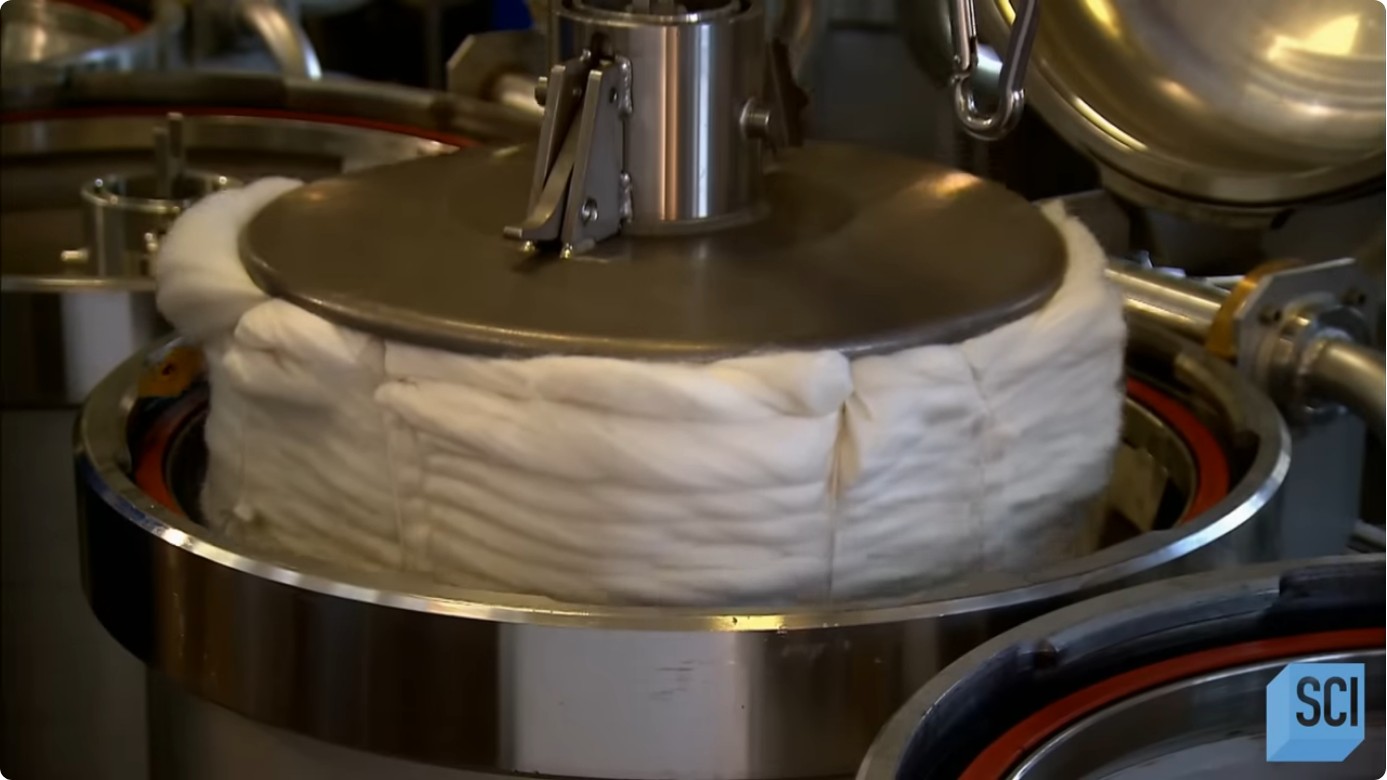
Tencel lyocell uses a fundamentally different, more advanced solvent-spinning process. The wood pulp is dissolved in a non-toxic, organic solvent (N-methylmorpholine N-oxide, or NMMO). The key innovation is that over 99% of the solvent is recovered and reused in a closed-loop system, drastically reducing waste and emissions. This gives Tencel a stronger sustainability narrative. The fiber itself is smoother, stronger (both dry and wet), and less prone to pilling than Modal. It also has excellent moisture management, feeling cool to the touch.
Blending these two fibers is a strategic choice by manufacturers to balance properties and often cost. A common blend ratio is 50/50, but it can vary widely (e.g., 60% Tencel/40% Modal). The resulting fabric inherits traits from both parents, though the dominant fiber usually dictates the primary characteristics.
Here is a side-by-side comparison of the key attributes you can expect from a typical Tencel Modal blend fabric:
| Property | Tencel (Lyocell) Influence | Modal Influence | Result in a Balanced Blend (e.g., 50/50) |
|---|---|---|---|
| Softness & Handfeel | Smooth, silky, cool | Extremely soft, fuzzy, warm | A balanced, luxurious softness with a slightly more textured feel than pure Tencel. |
| Strength & Durability | High tensile strength, especially wet | Good strength, weaker when wet than Tencel | Good overall strength, more resilient than pure Modal, but potentially less robust than pure Tencel. |
| Moisture Management | Excellent wicking, regulates temperature | High absorbency | Very good breathability and comfort in warm/humid conditions. |
| Drape | Fluid, elegant drape | Soft, supple drape | A beautiful, flowing drape suitable for dresses, blouses, and relaxed pants. |
| Pilling Resistance | Excellent (due to smoother fiber surface) | Moderate to Poor (fuzzy surface pills more easily) | Moderate. Better than pure Modal, but may still develop some fuzzing/pilling with heavy abrasion over time. |
| Shrinkage | Can shrink significantly if not pre-shrunk | Prone to shrinkage | High risk. Garments must be pre-washed or sanforized; expect 3-7% shrinkage if not. |
| Eco-Credentials | Very high (closed-loop, FSC/PEFC certified sources) | Good (if from responsible viscose producers with recovery systems) | Good to Very Good. Depends entirely on the specific Modal producer’s environmental standards. |
(Note: Fabric construction—weave, knit, GSM—also significantly impacts these properties.)
The Tencel Modal blend shines in applications where supreme softness, excellent drape, and breathability are paramount. It is less ideal for high-abrasion workwear or structured tailoring that requires maximum crispness.
Scenario Decision: You are designing a yoga pant. For a soft, premium yoga pant focused on comfort and light practice, a Tencel Modal knit is an excellent choice. For a high-performance, compressive yoga pant for intense hot yoga, you would likely need to blend in elastane (e.g., 5-10%) and might prioritize a higher percentage of Tencel for its superior strength and wicking over Modal’s softness.
Helpful tip: The Complete Guide to Ribbed Knitted Fabric: Structure, Uses, and Sourcing
Sourcing this fabric requires digging deeper than the “Tencel Modal” label. The term can be vague. Use this checklist when evaluating suppliers or fabric swatches.
Tencel Modal fabrics reward proper care but are sensitive to mistreatment. The biggest pitfalls are heat and agitation.
Is Tencel Modal truly sustainable? It has a much lower environmental impact than conventional cotton or polyester when produced correctly, primarily due to renewable raw materials and (in Tencel’s case) a closed-loop process. However, it is not “impact-free.” Energy use in production and the potential for deforestation if wood pulp sources are irresponsible are real concerns. Your choice hinges on the specific supplier’s certifications and transparency.
How does it compare to cotton? It is generally softer, more breathable, and drapes better than cotton. It wrinkles less but can shrink more. Cotton is generally more durable and easier to care for with high heat. Tencel Modal uses far less water in cultivation than cotton.
What about cost? Expect a premium of 20-50% over standard viscose or cotton fabrics. The cost is justified for premium, comfort-focused products where the handfeel is a primary selling point.
Final Verdict: A Tencel Modal blend is a superb choice for designers and brands targeting the comfort and sustainability-conscious market segments. Its success depends on transparent sourcing, meticulous pre-production testing (especially for shrinkage), and honest marketing that sets accurate expectations for care and performance. It is not a magic bullet fabric, but a sophisticated tool for creating high-quality, soft, and drapey garments when its specific properties are matched to the right application.