Address
304 North Cardinal
St. Dorchester Center, MA 02124
Work Hours
Monday to Friday: 7AM - 7PM
Weekend: 10AM - 5PM
Address
304 North Cardinal
St. Dorchester Center, MA 02124
Work Hours
Monday to Friday: 7AM - 7PM
Weekend: 10AM - 5PM
Whether you’re a small-batch fashion designer, a DIY enthusiast crafting custom activewear, or a business owner sourcing materials for uniforms, understanding jersey knit by the yard is fundamental. This ubiquitous fabric forms the backbone of everything from basic t-shirts to high-performance athletic wear. Buying it by the yard, rather than in pre-cut panels, unlocks flexibility for prototyping, custom patterns, and scalable production. However, the sheer variety in weight, composition, and quality can be overwhelming. This guide cuts through the noise, providing a practical framework for selecting, evaluating, and sourcing jersey knit fabric that meets your specific project’s needs and budget.
We’ll move beyond the simple definition to explore the critical properties that separate a durable, professional-grade jersey from one that will pill, stretch out, or fade after a few wears. You’ll learn to decode fiber content labels, understand knit constructions, and navigate the wholesale landscape to find reliable suppliers. The goal is to equip you with the knowledge to make an informed purchase, avoid common pitfalls, and ensure your final product performs as intended.
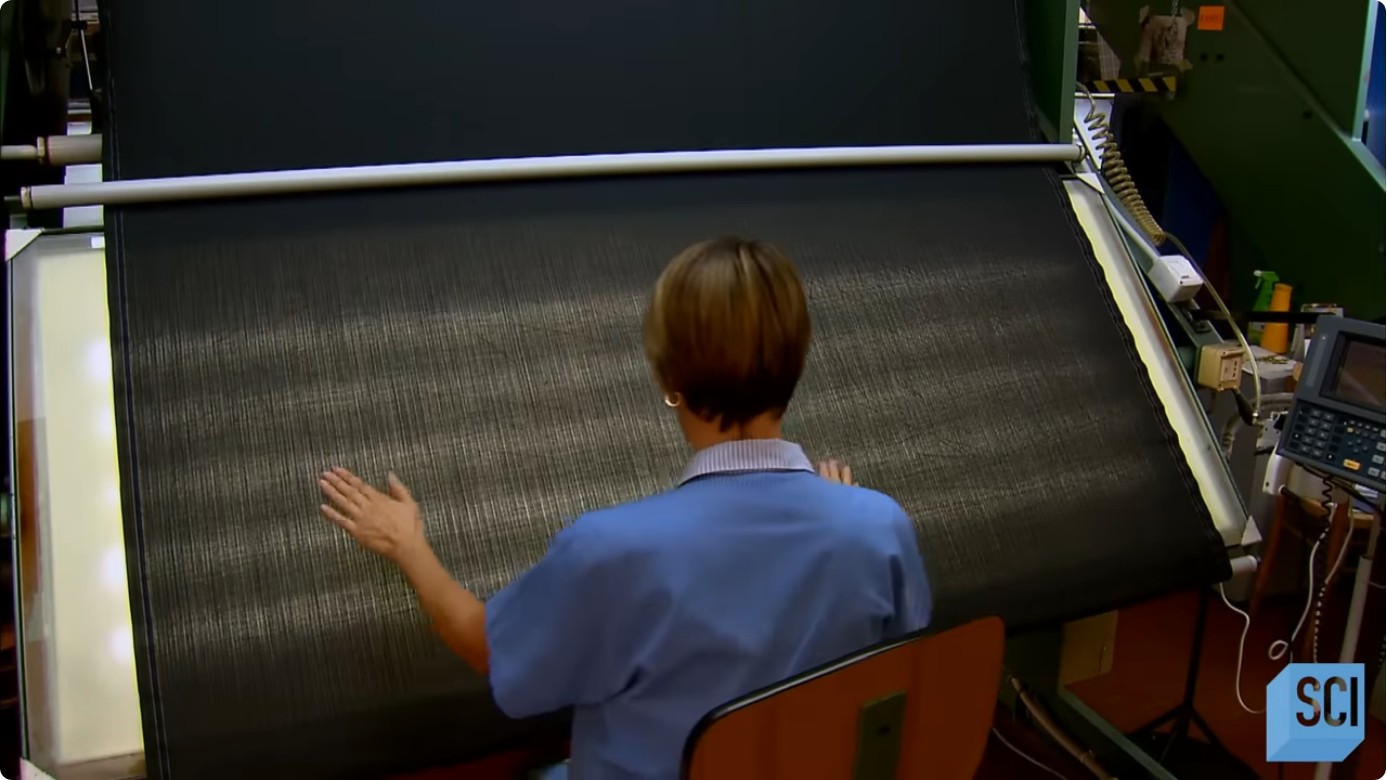
Jersey is a specific type of weft-knit fabric, named after the island where the knitting machine was first invented. Its defining characteristic is its structure: a single set of needles creates a looped stitch on one side (the face) and a series of interlocking “V” shapes on the reverse (the back). This is single jersey, the most common and economical type. It has a natural tendency to curl at the edges due to the differing tensions on the face and back. For applications where edge stability is crucial, double jersey or interlock fabrics are used, where two layers of jersey are knit together back-to-back, creating a stable, flat fabric with identical sides.
The magic of jersey lies in its inherent stretch and recovery, a direct result of its looped knit structure. This gives it superior comfort and mobility compared to woven fabrics. The degree of stretch, however, is not uniform—it’s heavily influenced by the knit gauge (how tight the stitches are), the fiber blend, and any added elastic yarns like spandex or Lycra®.
Before you buy, you must identify which properties are non-negotiable for your application. Here is a practical breakdown:
The fiber content is the single biggest predictor of a jersey’s performance, feel, and care requirements. The label will read something like “100% Cotton” or “95% Cotton, 5% Spandex.” Here’s what those combinations mean in practice.
| Blend Type | Pros | Cons | Best For |
|---|---|---|---|
| 100% Cotton (Combed/Ring-Spun) | Natural, breathable, soft, good absorbency, hypoallergenic. | Prone to shrinkage, wrinkles, poor stretch/recovery, can fade. | Basic t-shirts, bedding, casual wear where natural feel is paramount. |
| Cotton/Spandex (e.g., 95/5, 92/8) | Excellent stretch and shape retention, comfortable compression. | Spandex degrades with high heat; requires cooler washes. Can feel less “natural.” | Fitted tees, activewear base layers, leggings, swimwear. |
| Cotton/Polyester (e.g., 60/40, 50/50) | Durable, wrinkle-resistant, faster drying, more colorfast, cost-effective. | Less breathable than pure cotton, can feel less soft, static potential. | School uniforms, workwear, team jerseys, cost-sensitive basics. |
| Tri-Blend (Cotton/Poly/Spandex) | Balances comfort, durability, stretch, and drape. Very popular for fashion basics. | Complex care, potential for mixed-fiber pilling, mid-range price point. | Fashion-forward t-shirts, racerbacks, relaxed-fit athleisure. |
| Bamboo/Viscose Rayon | Extremely soft, excellent drape, breathable, natural sheen, moisture-wicking. | Weaker when wet, prone to shrinkage, can snag, more delicate. | Luxury loungewear, drapey tops, eco-conscious brands (if sustainably sourced). |
| 100% Polyester | Very durable, quick-drying, excellent color retention, moisture-wicking, cheap. | Prone to static, less breathable, petroleum-based, can feel plasticky. | Performance sports jerseys, travel wear, outerwear linings. |
Buying jersey by the yard transitions you from a consumer to a buyer in the textile supply chain. This changes the criteria for selection and the relationship with suppliers.
Retail Fabric Stores (Online or Brick-and-Mortar): These are ideal for prototyping, small runs (often 1-5 yards), and sampling. They offer convenience, curated selections, and often include helpful product details and swatch services. The trade-off is a higher per-yard cost. Use this channel to test a fabric’s hand, stretch, and sewability before committing to a larger wholesale order.
Wholesale/Distributor Channels: For production runs (typically 20+ yards, often 100+), wholesalers offer significant price breaks. They may require business credentials or a resale certificate. Key considerations here are minimum order quantities (MOQs), lead times, and consistency between dye lots. A reputable wholesaler will provide a full spec sheet including GSM, stretch percentage, shrinkage rates, and care instructions.
Never order jersey based on a photo or a vague description. Use this checklist to vet any supplier or fabric sample:
Let’s apply this knowledge to common use cases.
The path to a successful jersey garment is paved with good decisions, but these mistakes trip up even experienced makers:
As consumer awareness grows, the provenance of fabric matters. When sourcing jersey, consider the full lifecycle. Synthetic fibers like polyester are derived from fossil fuels and shed microplastics. Conventional cotton farming is resource-intensive. However, options exist: organic cotton avoids pesticides, recycled polyester gives plastic waste a new life, and Tencel™/Lyocell is produced in a closed-loop process from sustainably harvested wood pulp. Weigh these attributes against your project’s performance needs and your customer’s values. A transparent supply chain, even for a basic jersey, can become a valuable part of your brand story.
Navigating jersey knit by the yard involves balancing technical specs with creative vision and practical constraints. Common lingering questions often revolve around specific problems: “How do I handle a fabric that’s curling wildly during sewing?” (Try stay-stitching the neckline or using a walking foot.) “What’s the real difference between a $3/yd and a $10/yd jersey?” (It’s in the yarn quality, knitting uniformity, and finishing processes.) “Can I dye 100% polyester jersey at home?” (Generally no; it requires specialized disperse dyes at high temperatures, so it’s best to buy it in the color you need.) “What’s the smallest MOQ I can expect for a custom-dyed jersey run?” (This varies wildly by mill, but for digital printing on white jersey, MOQs can be as low as 10-20 yards; for custom fabric knitting and dyeing, expect 500+ yards.) Your best next step is to order multiple swatches from different suppliers, subject them to your intended care routine, and let the fabric’s performance guide your final decision.