Address
304 North Cardinal
St. Dorchester Center, MA 02124
Work Hours
Monday to Friday: 7AM - 7PM
Weekend: 10AM - 5PM
Address
304 North Cardinal
St. Dorchester Center, MA 02124
Work Hours
Monday to Friday: 7AM - 7PM
Weekend: 10AM - 5PM
Choosing fabric for your baby’s clothing is one of the first—and most important—decisions you’ll make as a parent, crafter, or small brand founder. It’s not just about a cute print; it’s about tiny, sensitive skin, constant movement, and the relentless cycle of washing and wearing. Among the endless options, jersey knit fabric stands as the undisputed workhorse of the baby wardrobe. From the staple sleep-and-play onesies to soft swaddles and cozy leggings, its gentle stretch and familiar texture make it a go-to choice. But not all jersey is created equal, and understanding its nuances is key to selecting fabric that is truly safe, comfortable, and durable for infants.
This guide cuts through the marketing to give you a practical, detailed look at jersey knit specifically for baby applications. We’ll break down what jersey actually is, compare the common fiber types you’ll encounter, explore critical performance factors like weight and stretch, and provide a clear framework for sourcing and selecting the best option for your specific needs—whether you’re sewing at home or sourcing for a production run.
Before diving into comparisons, it’s helpful to understand jersey’s inherent advantages for this delicate end-use. Jersey is a weft-knit fabric, meaning it’s made by interlocking loops in a single direction. This construction gives it two primary traits that are perfect for babies:
Its simplicity also makes it highly versatile for manufacturing—it doesn’t require complex pattern matching like wovens, and it’s relatively fast to sew, which keeps costs manageable for mass-market and boutique brands alike.
The performance and feel of jersey are dictated almost entirely by its fiber composition. For baby clothes, natural and regenerated fibers are overwhelmingly preferred for their breathability and low irritation potential. Here’s a breakdown of the most common options you’ll source.
The classic, ubiquitous choice. Available in combed, ring-spun, and organic varieties.
Best for: Everyday basics like bodysuits, pajamas, and receive blankets where cost-effectiveness and easy laundering are priorities.
Often marketed as “bamboo cotton” or “bamboo blend,” this is technically rayon made from bamboo pulp. It has a distinct silkier, cooler hand.
Best for: Premium, ultra-soft items like swaddles, dressy outfits, and summer wear where a silky feel is desired.
Jersey with a significant polyester or nylon content (e.g., 60/40 cotton/poly) is common for activewear and outerwear.
Best for: Outer layers, rompers for messy play, or items where maximum durability and low maintenance are critical. Avoid for direct skin contact sleepwear.
These are less common but appear in the boutique market. Soy jersey, made from soybean protein fiber, is soft, breathable, and has a cashmere-like feel.
Best for: Niche, high-end baby brands focusing on unique texture and marketing story.
Choosing a fiber isn’t just about feel; it’s a series of tradeoffs based on your priority. This table clarifies the core differences for the top three baby-safe contenders.
| Feature | 100% Cotton Jersey | Bamboo/Viscose Jersey | Cotton/Poly Blend |
|---|---|---|---|
| Softness (Initial) | Good (improves with wash) | Excellent (silk-like) | Fair to Good |
| Breathability | Excellent | Excellent | Poor to Fair |
| Moisture Wicking | Good (absorbs) | Excellent (absorbs & dries) | Poor (repels) |
| Durability/Wear | Good | Fair (weak when wet) | Excellent |
| Shrinkage | High (pre-wash needed) | High (pre-wash needed) | Low |
| Wrinkle Resistance | Low | Low | High |
| Ease of Care | Very Easy | Easy (gentle cycle) | Very Easy |
| Typical Cost | $ | $$$ | $ |
Two technical details will make or break a jersey’s suitability for baby clothes, regardless of fiber content.
GSM (grams per square meter) measures fabric density. For baby jersey, this is crucial.
Decision Point: For a year-round, all-occasion baby wardrobe, stock a mid-weight jersey (around 200 GSM) as your base. Use lightweight for summer and heavyweight for dedicated cold-weather layers.
Jersey naturally has stretch, but the percentage varies. Look for fabrics with at least 20-30% stretch across the grain (widthwise stretch is most critical for fitted baby garments). More importantly, check recovery—how well it springs back after being stretched. Poor recovery leads to baggy knees and elbows. You can test this by stretching a 4-inch section of fabric 2 inches and seeing if it returns to its original length.
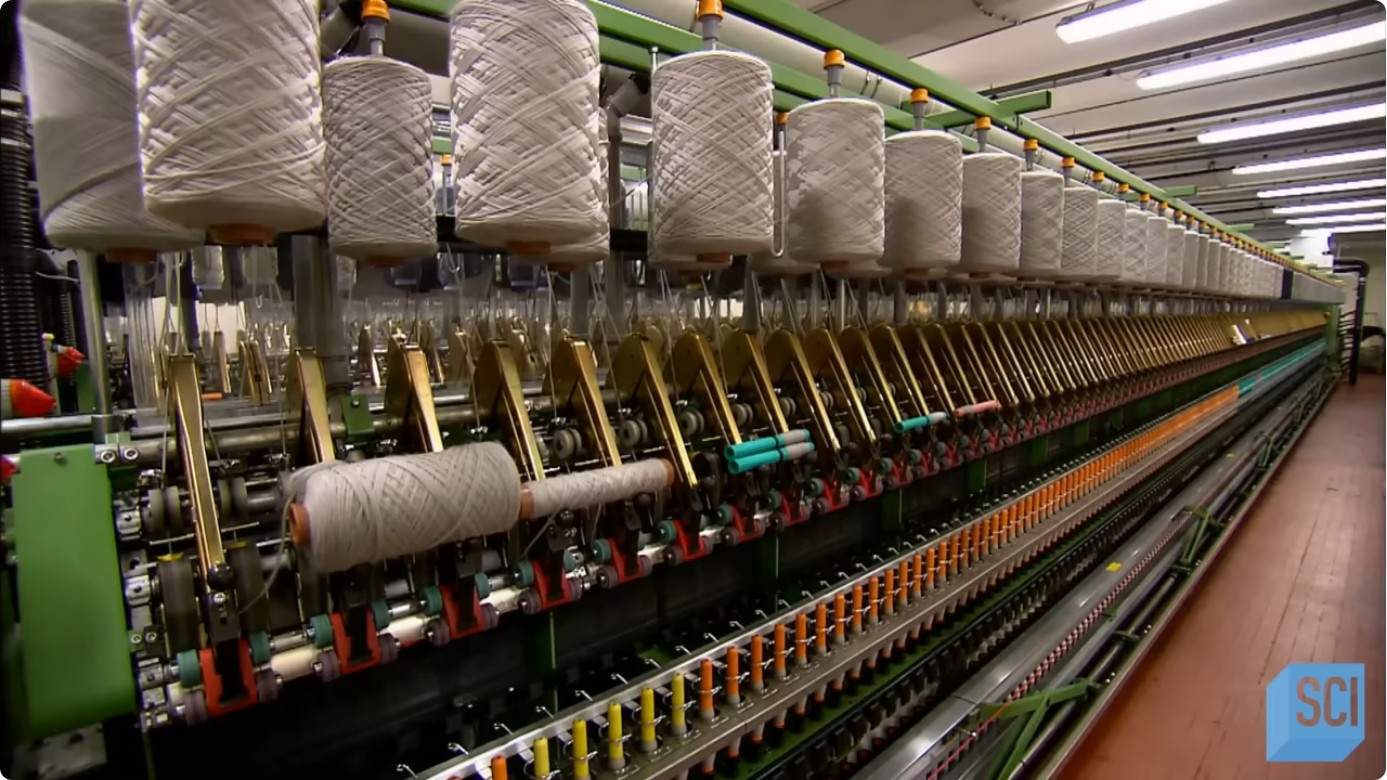
Whether you’re buying from a local craft store, an online retailer, or a wholesale supplier, a physical or digital inspection is vital.
Use this checklist before purchasing bulk fabric:
Matching the right jersey to the right garment extends its life and comfort.
“Can I use jersey for a baby’s first winter coat?” Not as the outer shell. Jersey lacks wind resistance and significant insulation. It’s best used as a soft, warm liner inside a proper coat or as a standalone layer under a snowsuit.
“Is French terry a type of jersey?” Yes. French terry is a weft-knit jersey with a looped pile on one side (the inside). It’s an excellent, slightly heavier option for cozy baby clothes, offering the same stretch with extra warmth and texture.
“How many washes before jersey starts pilling?” It depends entirely on quality. A high-quality, tightly-knit ring-spun cotton jersey may never pill noticeably. A low-quality, carded cotton jersey can start pilling after 3-5 washes. The pre-wash abrasion test is your best predictor.
“What’s the difference between ‘single jersey’ and ‘double jersey’?” Single jersey is what we typically think of—flat on one side, purl on the other. Double jersey (or interlock) is two single jerseys knitted together, making it thicker, more stable, and reversible with a smooth face on both sides. It’s more expensive but excellent for high-end babywear that won’t curl at the hem.