Address
304 North Cardinal
St. Dorchester Center, MA 02124
Work Hours
Monday to Friday: 7AM - 7PM
Weekend: 10AM - 5PM
Address
304 North Cardinal
St. Dorchester Center, MA 02124
Work Hours
Monday to Friday: 7AM - 7PM
Weekend: 10AM - 5PM
Corduroy is more than just a nostalgic fabric from the ’70s. Its distinctive ridged texture, known as wales, offers a unique combination of durability, warmth, and visual appeal that remains relevant in modern apparel and home textiles. When that texture is defined by broad, widely spaced ridges—a construction known as wide wale—the fabric takes on a different character altogether. Wide wale corduroy is heavier, softer, and often more rugged than its fine-wale counterparts, making it a staple for durable workwear, heritage fashion, and substantial upholstery. Understanding its construction, performance characteristics, and best applications is crucial for designers, sewers, and sourcing professionals looking to leverage its specific strengths.
This guide cuts through the basics to provide a detailed look at wide wale corduroy. We’ll explore how its construction dictates its feel and function, compare it to other corduroy types, dive into practical considerations for care and sourcing, and help you determine if it’s the right material for your specific project. Whether you’re selecting fabric for a heavy-duty jacket, a statement piece of furniture, or a wholesale product line, this article provides the actionable details you need.
At its core, all corduroy is a cut-pile fabric. The “wales” are the raised cords or ridges formed by cutting the weft yarns (the crosswise yarns) on top of a woven base. The “wide” in wide wale refers to the number of these ridges per inch. Measured in “wales per inch” (WPI), wide wale typically ranges from 3 to 8 WPI. For comparison, classic 21-wale corduroy has about 21 ridges per inch, making it much finer and smoother. The fewer the wales per inch, the wider and more pronounced each ridge becomes. This fundamental difference in scale results in a fabric that feels more substantial, has a bolder texture, and generally exhibits greater durability due to the thicker pile yarns and more robust construction.
Related guide: What Is Swimwear Material Called? A Practical Guide to Fabric Names and Choices
To understand wide wale corduroy’s performance, you must first understand how it’s made. The fabric’s signature texture is not a surface treatment but an integral part of its weave structure.
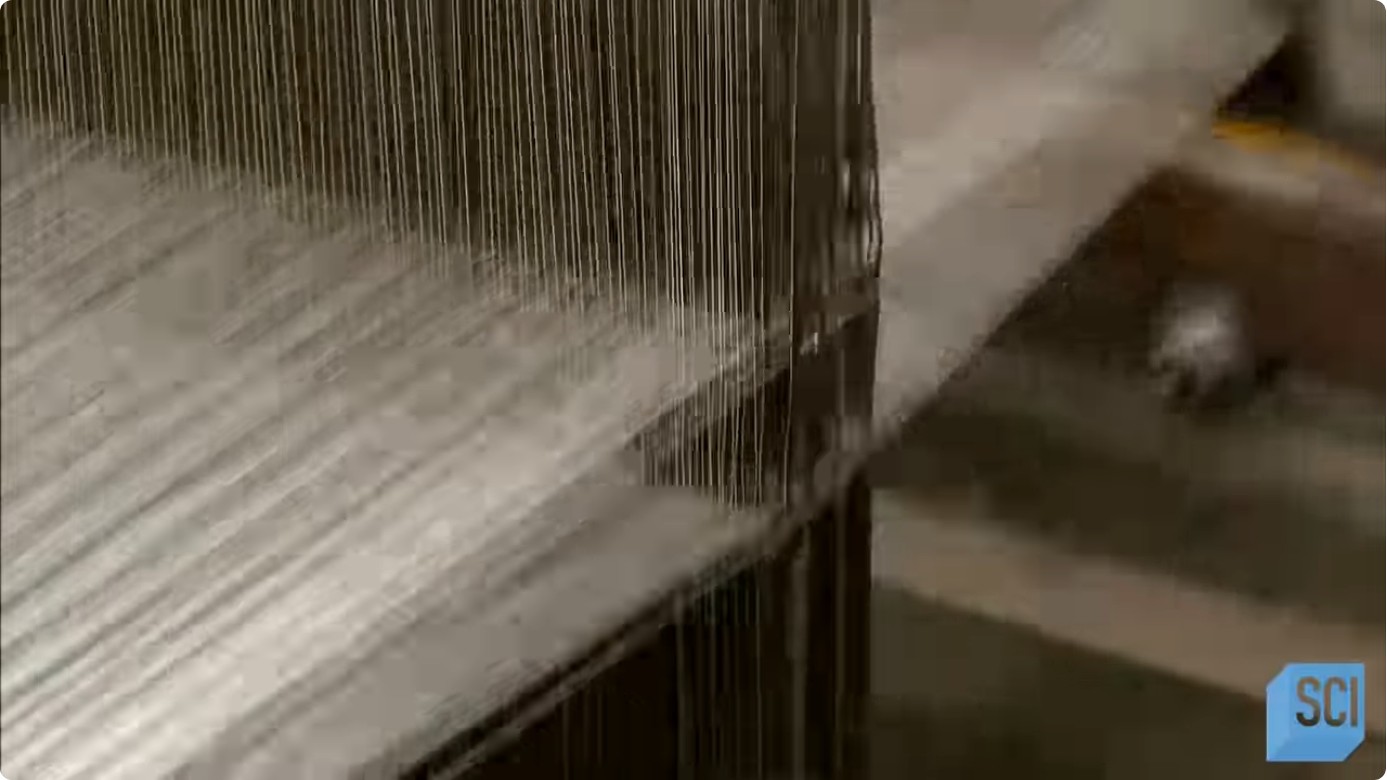
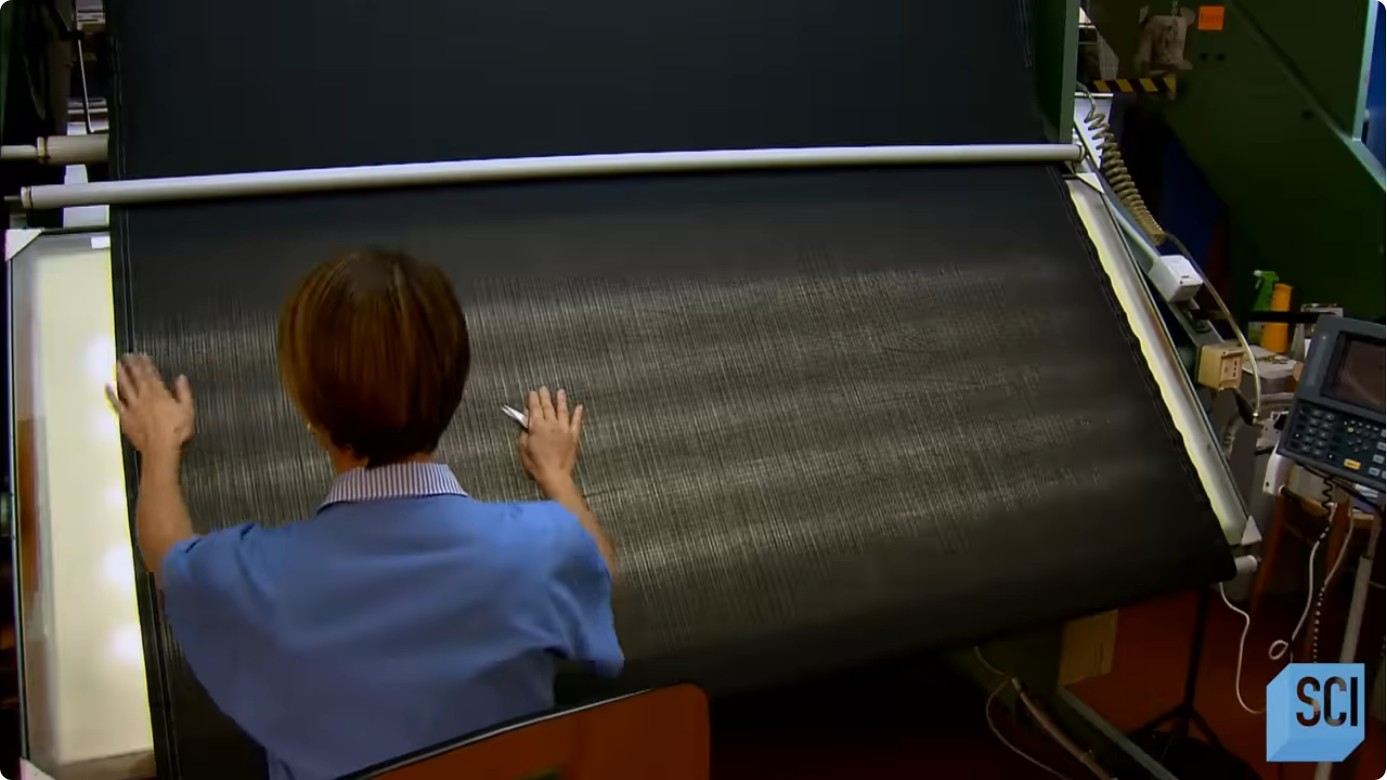
Corduroy is typically woven on a leno or open-weave backing. This means the warp yarns (the lengthwise yarns) are woven in a way that creates spaces between them. The weft yarns are then thrown over groups of warp yarns to form the pile. After weaving, a cutting mechanism slices the weft loops on one side, creating the free-standing pile ridges. The wide wale variation simply uses thicker weft yarns and spaces them further apart in the weaving process. The base fabric (the “backing”) is often a simple plain weave, providing stability and anchoring the pile.
The wide-wale construction imparts specific, measurable properties:
While traditional wide wale corduroy is 100% cotton, modern versions are frequently blended to enhance specific properties:
| Blend Type | Common Ratio | Primary Effect | Typical Use Case |
|---|---|---|---|
| Cotton/Polyester | 60/40, 80/20 | Increased wrinkle resistance, faster drying, enhanced colorfastness, slightly reduced cost | Casual apparel, children’s wear, performance-inspired workwear |
| Cotton/Spandex | 98/2, 95/5 | Adds significant stretch and recovery for comfort and mobility | Structured trousers, activewear, fitted jackets |
| Cotton/Rayon | Varies | Softer drape, silkier hand, often a more pronounced sheen; less durable than pure cotton | Fashion apparel, upholstery where a softer look is desired |
| Organic Cotton | 100% or blended | Grown without synthetic pesticides; appeals to eco-conscious markets; properties similar to conventional cotton | Sustainable fashion brands, organic-certified products |
When sourcing, always check the exact fabric composition label, as it drastically affects care requirements and performance. For instance, a 5% spandex blend will require different handling than 100% cotton.
Choosing wide wale corduroy isn’t just about liking the look; it’s about matching the fabric’s inherent properties to the product’s functional demands.
Design Tip: When pattern cutting, always account for the nap. The pile direction affects how light reflects off the fabric, causing color shading. All pattern pieces must be laid in the same direction (“with the nap”) to avoid a patchwork of shades. This increases fabric consumption, so factor it into your yardage calculations.
Sourcing this fabric requires attention to detail that goes beyond just price per yard. The variability in quality is significant.
When communicating with suppliers or reviewing swatches, specify:
Examine a swatch critically:
For performance-sensitive applications (like uniforms), inquire if the fabric meets relevant standards, such as those from ASTM International for abrasion resistance (e.g., ASTM D3884) or colorfastness. Reputable suppliers will have this test data available.
Improper care is the fastest way to ruin a good corduroy garment. Following specific guidelines preserves its texture and shape.
The cardinal rule: turn the garment inside out. This minimizes friction on the pile from other garments and the machine drum, preventing “pilling” (those annoying fuzzy balls) and matting. Use a cold, gentle cycle with mild detergent. Avoid chlorine bleach, which can degrade cotton fibers and cause discoloration, especially on dark colors. For stains, treat the back of the pile if possible.
Tumble drying on low heat is acceptable for cotton blends, but air drying flat is always the safest method to prevent shrinkage and maintain the pile’s upright structure. If using a dryer, remove the item while still slightly damp to avoid over-drying and excessive wrinkling.
Iron corduroy with the pile facing down, using a medium-hot iron. Place a thin cloth (like a cotton handkerchief or pressing cloth) between the iron and the fabric to avoid creating shiny, crushed patches on the ridges. For heavy wrinkles, using steam can be effective, but avoid over-wetting the pile.
Store corduroy garments and upholstery in a cool, dry place. For long-term storage of clothing, use padded hangers to support the shoulders and prevent stretching. Avoid storing under heavy items that could crush the pile permanently.
Before you commit, run through this quick checklist. Answering “yes” to most indicates a good fit:
If you’re making a lightweight summer top, a flowing dress, or need a fabric that dries instantly, wide wale corduroy is likely the wrong choice. But for a durable, warm, character-filled piece where texture is a feature, not a bug, it’s an excellent and distinctive selection.
Final Thought: The charm of wide wale corduroy lies in its honest, substantial nature. It’s a fabric with history and heft. By respecting its construction—from the weave to the pile—and matching its properties to a suitable application, you can create or source products that are not only functional but also possess a timeless, tactile quality that synthetic blends alone cannot replicate.
More advice: What Is Spandex Made From? The Chemistry and Construction of a Modern Marvel