Address
304 North Cardinal
St. Dorchester Center, MA 02124
Work Hours
Monday to Friday: 7AM - 7PM
Weekend: 10AM - 5PM
Address
304 North Cardinal
St. Dorchester Center, MA 02124
Work Hours
Monday to Friday: 7AM - 7PM
Weekend: 10AM - 5PM
For apparel startups, established brands scaling production, and evenDIY enthusiasts tackling large projects, sourcing spandex fabric through wholesale channels is a critical pivot from retail markup to cost-effective manufacturing. But “spandex fabric wholesale” is not a single, simple transaction. It’s a complex sourcing ecosystem where understanding material science, supplier logistics, and minimum order quantities (MOQs) directly impacts your product’s performance, cost structure, and time to market. This guide cuts through the noise to provide a actionable framework for navigating spandex wholesale, from selecting the right blend to vetting suppliers and avoiding costly pitfalls.
Spandex—known as Lycra® in some regions and elastane globally—is the secret sauce behind modern stretch apparel. Its exceptional elasticity (typically 100-500% stretch with excellent recovery) makes it indispensable for activewear, swimwear, shapewear, and fitted fashion. However, pure spandex is rarely used; it’s almost always blended with other fibers like nylon, polyester, or cotton. The specific blend ratio, fabric construction (knit vs. weave), and finish determine the final product’s hand feel, durability, and suitability. When buying wholesale, you’re not just buying “stretchy fabric”; you’re investing in a precise engineered material.
Before diving into supplier catalogs, clarify these core requirements. This checklist prevents miscommunication and ensures quotes are comparable.
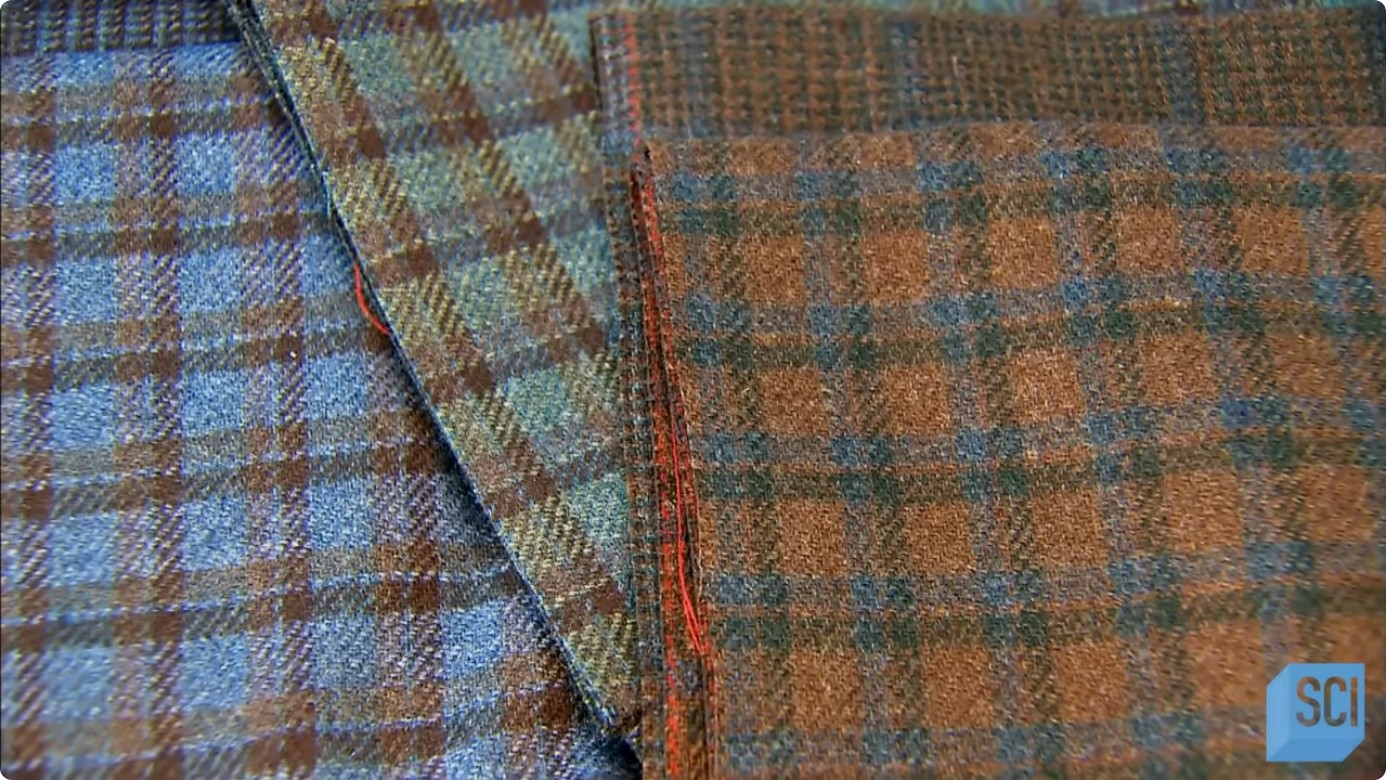
The term “spandex fabric” is a blanket statement. The power—and risk—lies in the blend. The carrier fiber (nylon, polyester, cotton) provides the majority of the fabric’s character, while spandex provides the stretch. Your choice here is the single most important technical decision.
Nylon (polyamide) is soft, lightweight, and has excellent drape. When blended with spandex (common ratios: 85/15 to 80/20), it creates a smooth, silky, and highly durable fabric ideal for high-performance activewear, dancewear, and luxury swimwear. It recovers well and resists abrasion. However, nylon can be more expensive than polyester and may absorb moisture slightly more, though modern treatments mitigate this.
Polyester is inherently more moisture-wicking, quick-drying, and UV-resistant than nylon. Polyester/spandex blends (e.g., 90/10 to 85/15) are the backbone of performance wear, outdoor apparel, and budget-friendly fashion. They are extremely colorfast and durable but can feel less soft and have a stiffer hand feel compared to nylon blends. They are also generally more affordable.
Blends like cotton/spandex (e.g., 97/3 to 95/5) or bamboo/spandex prioritize breathability and natural fiber comfort for casualwear, jeans, and basics. The stretch percentage is lower than synthetic blends due to lower spandex content and the nature of the knit. Be aware that natural fibers may shrink more, requiring pre-washed fabrics or garment sanforization.
| Blend Type | Common Ratio | Primary Properties | Typical Applications | Key Trade-off |
|---|---|---|---|---|
| Nylon/Spandex | 80/20, 85/15 | Soft hand, smooth drape, excellent recovery, premium feel | High-end activewear, swimwear, dancewear, shapewear | Higher cost, slightly less moisture management vs. polyester |
| Polyester/Spandex | 90/10, 88/12, 85/15 | Durable, quick-drying, UV resistant, colorfast, cost-effective | Mainstream activewear, outdoor gear, fashion basics, uniforms | Can feel less soft, potential for pilling over time |
| Cotton/Spandex | 97/3, 95/5 | Natural breathability, familiar cotton feel, comfortable | T-shirts, jeans, casual dresses, underwear | Lower stretch/recovery, higher shrinkage risk, less durable |
Wholesale sourcing exists on a spectrum from high-volume commodity mills to specialized converters. Your position on this spectrum depends on your order size, technical needs, and desire for service.
Companies like Invista (Lycra®), Toray, and Hyosung produce the spandex fiber and often integrate into fabric manufacturing. Buying direct from a mill of this scale typically requires astronomical MOQs (often 10,000+ yards/meters per color/style) and is reserved for major brands with dedicated sourcing teams. The advantage is potentially the lowest unit cost and direct control over fiber and fabric specifications.
This is the most accessible and common channel for meaningful wholesale purchases. Converters buy greige (unfinished) fabric from mills, then finish it—dyeing, printing, applying special treatments—and hold inventory. Wholesalers like Fabric.com (now part of ASG), Mood Fabrics, or numerous B2B-focused regional suppliers operate here. They break mill rolls into smaller, salable increments. MOQs here can range from 10-50 yards for a stocked item to several hundred for a custom order. This tier offers a balance of reasonable minimums, variety, and technical support. You can often source specific, pre-defined blends and constructions without the mill-level commitment.
Platforms like Alibaba, Made-in-China, or Global Sources list thousands of fabric suppliers. This channel offers incredible variety and potentially very low costs, but it comes with significant due diligence burden. You are often dealing with trading companies or smaller factories. Critical challenges include: verifying actual production capacity, ensuring sample quality matches bulk production, navigating complex international logistics, and managing quality control from afar. This path is for experienced buyers or those willing to invest heavily in vetting and possibly using third-party inspection services.
This is a fundamental trade-off. Domestic suppliers (U.S., EU, Turkey) offer shorter lead times (4-8 weeks), easier communication, higher perceived quality control, and simpler logistics. International sourcing, primarily from Asia, offers significantly lower unit costs but comes with longer lead times (8-16+ weeks), language/cultural barriers, complex shipping (Incoterms), import duties, and greater quality variance. For a new brand, starting with a domestic converter to perfect your fabric spec and fit is a prudent risk-mitigation strategy before moving production offshore.
Understanding the commercial mechanics is as important as the fabric specs.
MOQs are non-negotiable for most wholesale suppliers. They are set by production run efficiency—the cost to set up a dyeing vat, a knitting machine, or a finishing line. For spandex blends, MOQs are often color-based. A supplier might have a 500-yard MOQ per color for a stocked knit, but a 2,000-yard MOQ for a custom-dyed version. Always ask: “What is the MOQ per style and per color?” If your needs are smaller, look for suppliers who specifically market to sample-makers and small businesses, or consider pooling orders with other brands through a group-buy program.
Also read: What is Cotton Interlock? A Practical Guide to the Double-Knit Fabric
A quoted price of $3.50/yard is just the starting point. Factor in:
Never assume bulk production matches your approved sample. Implement a simple QC protocol:

The terms “recycled,” “sustainable,” and “performance” are ubiquitous but poorly regulated in textiles. As a buyer, you must ask for proof.
Recycled Content: Ask for the specific percentage and source (e.g., “rPET from post-consumer plastic bottles” vs. “pre-consumer nylon waste”). The Textile Exchange maintains standards like the Global Recycle Standard (GRS) that provide certification. A fabric labeled “eco-friendly” with no certification is a red flag.
Performance Finishes: Claims like “moisture-wicking,” “antimicrobial,” or “UV protection” should be backed by test data. Ask for lab reports. A finish can wash out after 10-20 cycles. Understand the difference between a fiber-inherent property (polyester is naturally moisture-wicking) and a chemical finish applied to the surface (which may degrade).
Spandex Biodegradability: Traditional petrochemical-based spandex is not biodegradable. Some brands now offer “bio-based” or “partially biodegradable” spandex options (e.g., from companies like Roica™). Investigate the actual lifecycle claims. For most applications, durability and longevity are the primary sustainability metrics.
Even with a perfect spec, real-world challenges arise.
When comparing quotes from multiple suppliers, don’t just look at the per-yard price. Create a comparison table that includes:
The lowest nominal price often comes with the highest risk, longest lead time, or poorest communication. For a first critical order, paying a 10-15% premium for a reliable domestic converter with clear communication is usually money well spent.
Sourcing spandex fabric wholesale is not a one-off purchasing task; it’s a continuous strategic function. The best relationships are built on clear specifications, mutual understanding of constraints, and transparent communication. Start small, validate meticulously, and document everything. Your fabric is the foundational element of your product’s feel, fit, and performance. Investing time in getting the wholesale sourcing process right pays dividends in customer satisfaction, reduced returns, and a stronger brand reputation for quality.