Address
304 North Cardinal
St. Dorchester Center, MA 02124
Work Hours
Monday to Friday: 7AM - 7PM
Weekend: 10AM - 5PM
Address
304 North Cardinal
St. Dorchester Center, MA 02124
Work Hours
Monday to Friday: 7AM - 7PM
Weekend: 10AM - 5PM
When you see the term “100 jersey knit cotton fabric,” it’s describing a very specific and widely used textile. It means the fabric is constructed using the jersey knit stitch and is composed of 100% cotton fibers. This isn’t a blend; it’s pure cotton in a knit construction. Understanding this distinction is crucial because it directly determines the fabric’s hand feel, performance, care requirements, and ideal applications. For designers, manufacturers, and even savvy consumers, knowing exactly what you’re dealing with separates successful projects from costly material mismatches.
This guide will break down the mechanics of jersey knit, explore the inherent qualities of 100% cotton within that structure, compare it to common blends, and provide practical advice for sourcing and using this foundational fabric. Whether you’re selecting material for a basic t-shirt, a newborn blanket, or a simple dress, the information here will help you make an informed decision.
Let’s separate the two key terms: “jersey” refers to the knit structure, and “100% cotton” refers to the fiber composition. A jersey knit is created on a circular knitting machine where a single yarn is interlooped to form a smooth, flat fabric with a distinct right side (typically with vertical ribs, or “courses”) and a reverse side that may look slightly bumpier. This is fundamentally different from a woven fabric like cotton poplin or denim, which is made by interlacing two sets of yarns (warp and weft) at right angles.
You may also like: The Practical Guide to Linen Cotton Fabric by the Yard
The “100% cotton” specification means no synthetic fibers like polyester or elastane (spandex/Lycra) are added to the yarn. The cotton fibers themselves can vary (e.g., combed vs. carded, ring-spun vs. open-end), which affects softness and durability, but the core composition is exclusively natural cellulose from the cotton plant. This purity gives the fabric its classic, breathable, and comfortable characteristics but also comes with specific limitations compared to performance blends.
The jersey stitch creates a fabric with a natural amount of stretch, primarily in the width (cross-grain direction). This 2-way stretch is due to the looped structure, not added elastic yarns. The degree of stretch depends on the gauge of the knitting machine (finer gauge = less stretch, denser fabric) and the yarn count. A lightweight, fine-gauge jersey will have more pronounced stretch than a heavyweight, coarse-gauge jersey. This inherent elasticity is why jersey is the undisputed king of comfortable, fitted garments like t-shirts and underwear.
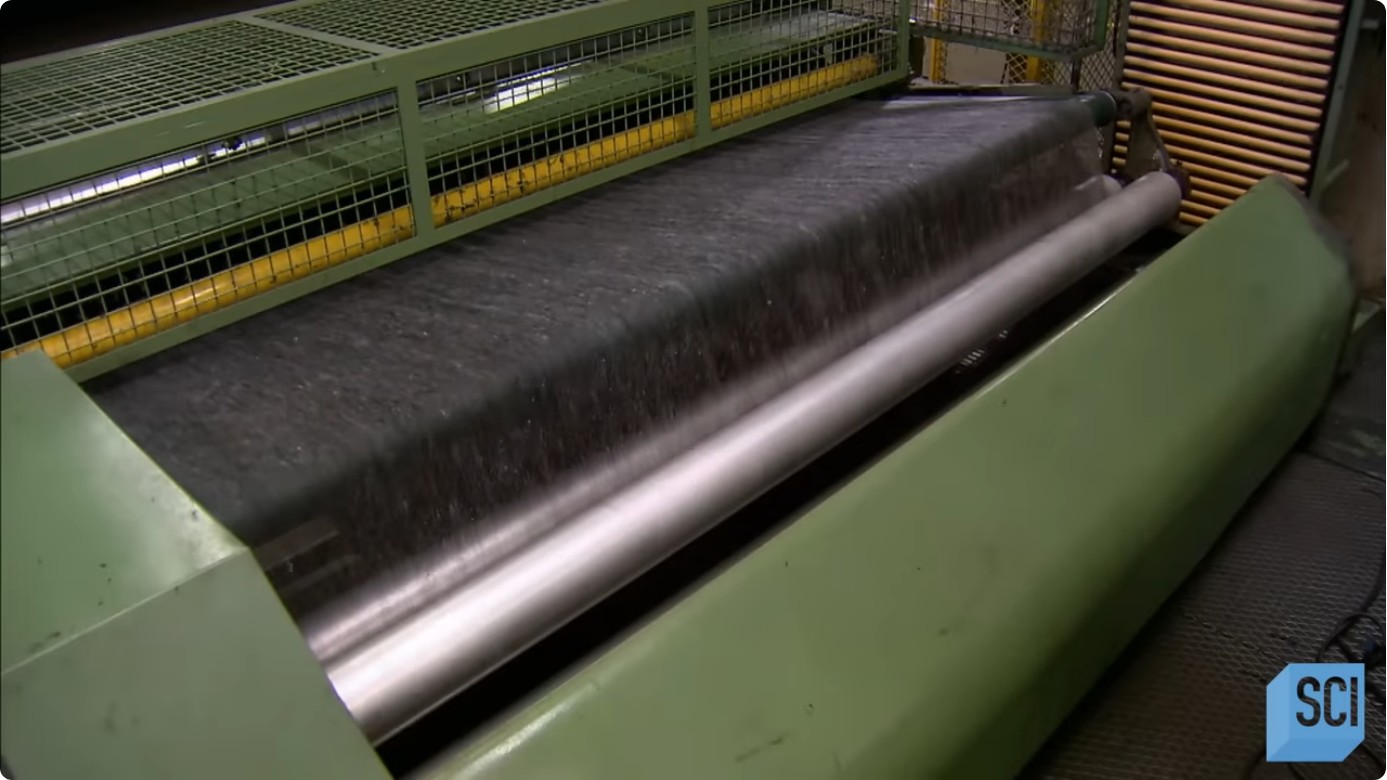
The combination of pure cotton and jersey knit yields a unique profile of benefits and drawbacks. Here’s a breakdown of what you can expect:
Blending cotton with synthetic fibers alters its performance to solve specific problems. Here is a comparison to help you choose the right material for your needs.
| Feature | 100% Cotton Jersey | Cotton/Polyester Blend (e.g., 60/40, 65/35) | Cotton/Spandex Blend (e.g., 95% Cotton / 5% Spandex) |
|---|---|---|---|
| Breathability | Excellent. Natural moisture absorption. | Good to Moderate. Polyester reduces moisture absorption. | Good. Similar to cotton, but spandex hinders airflow slightly in tight weaves. |
| Moisture Management | Absorbs but holds moisture; feels damp when sweaty. | Poor. Polyester repels water, pushing moisture to surface (can feel clammy). | Poor. Spandex is hydrophobic; the blend feels less breathable. |
| Shrinkage | High. Requires pre-shrinking. | Low to None. Polyester stabilizes the knit structure. | Low. Spandex has high recovery; cotton/poly base minimizes shrink. |
| Wrinkle Resistance | Low. Wrinkles significantly. | Good. Polyester adds wrinkle resistance. | Moderate. Depends on cotton/poly ratio; spandex helps recovery. |
| Durability & Pilling | Moderate. Pills with wear. | High. Polyester is abrasion-resistant and reduces pilling. | Moderate-High. Spandex can degrade with chlorine and heat. |
| Stretch & Recovery | Low-Moderate (2-way). Good stretch, minimal recovery. | Low-Moderate. Similar to cotton jersey. | High (4-way). Significant stretch and excellent recovery due to spandex. |
| Feel/Hand | Soft, natural, “breathable.” | Slightly synthetic, smoother, less breathable. | Very smooth, firm, compression-like feel. |
| Ideal Primary Use | Basic tees, loungewear, baby clothes, light dresses, sheets. | Workwear, uniforms, casual shirts, activewear basics. | Athletic wear, fitted activewear, swimwear, shapewear. |
Note: “Performance” fabrics often use additional treatments (e.g., moisture-wicking finishes, antimicrobial agents) regardless of fiber content.
Not all 100% cotton jersey is created equal. The quality variance is significant and affects the final product. When sourcing, whether from a fabric store, a wholesaler, or a direct mill, pay attention to these factors:
Buying wholesale fabric introduces new variables. Use this checklist:
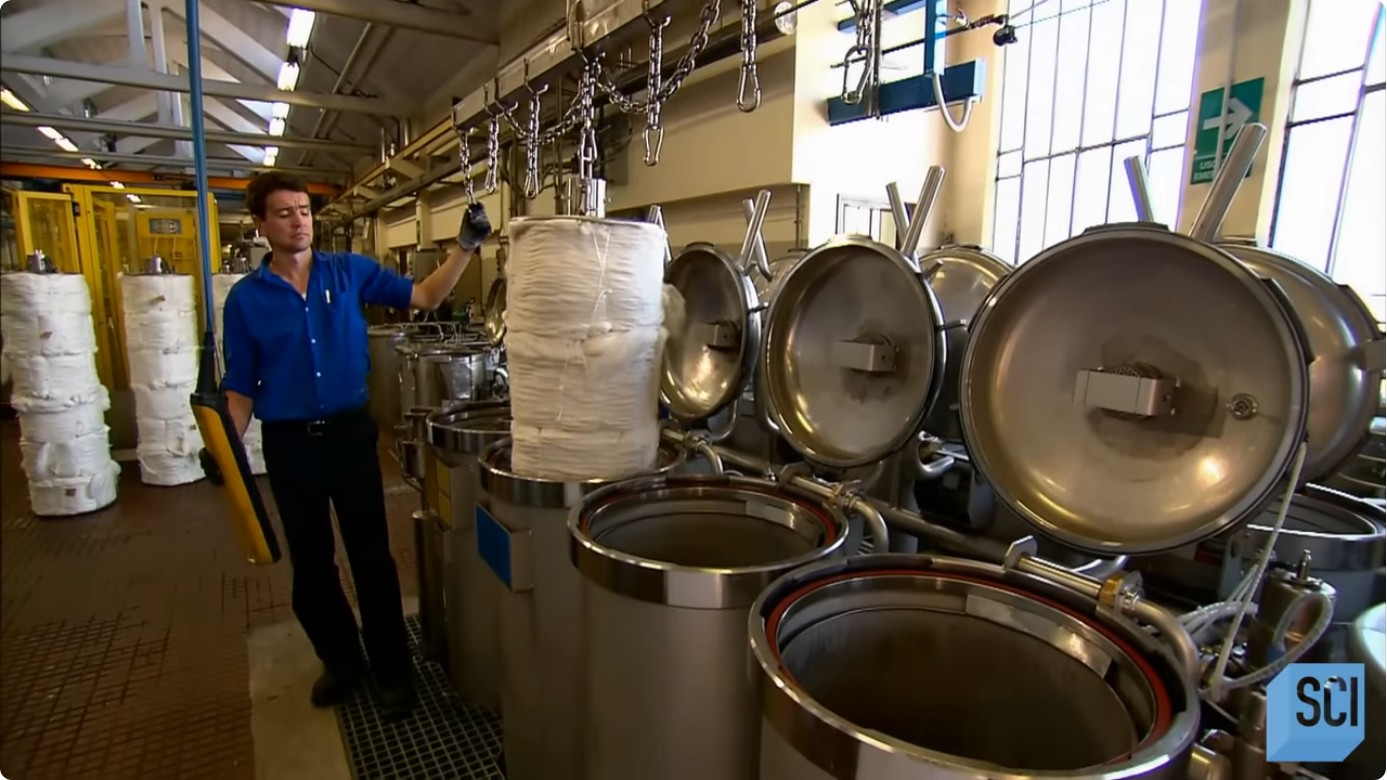
Choosing 100% cotton jersey is a deliberate choice for its natural feel. Here are scenarios where it excels and where it struggles:
Ideal For:
Challenging For:
Proper care dramatically extends the life of 100% cotton jersey and maintains its appearance. Follow these guidelines:
Is 100% cotton jersey suitable for a beginner sewer?
Yes, its stable nature (minimal stretch) makes it easier to handle than slinky synthetic knits for beginners. The main challenge is its tendency to stretch while sewing, so use a ballpoint needle and proper settings (a stretch stitch or serger). Pre-shrinking is a crucial beginner lesson.
How can I tell if a jersey is high-quality just by feel? Look for a smooth, dense surface without slubs (thick, nubby yarns). It should feel soft, not scratchy (indicating carded, not combed). Pull it gently; high-quality jersey will recover slightly without distorting permanently. It should also be opaque enough that you can’t easily see your hand through it when held taut.
What is the difference between “single jersey” and “double jersey”? Single jersey is what most people picture—one layer of loops. It can curl at the edges. Double jersey (or interlock) is two layers of jersey knit together back-to-back. It is thicker, more stable, doesn’t curl, and has better durability and warmth. It’s common for higher-quality t-shirts and baby garments.
Can I use 100% cotton jersey for upholstery? No. While durable for apparel, it lacks the abrasion resistance (measured in Wyzenbeek or Martindale tests) and UV stability required for upholstery. For furniture, you need a woven, heavy-duty fabric, often with a synthetic blend for durability and stain resistance.
You may also like: Heavy Cotton Fabric: A Practical Guide to Types, Uses, and Sourcing