Address
304 North Cardinal
St. Dorchester Center, MA 02124
Work Hours
Monday to Friday: 7AM - 7PM
Weekend: 10AM - 5PM
Address
304 North Cardinal
St. Dorchester Center, MA 02124
Work Hours
Monday to Friday: 7AM - 7PM
Weekend: 10AM - 5PM
If you’ve ever browsed fabric for a sewing project or sourced materials for apparel production, you’ve almost certainly encountered the term “60 wide fabric.” It’s one of the most common widths in the textile world, but its ubiquity doesn’t automatically mean it’s the right choice for every task. The number refers to the fabric’s width across the bolt, measured in inches—in this case, 60 inches from selvedge to selvedge. While that might seem like a simple specification, this standard width has profound implications for pattern layout, material cost, project suitability, and sourcing strategy. Choosing correctly can mean the difference between an efficient, cost-effective build and a frustrating, wasteful one.
This guide cuts through the ambiguity. We’ll explore why 60 inches became a benchmark, exactly what kinds of projects thrive with this width, where it creates problems, how to source it intelligently, and the critical trade-offs to weigh against narrower or broader options. By the end, you’ll have a clear mental model for deciding if 60 wide fabric is your ideal material or if another width better serves your specific goal.
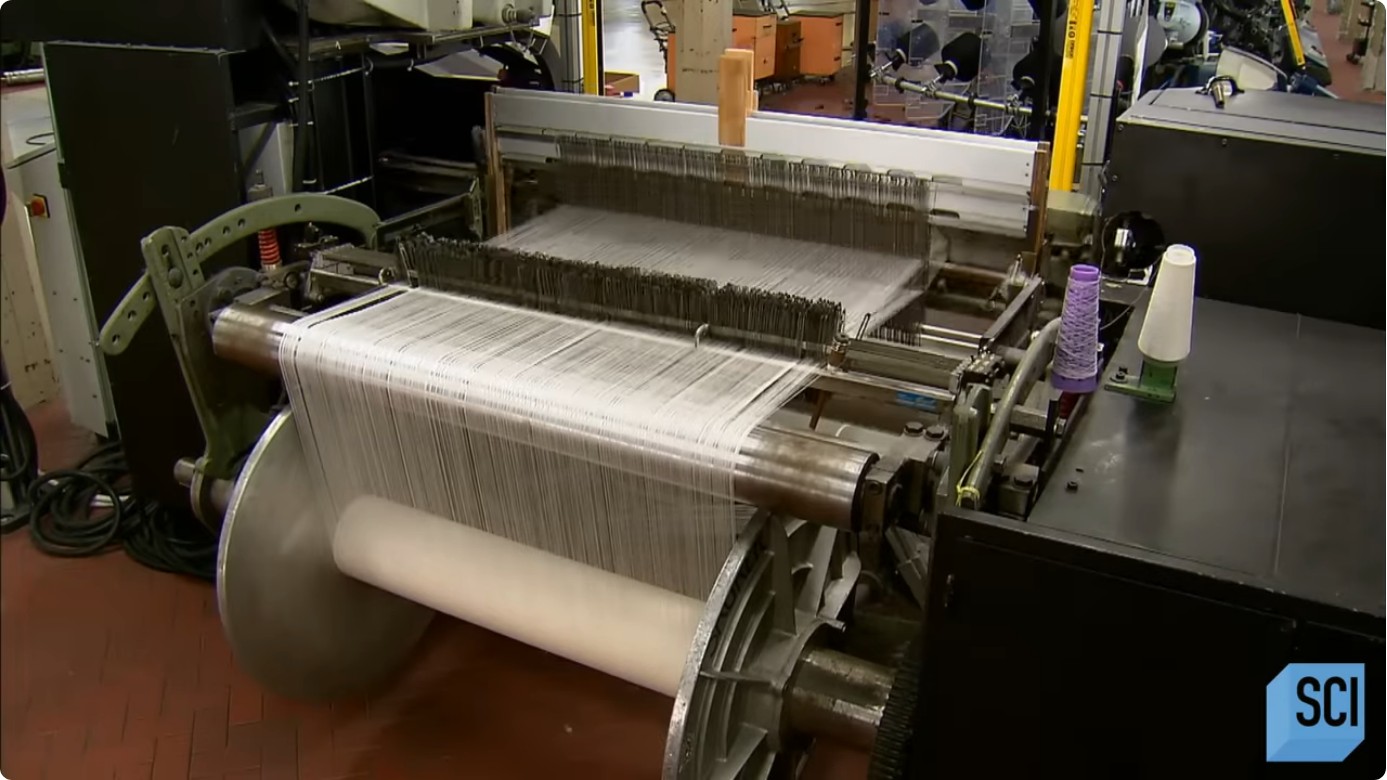
The dominance of 60-inch fabric isn’t arbitrary. It stems from a combination of manufacturing efficiency and historical pattern-making conventions. Power looms, particularly those producing woven textiles like cotton, polyester, and blends, are often optimized for this width. It represents a balance between maximizing yield per bolt and accommodating the human body’s dimensions for apparel. Most commercial sewing patterns for shirts, dresses, trousers, and jackets are designed with 45-inch or 60-inch fabric in mind, with 60″ offering more layout flexibility.
Think of it as the “full-size sedan” of the fabric world—versatile, widely available, and suitable for the majority of everyday tasks. It’s the default for many apparel fabrics, from cotton shirting to lightweight wool suiting. For home textiles, it’s common for curtains, lighter upholstery, and bed linens. Its prevalence means competition among suppliers is high, which often translates to better availability and competitive pricing for standard goods.
This width is exceptionally well-suited for projects where pattern pieces are wide or where you need to maximize the number of pieces cut per layer. The extra width provides generous “real estate” for efficient nesting of pattern pieces, reducing fabric waste.
A practical example: If you’re making a simple A-line dress from a commercial pattern, a 60″ width will typically allow you to layout the front, back, and sleeve pieces on a single fabric length with room to spare. The same pattern on 45″ fabric might force you to cut the skirt front in two pieces and join them, adding an unwanted seam.
Despite its versatility, 60″ is not a one-size-fits-all solution. There are clear scenarios where a narrower or wider fabric is objectively better.
Remember, the “usable width” is slightly less than 60 inches because the selvedge (the tightly woven edge) is typically not used in construction. You usually lose 0.5 to 1 inch on each side. So your actual working width is about 58-59 inches. Always check the manufacturer’s spec sheet.
Sourcing 60″ fabric efficiently depends entirely on your scale and project type. The strategy differs vastly between a home sewer and a fashion brand.
Practical Sourcing Tip: Always order a physical swatch before committing to a large purchase. width, hand (feel), drape, and color can vary between dye lots. A swatch allows you to test the fabric for your intended use and verify the true 60″ width post-selvedge.
To clarify the decision, here is a comparison of common fabric widths and their typical use cases. “60” is included for context.
| Width | Most Common Uses | Primary Advantages | Key Limitations |
|---|---|---|---|
| 36″ – 45″ | Basic apparel (shirts, blouses), quilting, crafts, children’s clothes, ties. | Lower cost per yard for small projects; less bulky for storage; patterns often designed for it. | Limited layout space; may require piecing for larger pattern pieces; more seams in final product. |
| 58″ – 60″ | General apparel (dresses, skirts, trousers), home decor (curtains), light upholstery, quilting backing. | Versatile “standard”; efficient layout for most adult apparel; minimizes seams; widely available. | Overkill for narrow items; may still be too narrow for very large-print repeats or wide furniture. |
| 72″ and wider | Heavy upholstery, drapery (for tall windows), bridal gowns, theatrical canvas, industrial covers. | Can cut large pieces (sofa cushions, long drapery panels) without seams; essential for some formalwear. | Much higher cost; less common; harder to handle and store; often sold only to trade/professionals. |
This table underscores that 60″ is a strategic middle ground. It’s not the cheapest for small jobs, nor the most capable for giant ones, but it’s the most broadly applicable for general-purpose sewing and small-batch production.
Before you buy, run through this quick checklist. A “yes” to most points suggests 60″ is a strong candidate.
If you answered “no” to several of these, particularly the first two, a 45-inch or other width is likely more appropriate and economical.
Choosing a fabric width often triggers a few natural follow-up questions that get to the heart of practical execution.
“My pattern is for 45-inch fabric. Can I just use 60-inch and save fabric?”
Often, yes, and you should. You’ll almost certainly need less fabric length because you can lay more pieces out across the width. However, you must do a full layout on paper first. Ensure all pieces fit within the 60″ dimension and that the grainline (the line parallel to the selvedge) is correctly aligned. Be prepared for the pattern pieces to be spaced differently, which can affect the drape if the fabric has a nap or directional print.
“How much extra fabric should I buy for a 60-inch width?
For standard apparel on a 60″ width, the pattern’s fabric requirement estimate (usually given for 45″) is often overestimating. You might need 10-25% less. But never trust this blindly. Do a trial layout with your specific pattern paper and a measuring tape. For large-print fabrics, add 0.5 to 1 extra yard to allow for matching, regardless of width.
“Is 60-inch fabric always more expensive than 45-inch?”
No. Per yard, a 60-inch bolt of the same base material (e.g., 100% cotton shirting) is often the same price or only slightly more than a 45-inch bolt. You are buying more fabric width, so the cost per square yard can be comparable or even lower. The real cost difference appears when you consider the total project. You may buy fewer total yards for a 60″ layout, potentially making the overall cost similar or even less, despite the slightly higher per-yard rate.
“Where can I find reliable width specifications?”
Always refer to the product listing from your supplier. Reputable fabric retailers will list the “finished width” or “usable width.” For generic standards, the Federal Citizen Information Center’s textile guide outlines common commercial widths. For technical textiles, consult the specific manufacturer’s datasheet, which will state the precise width tolerance.
Ultimately, the “60 wide fabric” question is a proxy for a more important one: “What is the most efficient, cost-effective, and aesthetically pleasing way to turn my raw material into a finished product?” By understanding the geometry of your bolt and the geometry of your pattern, you answer that question with confidence.