Address
304 North Cardinal
St. Dorchester Center, MA 02124
Work Hours
Monday to Friday: 7AM - 7PM
Weekend: 10AM - 5PM
Address
304 North Cardinal
St. Dorchester Center, MA 02124
Work Hours
Monday to Friday: 7AM - 7PM
Weekend: 10AM - 5PM
When you reach for a classic polo shirt or a comfortable baby onesie, you’re likely touching a fabric with a distinct, subtle texture. That texture is often the hallmark of pique knit, a construction method that creates a raised, geometric surface pattern. But pique is more than just a look; its unique structure influences everything from comfort and drape to care requirements and ideal applications. For designers, sewists, and informed consumers, understanding what pique knit truly is—and what it isn’t—is key to selecting the right fabric for the job. This guide cuts through the basics to explore the construction, properties, and practical decision-making around pique knit fabrics.
Often confused with a fiber type (like cotton or polyester), pique is actually a knitting technique. This distinction is crucial because you can have a 100% cotton pique, a polyester pique, or a blend. The defining characteristic is the weave-like texture formed by the knit structure itself, which sets it apart from smooth jersey knits. We’ll break down how that texture is created, what it means for performance, and where pique shines—or falls short—in real-world apparel.
The signature “pique” look—a series of small, raised squares or diamonds—isn’t printed or embroidered. It’s an inherent part of the fabric’s knit structure. This is achieved through a specific technique that uses multiple yarn feeds and a variation in stitch length.
Pique is most commonly created using a tuck stitch on a double-needle or V-bed knitting machine. In simple terms:

This structure means the fabric has a front and a back. The “face” shows the pronounced texture, while the back has a flatter, more connected appearance. The density and size of the texture pattern can be adjusted by the machine’s program, allowing for fine or coarse pique effects.
The tuck stitch construction gives pique knit a unique set of characteristics that directly affect how it feels, wears, and performs. These are not just aesthetic notes but functional traits.
The raised texture makes pique fabric feel noticeably more structured and substantial than a similarly weighted jersey knit. It has a dry, crisp hand rather than a soft, fluid one. This structure also gives it a stiffer drape; it doesn’t hang as softly but holds its shape better. For a polo collar or a tailored short-sleeve shirt, this is a benefit, providing definition. For a flowing dress, it might be undesirable.
The textured surface creates thousands of tiny air channels between the raised squares. This significantly enhances air circulation and moisture wicking compared to a smooth, dense jersey. The texture allows sweat to evaporate more readily from the skin’s surface, making pique a popular choice for activewear and warm-weather casual wear. However, this benefit is highly dependent on the base fiber. A 100% polyester pique will wick differently than a cotton pique, which absorbs moisture but can feel heavier when damp.
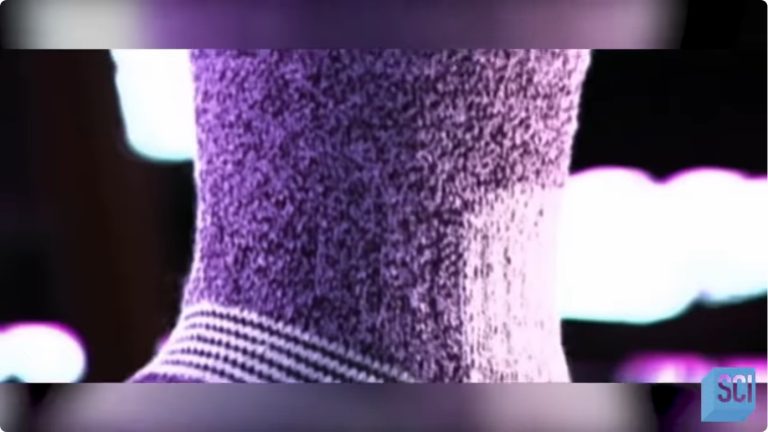
The interlocked structure of the tuck stitches generally makes pique more resistant to runs and snagging than a plain jersey. It’s also typically more opaque, which is why it’s a favorite for baby clothes and undershirts where show-through is a concern. The fabric can, however, be prone to pilling on the textured surface over time, especially if made from shorter-staple cotton or lower-grade synthetics.
Its blend of casual comfort, subtle texture, and functional breathability has cemented pique’s place in specific garment categories.
To clarify pique’s position, it’s helpful to compare it directly to the most common knit: jersey. The difference is in the knit structure, not the fiber content.
| Feature | Pique Knit | Jersey Knit |
|---|---|---|
| Surface Texture | Pronounced, raised geometric pattern (waffle/honeycomb). | Smooth, flat surface. |
| Hand & Drape | Crisper, more structured, less fluid drape. | Softer, more fluid, and drapey. |
| Breathability | High, due to textured air channels. | Moderate to low, depends on weight and fiber. |
| Opacity | Generally more opaque. | Can be sheer, especially in lightweight versions. |
| Stretch & Recovery | Good stretch, but recovery can vary; structure may limit extreme stretch. | Excellent stretch and recovery, especially with Lycra®/spandex blends. |
| Common Uses | Polos, babywear, casual dresses, performance tops. | T-shirts, dresses, loungewear, underwear, base layers. |
The knitting technique defines pique, but the fiber content defines its performance. You will find pique in virtually every apparel fiber.
Whether you’re ordering fabric by the yard from a mill or buying blanks for garment printing, several factors determine quality and suitability.
Helpful tip: Knit Sewing Patterns: A Practical Guide to Fit, Fabric, and Construction
Use this checklist to evaluate a pique knit fabric sample:
Pique’s texture can be compromised by improper care. The raised loops are susceptible to snagging and flattening.
Pique knit is not a universal upgrade over jersey; it’s a specific tool. The decision to use it involves clear tradeoffs.
You choose pique when you need:
You might avoid pique when you need:
Ultimately, pique’s value is in its textural character and functional breathability. It solves the problem of needing a casual, comfortable knit that still looks intentional and performs well in warmth.
Is pique knit suitable for formal wear?
Not typically. While it is dressier than a standard jersey tee, pique’s textured surface is inherently casual. It is inappropriate for formal business attire or evening wear but can be acceptable for “business casual” environments, especially in high-quality cotton.
Can you print directly on pique fabric?
Yes, but it requires adjustment. The textured surface can interfere with very fine detail in screen printing or direct-to-garment (DTG) printing. Discharge printing or using a thicker ink deposit often works best to fully cover the texture. Always test with your specific printer and fabric.
Does pique shrink a lot?
It depends on the fiber. 100% cotton pique can shrink significantly (3-7%) if not sanforized®. Polyester has minimal shrinkage. Always check the supplier’s specifications and pre-wash fabric if necessary before cutting.
Is pique the same as French terry?
No. French terry is a knit fabric with a looped, terry-like texture on one side and a smooth knit on the other. Pique has a consistent, non-looped geometric pattern on the face and a flatter back. They are different constructions with different feels and uses.