If you’ve ever reached for a comfortable hoodie, a pair of yoga pants, or a relaxed-fit towel, you’ve likely encountered French terry. It’s the workhorse fabric of modern casual and athletic wear, prized for its unique balance of comfort, absorbency, and structure. But what exactly is French terry material, and what makes it different from a simple sweatshirt knit or a plush fleece? Understanding its specific construction and properties is crucial for designers, brand owners, and savvy consumers alike, as it directly impacts garment performance, cost, and consumer satisfaction.
This guide moves beyond the basic definition to explore the technical details, practical applications, and sourcing considerations of French terry. We’ll break down its looped construction, compare it to similar fabrics, and outline the key decision points you’ll face when selecting it for a project or purchase.
What Matters Most About French Terry
Before diving into the weave, it’s helpful to internalize the core characteristics that define French terry and drive its popularity. Think of these as your primary filters when evaluating this fabric:
The Signature Loop: French terry is a weft-knit fabric (like most jersey) that features loops of yarn on one side (the face) and a smooth, flat back (the reverse). This looped terry texture is its defining feature.
Two-Sided Personality: The smooth back side makes it suitable for garment panels where a clean finish is needed, while the looped side provides texture, absorbency, and cushioning.
Absorbency & Breathability: The loops create air pockets, allowing the fabric to wick moisture better than a tightly knit jersey and breathe more than a brushed or napped fleece.
Medium-Weight Structure: It typically offers more body and drape than a lightweight jersey but less bulk and stiffness than a heavy fleece.
The Technical Construction: How French Terry Is Made
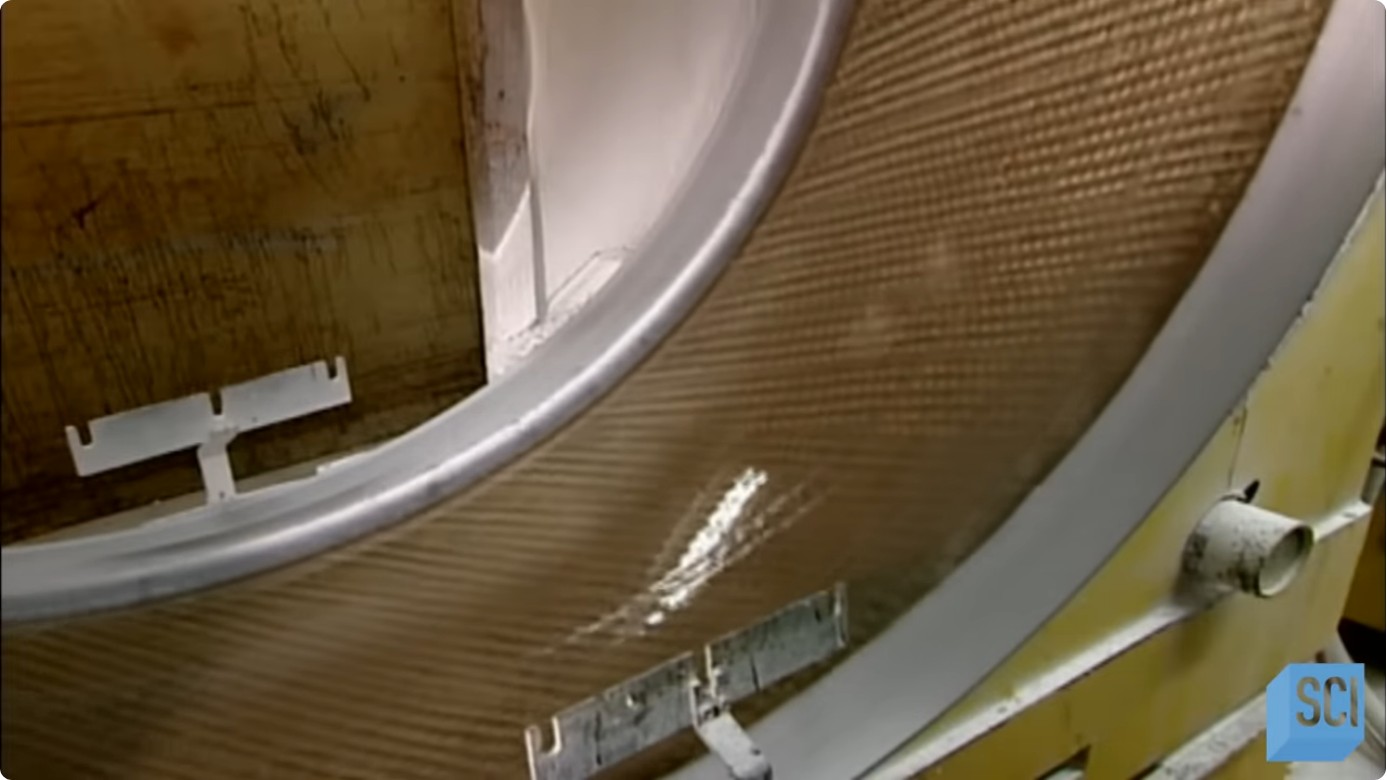
French terry’s identity is entirely in its knitting process. It is produced on a specialized circular knitting machine that uses two sets of yarns: the base yarn and the loop yarn. The base yarn forms the fundamental jersey-like structure of the fabric. The loop yarn is manipulated by the machine’s sliders or loopers to create the characteristic uncut pile loops on one side only.
This is the critical distinction from other terry fabrics:
French Terry: Loops are left uncut, creating a textured, pebbled surface.
Terry Velour (or Velour Terry): The loops are sheared or cut on the face side, then brushed, resulting in a softer, denser, and more plush surface often used for high-end robes and towels.
Fleece: Fleece is a completely different construction. A knit fabric is first created, then the surface is brushed to raise fibers and create a napped pile, or a synthetic yarn like polyester is knitted in a way that creates a deep pile that is then sheared. It lacks the distinct, uniform loop structure of French terry.
French Terry vs. Common Knit Fabrics: A Quick Comparison
Feature
French Terry
Jersey (Single Jersey)
Fleece
Primary Texture
Uncut loops on one side
Smooth on both sides
Brushed or sheared nap
Absorbency
High (from loops)
Low to Medium
Low (synthetic fleece)
Breathability
Good
Very Good
Poor to Fair
Warmth
Moderate
Low
High
Drape & Structure
Good structure, moderate drape
Excellent drape, less structure
Stiff, bulky structure
Material Composition: What Is French Terry Made Of?
While traditional French terry was made from cotton (often a cotton jersey with an extra cotton loop yarn), modern versions utilize a vast array of fibers and blends to achieve specific performance goals. The base fabric’s composition dictates most of the final garment’s care, feel, and function.
Common Fiber Blends
100% Cotton: Soft, highly absorbent, breathable, and biodegradable. It shrinks and may wrinkle more than blends. Ideal for towels, baby clothes, and eco-conscious basics. Look for organic cotton certifications for sustainability claims.
Cotton/Polyester Blend (e.g., 60/40, 80/20): The most common commercial blend. Polyester adds durability, wrinkle resistance, shrinkage control, and cost-efficiency. The higher the cotton content, the more breathable and soft the feel; higher polyester content increases durability and reduces fading.
Tri-Blends (Cotton/Polyester/Rayon): Rayon (often from bamboo or wood pulp) adds a luxurious drape, softness, and enhanced moisture management. These blends are popular for premium loungewear and athleisure but can be less durable and require gentler care.
Recycled Polyester (rPET): Made from plastic bottles. Used in place of virgin polyester for sustainability. Performance is nearly identical. Verify claims with standards like GRS.
Performance Blends: May include small percentages of spandex or elastane (2-5%) for stretch, or nylon for additional strength and quick-drying properties.
Fabric Weight (GSM) and Its Impact
Fabric weight, measured in grams per square meter (GSM), dramatically changes how French terry behaves. This is a key specification to request from suppliers.
Lightweight (200-280 GSM): Feels more like a thick jersey. Excellent for summer-weight hoodies, light yoga tops, and children’s wear. Less cozy, more breathable.
Mid-Weight (280-340 GSM): The sweet spot for most applications. Used for standard crewnecks, joggers, and pullovers. Offers a good balance of comfort, structure, and year-round versatility.
Heavyweight (340+ GSM): Thick, plush, and very warm. Used for cold-weather hoodies, robe coats, and heavy towels. Less drape, more stiffness.
Decision Point: A 320 GSM 100% cotton French terry will feel significantly different from a 320 GSM 80/20 cotton/poly blend. The blend affects hand feel, shrinkage, and durability as much as the weight does. Always request a physical swatch.
Practical Applications: Where French Terry Shines
Its unique profile makes French terry exceptionally versatile. Here are common use cases:
Athleisure & Activewear: Mid-weight blends with a small percentage of spandex are perfect for yoga pants, light joggers, and post-workout layers due to their softness, stretch, and moisture management.
Loungewear & Basics: The epitome of comfort. Hoodies, crewnecks, sweatpants, and relaxed dresses. The looped side is often used as the garment’s interior for a soft feel against the skin.
Children’s & Baby Apparel: Soft, durable, and easy to care for. The looped texture is gentle on sensitive skin.
Towels & Robes: Heavier, 100% cotton French terry (or terry velour) is used for hand towels, beach towels, and robes for its superior absorbency compared to flat-woven terry.
Home Textiles: Throw blankets, pillow covers, and upholstery where a textured, cozy feel is desired.
Caveat: French terry is generally not suitable for high-intensity sportswear (like running or high-heat training) where maximum moisture wicking and light weight are critical. Its loops can hold moisture, making it feel heavier when saturated. For that, a performance mesh or lightweight synthetic knit is better.
Sourcing and Selection Checklist
When sourcing French tery fabric—whether as a designer, manufacturer, or DIY enthusiast—use this practical checklist to avoid common pitfalls.
Define Your End-Use: Is it for a lightweight top or a heavy robe? This dictates GSM and fiber content first.
Request a Physical Swatch: Never rely solely on online images or GSM specs. Feel the hand, check the loop density, and evaluate the drape.
Confirm Knit Construction: Ask the supplier: “Is the loop on the face or the back?” This determines which side will be visible on your garment.
Ask About Shrinkage: Natural fibers, especially 100% cotton, will shrink. Get the expected shrinkage percentage (usually after laundering at 60°C/140°F) and build it into your pattern grading.
Check for Pilling Resistance: Ask the mill for pilling test results (e.g., ASTM D3512). Lower-grade cotton/poly blends can pill quickly, especially on the looped side where abrasion occurs.
Evaluate Colorfastness: For dark colors, request a colorfastness to laundering test (e.g., AATCC 61). Poor dye uptake will lead to fading and staining of other garments.
Verify Sustainable Claims: If using recycled or organic fibers, ask for certification numbers (GRS, GOTS, OCS) and confirm they are valid through the certifying body’s database.
Care and Longevity: Maximizing Your French Terry
Proper care is non-negotiable for preserving French terry’s softness and shape. The rules vary slightly by fiber content.
Washing: Turn garments inside out to protect the looped surface from abrasion. Use cold or warm water. For 100% cotton, a warm wash may be needed for soiled items but expect shrinkage.
Drying: Tumble dry on low heat or, ideally, air dry. High heat can set wrinkles, damage fibers, and exacerbate shrinkage.
Avoid Fabric Softeners: They coat the fibers, reducing absorbency (critical for towels) and can diminish the cozy hand feel over time. Use dryer balls instead.
Pilling Management: If pilling occurs on the looped side, use a fabric shaver carefully. Prevention through gentle washing and avoiding harsh abrasion (like rough surfaces) is best.
Frequently Asked Questions
Is French terry the same as fleece?
No. This is a common confusion. Fleece is a brushed or napped fabric with a fuzzy surface on one or both sides. French terry has distinct, uncut loops. Fleece is generally warmer and less breathable, while French terry is more breathable and absorbent.
Can I use French terry for a summer garment?
Yes, if you select a lightweight GSM (220-260) and a high-cotton or cotton/rayon blend. Its breathability from the loops can actually make it more comfortable than a dense, lightweight jersey in humid conditions.
What’s the difference between French terry and regular terry cloth?
“Terry cloth” typically refers to the looped fabric used for towels and robes, which is often woven (not knitted) and can have loops on both sides. French terry is specifically a knit fabric with loops on only one side. Woven terry is more absorbent but less stretchy and drapey.
Is French terry sustainable?
It depends entirely on the fiber content. 100% organic cotton French terry can be a sustainable choice. Blends with virgin polyester are less so. Look for certified recycled polyester (rPET) or linen/cotton blends for more sustainable options. The knitting process itself is relatively efficient, but dyeing and finishing have the largest environmental impact.