Address
304 North Cardinal
St. Dorchester Center, MA 02124
Work Hours
Monday to Friday: 7AM - 7PM
Weekend: 10AM - 5PM
Address
304 North Cardinal
St. Dorchester Center, MA 02124
Work Hours
Monday to Friday: 7AM - 7PM
Weekend: 10AM - 5PM
If you’ve ever pulled on a pair of leggings that move with you, zipped up a snug-fitting dress, or appreciated the recovery of a performance polo, you’ve experienced Lycra. It’s the secret behind the comfortable, body-hugging fit that defines so much of modern clothing. But what exactly is Lycra fabric? The answer is more precise—and more interesting—than most people assume. Lycra is not a fabric itself, but a specific brand of elastane fiber, a synthetic material engineered for exceptional stretch and recovery. Understanding this distinction is the first step to making informed choices about the garments you buy, design, or source.
This guide will demystify Lycra, explaining its chemical composition, how it works within blended fabrics, its ideal applications, and the practical considerations for care and sourcing. Whether you’re a consumer shopping for durable activewear, a small business owner sourcing materials, or a designer specifying performance textiles, knowing the facts about Lycra helps you evaluate quality, value, and suitability for the task at hand.
The single most common point of confusion is the relationship between Lycra and spandex. Lycra is a brand name, while spandex is the generic fiber name. Think of it like Kleenex for tissues or Xerox for photocopiers. The Lycra brand is owned by The Lycra Company (formerly part of Invista), and they produce a specific, high-quality elastane fiber. Other manufacturers produce chemically identical fibers under different brand names or as generic products, all correctly called spandex (known as elastane in Europe and elsewhere).
You may also like: Cotton With Spandex Fabric: A Practical Guide to Blends, Properties, and Sourcing
For the end consumer, the difference is often negligible in terms of basic stretch performance, as the underlying polymer chemistry is the same. However, the Lycra brand has invested heavily in research, performance coatings (like Lycra Sport for moisture management), and quality control, which can justify a premium price in performance apparel. When you see a care label stating “Contains Lycra” or a garment tag highlighting the Lycra fiber, it is a specific marketing and sourcing claim, not a different material. For sourcing purposes, specifying “Lycra brand elastane” versus “generic spandex” can affect cost, minimum order quantities, and technical support from suppliers.
Lycra is a synthetic polymer, primarily composed of a polyurethane-based copolymer. Its production involves a complex multi-step process: 1) Prepolymer formation: reacting macro-glycols with diisocyanates. 2) Chain extension: adding a diamine to create the solid polymer. 3) Solution preparation: dissolving the polymer in solvents like dimethylacetamide (DMAc). 4) Spinning: extruding the solution through a spinneret into a coagulating bath to form continuous filaments. 5) Drawing and finishing: stretching the filaments to align molecular chains (increasing strength and elasticity) and applying a finishing agent to reduce fiber friction and improve processing.
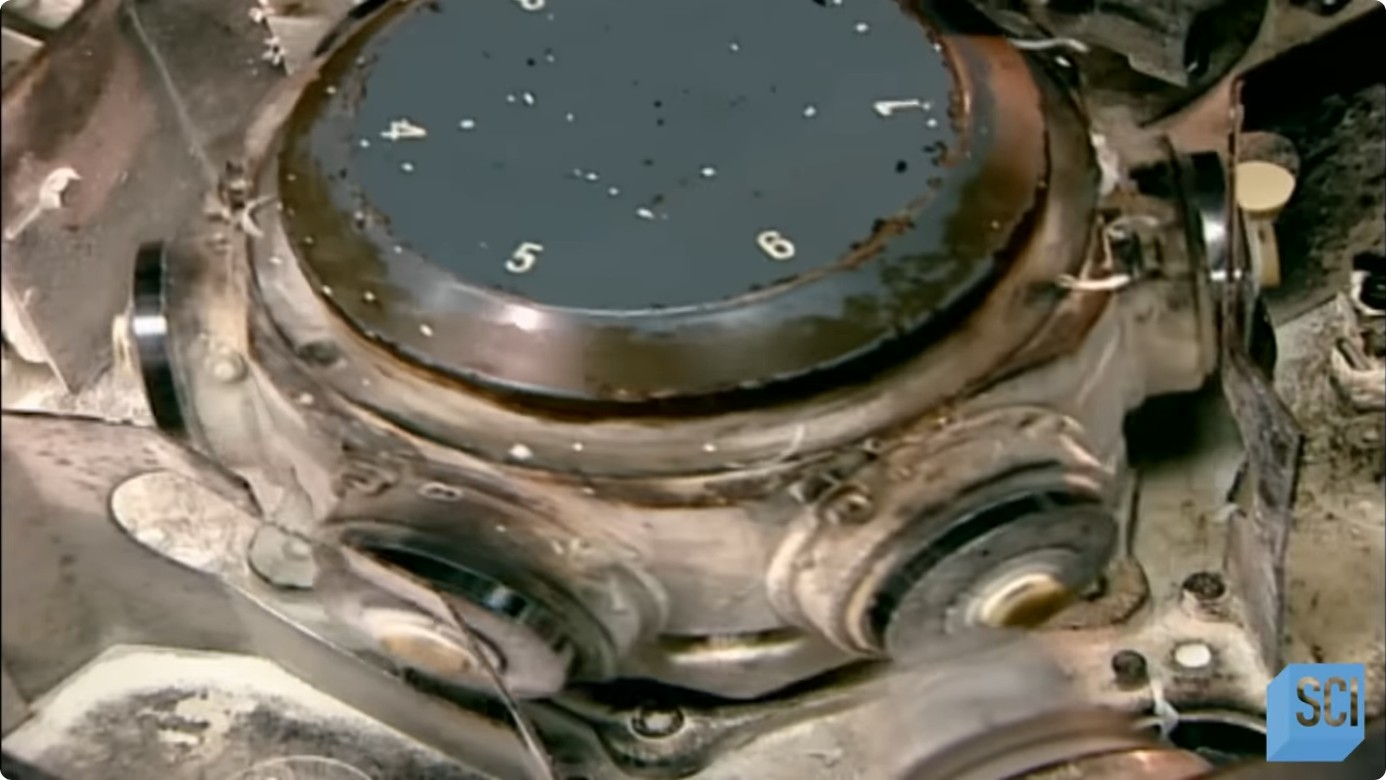
This manufacturing precision is what allows Lycra to consistently achieve a stretch of 300-500% and excellent recovery. The molecular structure consists of long, flexible “soft” segments (providing elasticity) and rigid “hard” segments (providing strength and recovery). When stretched, the soft segments uncoil; when released, the hard segments pull the chain back to its original shape.
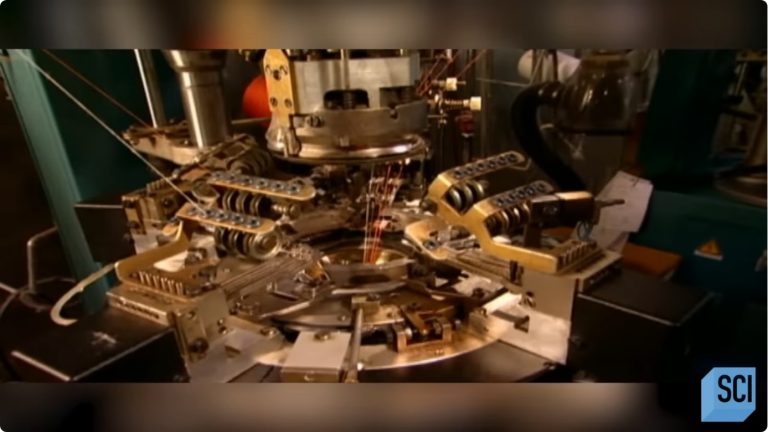
A common misconception is that a fabric’s stretch comes solely from the fiber. In reality, Lycra’s performance is unlocked by how it’s integrated into a textile. Elastane fibers are almost never used alone; they are covered or intermingled with other fibers (yarns) during the fabric formation process. The percentage of Lycra in a final fabric—typically ranging from 2% to 40%—dictates the level of compression, stretch, and shape retention. Here are the primary methods:
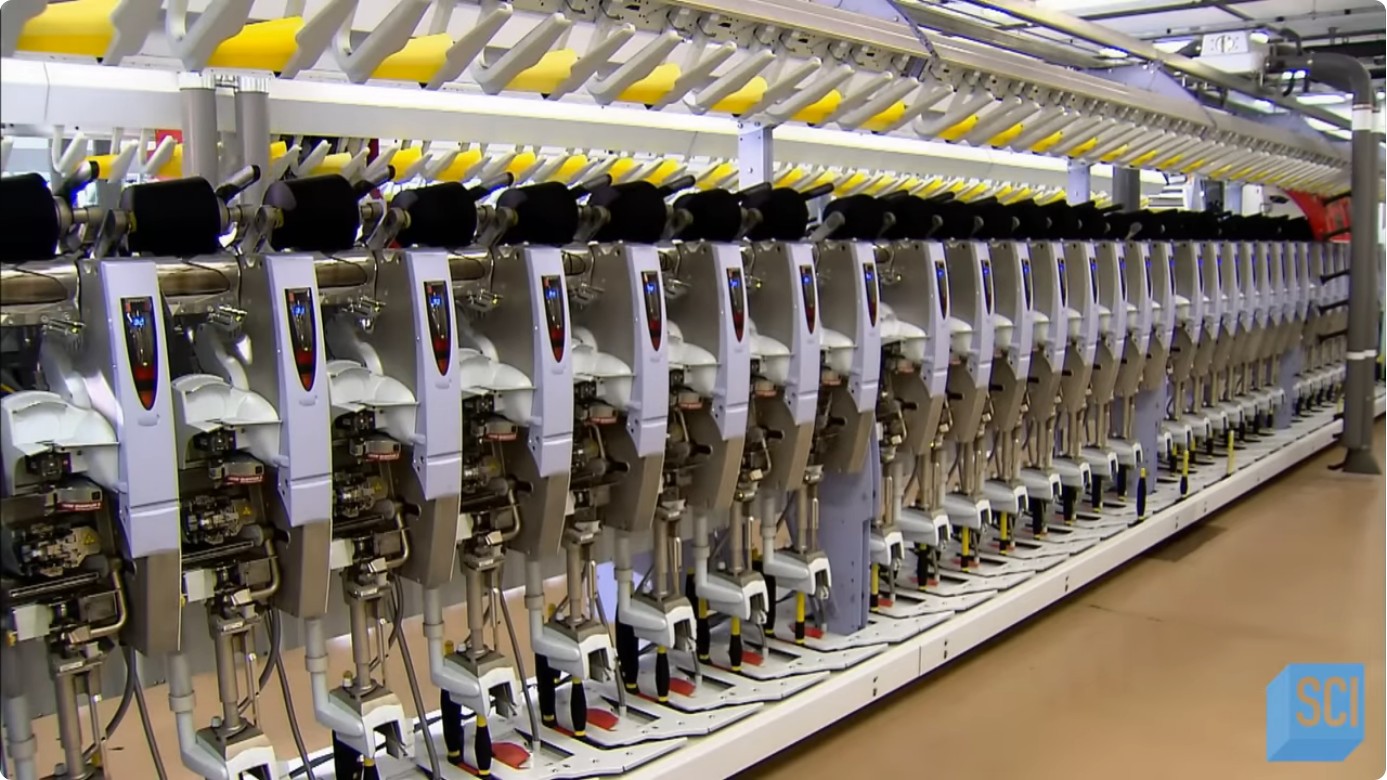
The choice of covering yarn (cotton for softness, polyester for durability and moisture-wicking, nylon for smoothness) and the fabric knit or weave structure (a jersey knit vs. a woven twill) are equally important in determining the final hand (feel), drape, and functional performance.
| Technology | Description | Typical Lycra Content | Key Characteristics | Common Applications |
|---|---|---|---|---|
| Core-Spun Yarn | Lycra filament core wrapped with other fibers | 5% – 30% | High durability, even stretch, stable, comfortable | Denim, woven shirting, performance knits, everyday basics |
| Lycra T400® Fiber | Two distinct polymers in one fiber (dual-core) | Fiber is 100% elastane blend | Excellent recovery, low creep, good chlorine resistance | Swimwear, high-performance activewear |
| Lycra HyFit® Fiber | Specialized soft-touch elastane | Lower percentages (3%-10%) | Ultra-soft hand, next-to-skin comfort, reduced compression | Lingerie, loungewear, premium casual wear |
| Rubber/Latex Thread | Natural or synthetic rubber cord | Varies, often in narrow widths | Very high initial stretch, poor recovery, degrades with sweat/chlorine | Leg bands, waistbands (legacy), swimwear (being phased out) |
Lycra’s integration has revolutionized categories beyond classic activewear. Its use is defined by the need for fit, freedom of movement, and shape retention.
Even the best Lycra-enhanced fabric has limits. The primary enemy of elastane is “creep” or permanent set—the gradual loss of elastic recovery when the fiber is stretched under tension for prolonged periods, especially when combined with heat, moisture, and chemicals.
To maximize the life of Lycra garments:
High-quality Lycra (e.g., Lycra T400®) is engineered for superior resistance to these factors, but all elastane will eventually lose some recovery over its lifetime. This is a trade-off consumers accept for performance. In professional garment construction, ensuring seams have adequate “give” and are not sewn with excessive tension is also crucial to prevent premature failure at the seam line.
For businesses, sourcing Lycra-containing fabric involves navigating the supply chain differently than for commodity textiles.
When requesting quotes or specifications, be precise. Instead of “stretch fabric,” specify:
This precision filters suppliers and ensures you get a fabric engineered for your specific performance need, not just one with a percentage of spandex. The Lycra Company’s official website offers extensive technical resources and a brand fabric directory, a valuable starting point for serious sourcing.
Choosing a Lycra-blended fabric isn’t automatic. Consider these decision points:
Can you feel Lycra in a fabric? In well-constructed core-spun yarns, you typically feel the outer fiber (cotton, polyester), not the Lycra core. However, in very high-stretch fabrics (e.g., 30%+ content) or with certain finishes, a slightly “rubbery” or tight feel on the skin can be perceptible, which is why soft-touch variants like Lycra HyFit® were developed.
Is 100% Lycra fabric a thing? Practically no for apparel. A 100% elastane fabric would be a rubber band—it would have no structure, poor comfort, and minimal durability. It is only used in very specific industrial applications. All apparel fabrics with Lycra are blends.
How does Lycra relate to sustainability? This is a complex area. The Lycra Company has launched Lycra® EcoMade fiber, made with a blend of recycled materials and bio-based content. However, the core challenge is that blending elastane with natural or recycled fibers complicates mechanical or chemical recycling processes for the final garment. The industry is researching solutions, but for now, the longevity benefits of a well-fitting, durable Lycra garment can be argued as a form of sustainability through reduced consumption, though this is not a full lifecycle solution.
What’s the difference between Lycra and Neoprene? They are fundamentally different. Neoprene is a closed-cell foam rubber, used for wetsuits and industrial gaskets. It is not a stretch fiber for clothing. Lycra is a filament fiber designed to be seamlessly integrated into textile structures.
Related guide: Scuba Knit Material: A Practical Guide for Designers and Sourcing