Address
304 North Cardinal
St. Dorchester Center, MA 02124
Work Hours
Monday to Friday: 7AM - 7PM
Weekend: 10AM - 5PM
Address
304 North Cardinal
St. Dorchester Center, MA 02124
Work Hours
Monday to Friday: 7AM - 7PM
Weekend: 10AM - 5PM
When you pull on a crisp cotton dress shirt, zip up a sturdy denim jacket, or smooth a linen tablecloth, you’re interacting with one of humanity’s oldest and most fundamental textile forms: woven fabric. But what exactly is woven fabric, and why does its construction matter for everything from comfort to durability? At its core, woven fabric is a textile created by interlacing two sets of yarns or threads at right angles. This interlacing—the warp (lengthwise threads held under tension) and the weft (crosswise threads woven through)—creates a stable, grid-like structure that defines the fabric’s character. Unlike knitted fabrics, which are formed from interlocking loops, woven fabrics have a clear, perpendicular grain that gives them their signature strength and shape retention. This guide cuts through the jargon to explain how woven fabrics are made, what makes different weaves unique, and how to choose the right one for your needs, whether you’re a sewist, a designer, or simply a curious consumer.
Understanding woven fabric isn’t just academic; it’s practical knowledge. The weave pattern directly influences a fabric’s drape, breathability, durability, and even its price point. A sateen weave feels luxuriously smooth against the skin, while a tight twill like denim can withstand decades of wear. By the end of this article, you’ll be able to look at a fabric label or swatch and make educated guesses about its performance, care requirements, and ideal applications.
Before diving into the details, here’s a quick snapshot of woven fabric fundamentals:
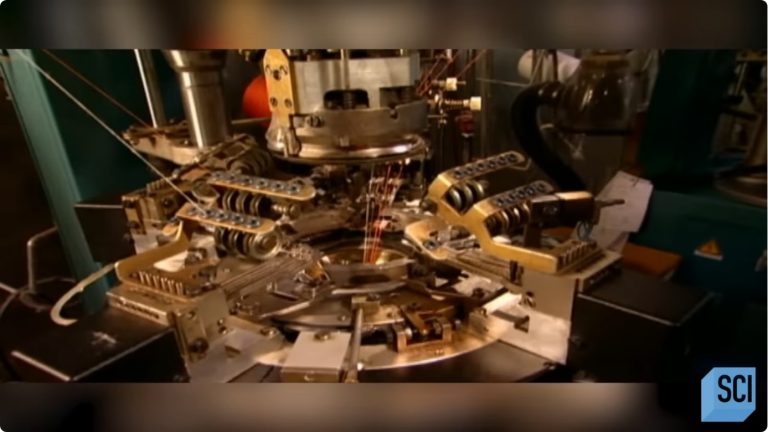
The magic of woven fabric happens on a loom, a device that holds the warp threads taut while the weft is inserted. While traditional handlooms are still used for artisanal textiles, modern production relies on high-speed shuttle or shuttleless (rapier, air-jet, water-jet) looms. The choice of loom and its settings dramatically impacts the fabric’s density and texture.
Every woven fabric begins with warp yarns, which are sized (coated with a starch-like substance) to withstand the immense tension on the loom. These run the length of the fabric bolt. The weft (or filling) yarns are shot or passed across the loom, interlacing with the warp. The relationship between these two—their fiber content, thickness (count), and how tightly they’re packed (ends per inch and picks per inch)—determines the fabric’s weight, strength, and opacity. For example, a lightweight voile has fewer yarns per inch than a heavy-duty canvas.
The weave pattern is controlled by the harness, a frame holding heddles that lift specific warp threads to create a shed (an opening) for the weft to pass through. The reed then beats the weft into place. By programming different harness movements, mills create the infinite variety of weave structures. This mechanical process is why woven fabrics have a consistent, repeatable pattern.
The three foundational weave structures account for the vast majority of woven fabrics. Each creates a distinct visual texture and set of performance characteristics.
| Weave Type | Construction Pattern | Visual & Tactile Feel | Key Properties | Common Examples |
|---|---|---|---|---|
| Plain Weave | Simple over-one, under-one crisscross. Most basic and stable. | Smooth, flat, often crisp. Can be sheer or opaque depending on yarn count. | Very durable, abrasion-resistant. Low elasticity. Shows wear evenly. | Chiffon, organza, canvas, poplin, percale, taffeta. |
| Twill Weave | Warp floats over 1+ wefts, then under 1+ wefts, with a step (offset) between rows. Creates a diagonal rib. | Drapes well, soft hand. Diagonal pattern is visible on face, often a different color on back. | Good strength and durability. Hides soil well due to diagonal texture. Some give along the diagonal. | Denim, gabardine, herringbone, tweed, cavalry twill. |
| Satin/Sateen | Long warp or weft floats over several threads, then under one. Creates a smooth surface with lustrous floats. | Luxuriously smooth, glossy (satin) or soft, matte (sateen). Can snag easily. | Less durable at seam lines (long floats can pull). Excellent drape. Can be slippery. | Silk satin, polyester satin, cotton sateen, barathea. |
A common point of confusion is the difference between woven and knit fabrics. This distinction is crucial for garment construction and performance.
The grid structure of a weave means it has minimal stretch in either direction—typically only what’s granted by the yarn’s natural elasticity (e.g., a small amount from a cotton/spandex blend). Knits, formed by interlocking loops, can stretch dramatically, often 30-50% or more, and recover due to the loop structure’s memory. This makes knits ideal for activewear and form-fitting garments, while wovens excel in structured pieces like trousers, blazers, and button-down shirts that need to hold a shape.
Woven fabrics are dimensionally stable; they don’t distort easily during wear or laundering. However, when cut, they are prone to fraying at the raw edges and must be finished with a seam. Knits, while stable on-grain, can run if a loop is pulled, but their raw edges don’t fray in the same way—they curl.
| Consideration | Woven Fabric | Knit Fabric |
|---|---|---|
| Primary Use Case | Structured apparel (suits, dresses), home textiles, workwear. | Activewear, casual wear (t-shirts, leggings), soft drapey garments. |
| Comfort & Fit | Requires ease for movement; comfortable fit relies on pattern design and woven give. | Inherent stretch provides comfort and ease with less pattern shaping. |
| Durability | High tensile strength and abrasion resistance, especially in tight weaves. | Can be durable but is more susceptible to snagging and pilling. |
| Care & Handling | Prone to wrinkling; often requires ironing. Shrinkage potential varies by fiber. | Generally wrinkle-resistant. Shrinkage can be significant if not pre-shrunk. |
Not all woven fabrics are created equal. The final product is a combination of the weave structure, the fiber content, and the yarn and finishing treatments. When sourcing fabric, evaluate these key attributes:
The stability of woven construction makes it indispensable across countless sectors.
Helpful tip: Cotton Waffle Material: An In-Depth Guide to Texture, Performance, and Sourcing
For designers, makers, and businesses, sourcing woven fabric involves navigating a few key realities.
Minimum Order Quantities (MOQs): Mill-direct wholesale typically requires large MOQs (hundreds to thousands of yards). For smaller projects or sampling, work with fabric converters or jobbers who buy overruns and roll goods and sell by the yard with lower minimums. Online fabric retailers vary widely in quality; request swatches.
Fabric Certifications: If sustainability or safety is a priority, look for recognized certifications. GOTS (Global Organic Textile Standard) certifies organic fibers through processing. OEKO-TEX Standard 100 tests for harmful substances. For performance claims (e.g., UPF, moisture-wicking), seek documentation from the supplier or third-party labs like AATCC (American Association of Textile Chemists and Colorists).
The Importance of a Physical Swatch: Never rely solely on online descriptions or images. A swatch lets you assess true color, hand (feel), drape, weight (in ounces or grams per square meter), and opacity. It’s your best tool for avoiding costly mistakes.
Can woven fabric have stretch?
Yes, but not inherently. Stretch is engineered by adding elastane (spandex/Lycra) fibers to the yarn (e.g., 98% cotton/2% elastane) or by using a special weave like a basket weave that allows some give. The stretch will be unidirectional or bi-directional depending on construction.
How can I tell if a fabric is woven or knitted?
Look at the edge. A woven fabric’s raw edge will fray into individual yarns. A knit’s raw edge will curl and show interlocking loops. You can also gently pull the fabric; a knit will stretch easily, a woven will resist.
Is a higher thread count always better for sheets?
Within a given fiber type (like cotton), a higher thread count generally means a smoother, more durable fabric. However, manufacturers can inflate numbers by using multi-ply yarns. For genuine quality, look for a reasonable thread count (300-600 for percale) from a reputable brand and, more importantly, long-staple cotton like Supima® or Egyptian.
What causes woven fabrics to wrinkle?
Wrinkling is primarily a fiber and weave issue. Natural fibers like cotton and linen have amorphous regions in their polymer structure that bend and crease easily. The plain weave of a cotton shirt allows these creases to set. Finishes (like permanent press treatments) and fiber blends (cotton/polyester) can significantly reduce wrinkling.
Woven fabric is the backbone of the textile world, a testament to a simple yet profound principle of interlacing threads. Its versatility stems from a foundational grid that can be manipulated through fiber choice, weave pattern, and finish to create everything from a breezy summer gauze to a bulletproof ballistic nylon. By understanding these core principles—the warp and weft, the language of weaves, and the critical trade-offs between structure and stretch—you move from a passive buyer to an informed selector, capable of choosing the perfect fabric for any project, from a bespoke suit to a durable backpack. The next time you touch a textile, look closely at its surface; you’ll likely see the elegant, intersecting lines of a weave, each one a deliberate choice in a millennia-old craft.