Address
304 North Cardinal
St. Dorchester Center, MA 02124
Work Hours
Monday to Friday: 7AM - 7PM
Weekend: 10AM - 5PM
Address
304 North Cardinal
St. Dorchester Center, MA 02124
Work Hours
Monday to Friday: 7AM - 7PM
Weekend: 10AM - 5PM
When designing or sourcing a garment, the cuff is often an afterthought. Yet, this small band of fabric is a critical engineering point. It must maintain shape, provide comfort, and withstand repeated stretching. The material chosen for this job—almost universally a rib knit—directly determines whether a sleeve stays neatly in place or bags unflatteringly after a few wears. Understanding rib knit cuff material is essential for designers, product developers, and sourcing managers aiming for quality and longevity.
Rib knit is a specific construction, not a fiber. Its signature vertical ribs create a fabric with exceptional lateral stretch and recovery, making it the default for cuffs, necklines, and waistbands. However, the performance and feel of that rib knit are dictated entirely by its fiber composition and yarn structure. This guide breaks down the mechanics, material options, and practical decision points for selecting the right rib knit cuff material for any application.
Before diving into details, here’s a snapshot of common fiber choices and their primary use cases. Your selection hinges on the garment’s required balance of stretch, recovery, softness, durability, and cost.
| Fiber Composition | Key Properties | Typical Applications | Primary Trade-off |
|---|---|---|---|
| Cotton (often with elastane) | Soft, breathable, natural feel. Good recovery with elastane. Can shrink. | Casual sweatshirts, t-shirts, baby clothing, premium basics. | Less durable stretch; may bag or lose elasticity faster than synthetics. |
| Polyester / Nylon (with elastane) | Excellent recovery, high durability, moisture-wicking, colorfast. Less soft initially. | Athletic wear, activewear, outerwear, uniforms, performance basics. | Can feel less natural; potential for pilling; less breathable than cotton. |
| Recycled Polyester (with elastane) | Similar to virgin polyester but with sustainability credentials. Recovery and durability are comparable. | Eco-focused activewear, streetwear, brands with sustainability mandates. | Supply chain consistency can vary; may command a price premium. |
| Cotton/Poly Blend (with elastane) | Balances cotton’s comfort with polyester’s durability and stability. Good all-rounder. | Fashion basics, polos, casual wear where cost and performance need balancing. | May not excel at the extremes of either pure cotton or pure synthetic performance. |
For authoritative standards on fabric performance testing (like stretch and recovery), refer to resources from ASTM International or AATCC.
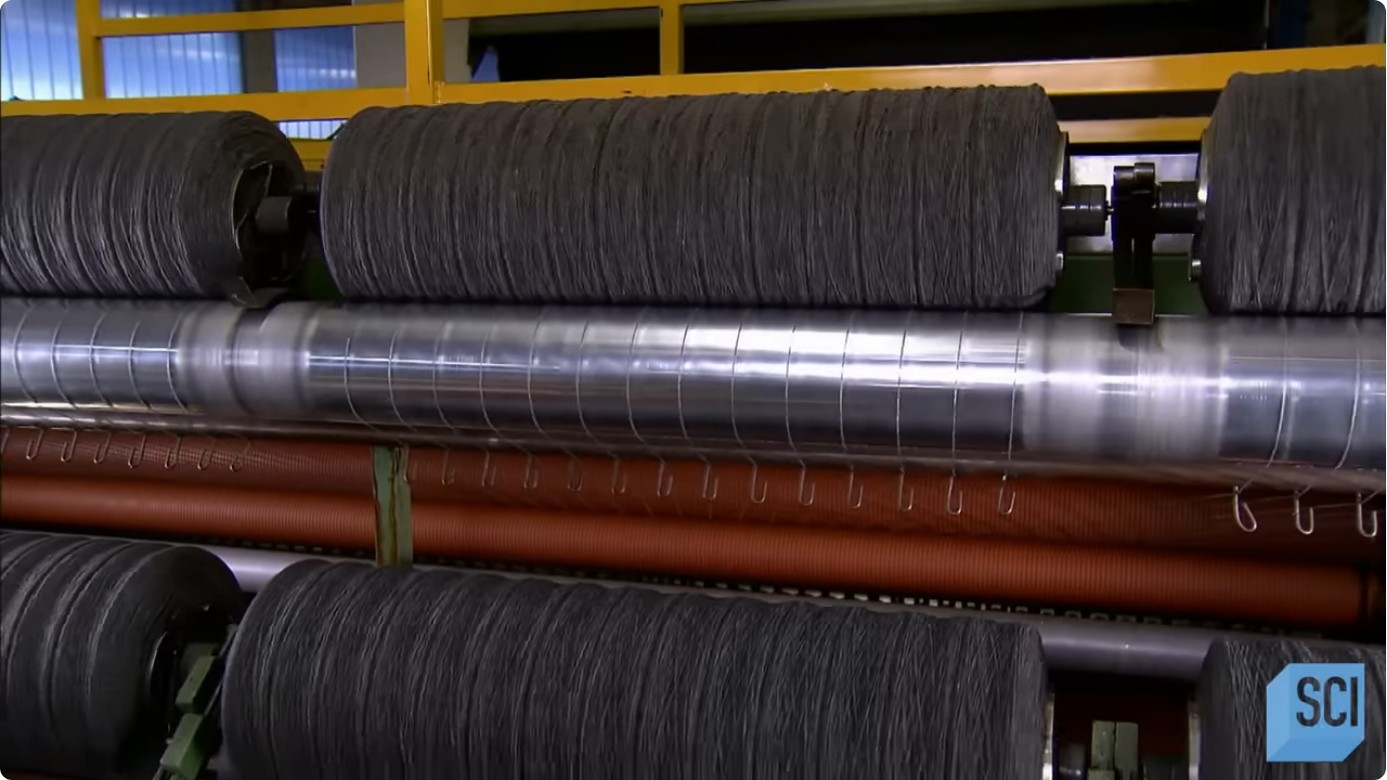
A rib knit is produced by alternating knit and purl stitches in the same wale (column of stitches). This 1×1, 2×2, or other variation creates the distinct vertical ridges. The magic lies in the loop structure: these loops can easily expand laterally (around the wrist or waist) under tension but pull back to their original position due to the inherent memory of the yarn and the balanced structure of the knit. This is recovery, and it is the single most important property for a cuff.
A cuff must also lay flat. The rib construction inherently resists curling at the edges, a common problem with jersey knits. The density of the rib—how many stitches per inch—affects both the visual width of the ribs and the firmness of the band. A finer, tighter rib (e.g., 18-22 courses per inch) will be smoother and more refined, suitable for dress shirts or fine knits. A broader, chunkier rib (e.g., 10-14 cpi) is more casual and substantial, ideal for sweatshirts.
You can have all the softness in the world, but if the cuff doesn’t recover, the garment looks sloppy. Recovery is measured as the percentage of stretch that is returned after force is removed. For a cuff, you typically want a minimum of 85% recovery. This is where fiber choice and elastane content become critical. Elastane (also branded as Lycra® or Spandex) is the engine of recovery. A typical cuff rib knit will contain 5-15% elastane, wrapped in a sheath of cotton or polyester yarns.
The fiber content dictates the cuff’s sensory experience, long-term behavior, and care requirements. Let’s examine the primary contenders.
Cotton Rib Knit: The classic. Soft, breathable, and familiar. A cotton rib with 5-7% elastane is standard for t-shirt cuffs and casualwear. Key Limitation: Cotton fibers degrade with repeated washing and exposure to perspiration acids. The elastane within it is also susceptible to degradation from chlorine bleach and high heat. This means the recovery will gradually diminish. For a garment intended for heavy use or frequent washing, a cotton cuff will likely require replacement before the garment itself wears out.
Modal, Lyocell, Viscose Blends: These offer a silkier, cooler hand than cotton and often good drape. When blended with cotton and elastane for rib knit, they create a luxurious, soft cuff common in premium loungewear and basics. They share cotton’s weakness to wet strength loss and require gentler care.
Polyester & Nylon Rib Knit: The backbone of performance apparel. These fibers are hydrophobic (they don’t absorb water), which means they dry quickly and resist swelling from moisture. This maintains dimensional stability and consistent recovery in wet or sweaty conditions. They are also highly resistant to abrasion, pilling (to a degree), and chemical degradation from laundry additives. The hand can be engineered—from a soft, brushed feel to a sleek, smooth finish. Trade-off: They are less breathable than natural fibers and can trap odor if not treated with an antimicrobial finish, as synthetic fibers themselves do not absorb sweat but can hold onto bacteria byproducts.
Recycled Synthetics: The performance profile is identical to virgin fibers. The sourcing decision here is environmental. Verify the supplier’s claims through certifications like Textile Exchange standards (e.g., GRS – Global Recycled Standard) to ensure traceability and responsible processing.
Choosing a material from a swatch or spec sheet is one thing; ensuring consistent production is another. Here is a checklist for your sourcing conversations.
The “best” material is always context-dependent. Here are common scenarios and the rationale behind the recommended material profile.
The material’s performance is only realized with proper garment care. A poorly washed rib knit cuff will lose its elasticity regardless of fiber choice. Key guidelines to communicate to the end-user (via care labels) or to follow in production laundering:
Selecting a rib knit cuff material involves balancing competing priorities. Here are the final points of clarification that often arise.
The cuff is a small piece of fabric that carries a big responsibility. By moving beyond vague terms like “rib knit” and making intentional, data-backed decisions about fiber, construction, and care, you ensure that the garment performs its intended function from the first wear to the last. The right rib knit cuff material doesn’t just finish a garment—it preserves it.


