Address
304 North Cardinal
St. Dorchester Center, MA 02124
Work Hours
Monday to Friday: 7AM - 7PM
Weekend: 10AM - 5PM
Address
304 North Cardinal
St. Dorchester Center, MA 02124
Work Hours
Monday to Friday: 7AM - 7PM
Weekend: 10AM - 5PM
If you’ve ever reached for a favorite well-worn t-shirt, a cozy lounge set, or a soft baby onesie, you’ve likely experienced the embrace of a quality soft jersey knit. It’s the fabric that defines casual comfort for millions, yet the term ‘soft jersey’ encompasses a surprisingly wide range of materials, constructions, and performance levels. Understanding this spectrum is crucial for designers, brand owners, and savvy shoppers alike. Choosing the wrong ‘soft jersey’ can mean a garment that pills after two wears, stretches out of shape, or simply doesn’t deliver the luxurious hand feel promised.
This guide moves beyond the basic definition to explore what truly makes a jersey knit ‘soft,’ the critical trade-offs in fiber selection and construction, and how to source or select the right variant for your specific project. We’ll break down the science behind the softness, compare common blends, and provide a practical framework for evaluating samples and suppliers.
The perception of softness, or hand feel, is a product of both the raw materials and the knitting process. A common misconception is that fiber type alone dictates softness. While critical, it’s only part of the equation.
Related guide: How to Find and Use knitfabric.com Coupon Codes for Fabric Sourcing
Natural and Cellulosic Fibers: These are the traditional champions of softness. Cotton is the baseline, but its softness varies dramatically based on the staple length and preparation. Combed cotton, where fibers are aligned and short staples removed, creates a smoother, softer, and stronger yarn than carded cotton. For next-level softness, luxury cellulosics like modal (from beech trees) and lyocell (from eucalyptus, often branded as Tencel™) are exceptional. They are manufactured to have a smoother surface and higher wet strength, resulting in an incredibly soft, breathable, and drapey jersey. Lenzing’s Tencel™ is a leading branded example.

Synthetic Fibers: Polyester in its standard form is not inherently soft. However, advanced manufacturing techniques like microfiber (extremely fine filaments) and texturizing can create a very soft, suede-like hand. Polyester’s primary advantage in soft jersey blends is durability, wrinkle resistance, and moisture-wicking capability. Nylon is less common in soft jersey but adds strength and elasticity in specific performance blends.
Blends Are King: The most common and commercially successful soft jerseys are blends. A cotton/polyester blend (e.g., 60/40, 50/50) balances cotton’s softness and breathability with polyester’s durability and shrink control. A cotton/rayon blend offers enhanced softness, drape, and a more luxurious feel at a lower cost than pure modal. The exact softness profile is a direct function of the blend ratio and the quality of each component fiber.
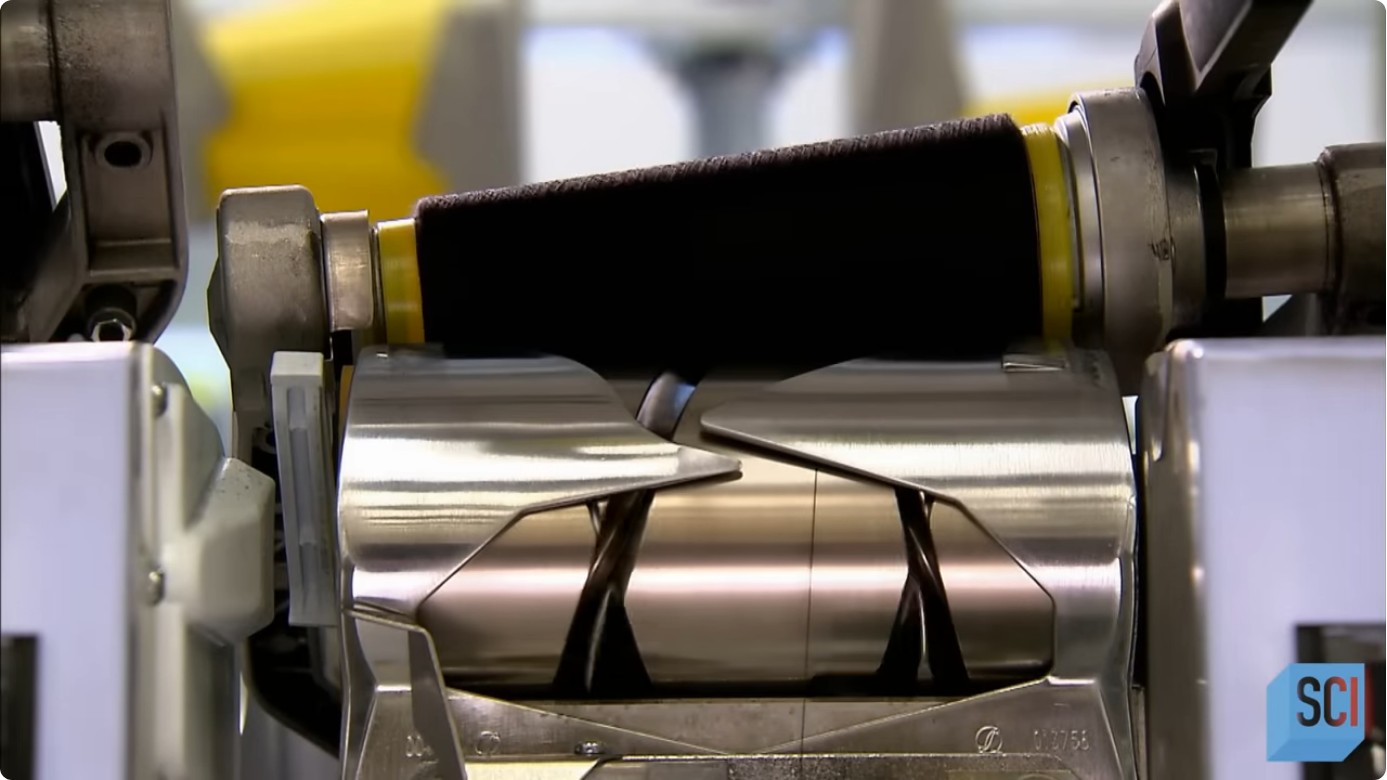
Two jerseys made from identical yarns can feel different. The gauge (number of needles per inch) matters. A finer gauge (e.g., 30+ needles per inch) creates a lighter, smoother, and often softer fabric. A coarser gauge feels heavier and more textured.
The finishing process is arguably the most significant variable. Mechanical softness ( brushing, napping) raises the fiber ends on the surface, creating a fleece-like texture. This is common in French terry and fleece. Chemical softness involves applying softeners or silicone finishes during laundering. These can provide an initial luxurious silkiness but may wash out over time. Stone washing or enzyme washing (common for cotton) breaks down the fiber surface, reducing stiffness and creating a lived-in, peached softness. A buyer must ask: Is this softness built into the fiber/yarn, or is it a temporary finish?
Every soft jersey exists on a spectrum. Pushing the needle too far in one direction—toward extreme softness—invariably creates weaknesses. Understanding these trade-offs is essential for making an informed choice.
| Softness Priority | Likely Fiber/Construction | Key Benefits | Primary Trade-Offs & Caveats |
|---|---|---|---|
| Everyday Comfort (T-shirts, basics) |
Combed Cotton or 60/40 Cotton/Poly |
Good balance of softness, breathability, and durability. Predictable shrink control in blends. | Can still pill. May feel heavy or stiff if low-quality yarn is used. Not moisture-wicking. |
| Premium Luxury (Loungewear, high-end basics) |
100% Modal, Cotton/Modal, or Tencel™ |
Exceptional silky softness, superior drape, excellent moisture management, more sustainable sourcing options. | Higher cost. Can be less stable and more prone to stretching out when worn, especially when wet. Requires careful laundering. |
| Budget Softness (Fast fashion, promotional items) |
Carded Cotton, High-Poly Blends, or Viscose |
Very low cost. Initial soft hand feel, especially with chemical finishes. | Poor durability, high pilling, significant shrinkage (100% carded cotton), inconsistent quality. Softness washes out quickly. |
| Performance Soft (Activewear, travel) |
Polyester/Spandex or Nylon/Spandex (microfiber jersey) |
Moisture-wicking, quick-drying, 4-way stretch, excellent shape retention, colorfast. | Can feel plasticky or clammy. Less breathable than natural fibers. “Soft” is a functional, not luxurious, attribute. |
Whether you’re ordering fabric by the roll or picking up a single garment, a systematic approach prevents disappointment. Use this checklist when evaluating a soft jersey.
The pursuit of softness can lead to costly mistakes. Here are the most frequent ones.
Is jersey knit always soft?
No. Jersey is a construction, not a fiber. A coarse, low-GSM, carded cotton jersey can feel scratchy and rough. Softness is a result of fiber quality, yarn preparation, and finishing.
Which is softer: cotton or modal?
High-quality modal or Tencel™ will consistently feel softer and silkier against the skin than even the best cotton. The difference is in the manufactured smoothness of the cellulosic filament versus the natural, variable texture of a cotton staple fiber.
How do I wash a soft jersey to keep it soft?
Always follow the care label. For most natural and cellulosic jerseys, washing in cold water with a mild detergent and avoiding high-heat drying is key. Use a low-heat or air-dry setting. Fabric softeners can restore some softness to cotton but may degrade performance finishes on synthetics or reduce absorbency.
Can I get a soft jersey that doesn’t pill?
Yes, but it requires investment. Look for fabrics with a tight knit structure (higher GSM, finer gauge), longer-staple fibers (Pima or Supima® cotton, branded modal), and a small percentage of polyester (which can anchor the fibers). Performance-specific jerseys with engineered yarns are also designed for pilling resistance. Absolute pilling-proof softness at a bargain price does not exist.
What is the best soft jersey for baby clothes?
Organic combed cotton jersey is a top choice for its gentle nature and minimal chemical processing. Organic cotton/modal blends offer extra softness. Always ensure the fabric meets safety standards for baby products, such as CPSC regulations for flammability and lead content.
More advice: Gingham Cotton Fabric: A Practical Guide to the Checkered Classic


