If you’re searching for “how to train a dragon fabric,” you’re likely not looking for advice on mythical creatures. You’re a designer, product developer, or creative entrepreneur aiming to capture the essence of dragon scales—iridescent, textured, protective—in a real-world textile for apparel, accessories, or costumes. This guide translates that fantastical concept into actionable textile knowledge, moving from imagination to mill.
The term “dragon fabric” isn’t a standard industry classification; it’s a visual and tactile aesthetic. Achieving it requires understanding a combination of material science, finishing techniques, and construction methods. Success depends on balancing the dramatic look with practical performance, cost, and manufacturability. This article breaks down the core components and pathways to realize this specialized fabric.
Decoding the Aesthetic: What Makes a Fabric Feel “Draconic”
Before selecting materials, deconstruct the dragon scale look and feel. Key attributes include:
Scale Pattern: A repeating, geometric arrangement of overlapping units. This can be subtle or pronounced.
Dimensional Texture: Physical raised areas (embossing, weaving) that create shadow and depth.
Iridescence/Metallics: A color-shift effect (often from structural color or special coatings) or a metallic sheen.
Armor-like Drape: A slightly stiff, protective hand, though flexibility is still required for wearability.
Durability: An implied toughness, resistant to abrasion and tearing.
Your project’s priority among these traits will dictate your technical approach. A costume for a convention prioritizes visual impact and low cost, while performance outerwear demands durability and weather resistance.
Pathway 1: Base Fabric + Surface Engineering
This is the most common and controllable method. Start with a suitable base cloth and apply finishes to create the scale effect.
Embossing and Calendering
A heated roller with an engraved scale pattern presses the design into the fabric. This works best on thermoplastic fibers like polyester or nylon, and on blends with a significant synthetic content.
Process: Fabric passes through engraved rollers under heat and pressure.
Base Fabric: Tightly woven polyester, nylon, or vinyl-coated fabrics hold the emboss best.
Result: Permanent, consistent texture. Can be combined with a metallic or pearlescent top coating.
Limitation: Can reduce fabric breathability and may crack on high-stress seams if the base is too thin.
Screen Printing & Specialty Coatings
Use raised-effect pastes (e.g., puff, gel, or high-build coatings) printed in a scale pattern. Alternatively, apply a full-coat finish with a scale-patterned release liner, then peel to create a textured surface.
Material: Polyurethane (PU), PVC, or acrylic-based gels are common. For iridescence, incorporate interference pigments or holographic flakes.
Consideration: Coating adds weight and can alter hand. Test for flexibility and peel strength. AATCC provides test methods for coating adhesion and abrasion.
Lamination
Bond a thin, textured film (often with a scale pattern) to a base textile using heat or adhesive. This creates a very durable, armor-like surface.
Film Types: Thermoplastic polyurethane (TPU) for flexibility, PVC for rigidity and metallic looks.
Pro: Excellent weather resistance and tear strength.
Con: Significantly reduces breathability; can feel plasticky. Not ideal for next-to-skin garments.
Pathway 2: Structural Fabric Construction
Incorporate the scale pattern directly into the weave, knit, or non-woven structure. This is more complex and costly but produces a superior, integrated texture.
Jacquard Weaving
A jacquard loom can create intricate 3D patterns, including scale motifs, by varying warp and weft floats. The texture is inherent to the fabric’s structure.
Yarn Choice: Combine yarns of different Reflectivity (e.g., dull polyester with shiny nylon) to enhance the scale effect.
Advantage: No surface coatings to crack or peel. Better air permeability than coated options.
Challenge: High minimums, longer lead times, and higher cost. Requires a skilled mill.
Double Knit & 3D Knitting
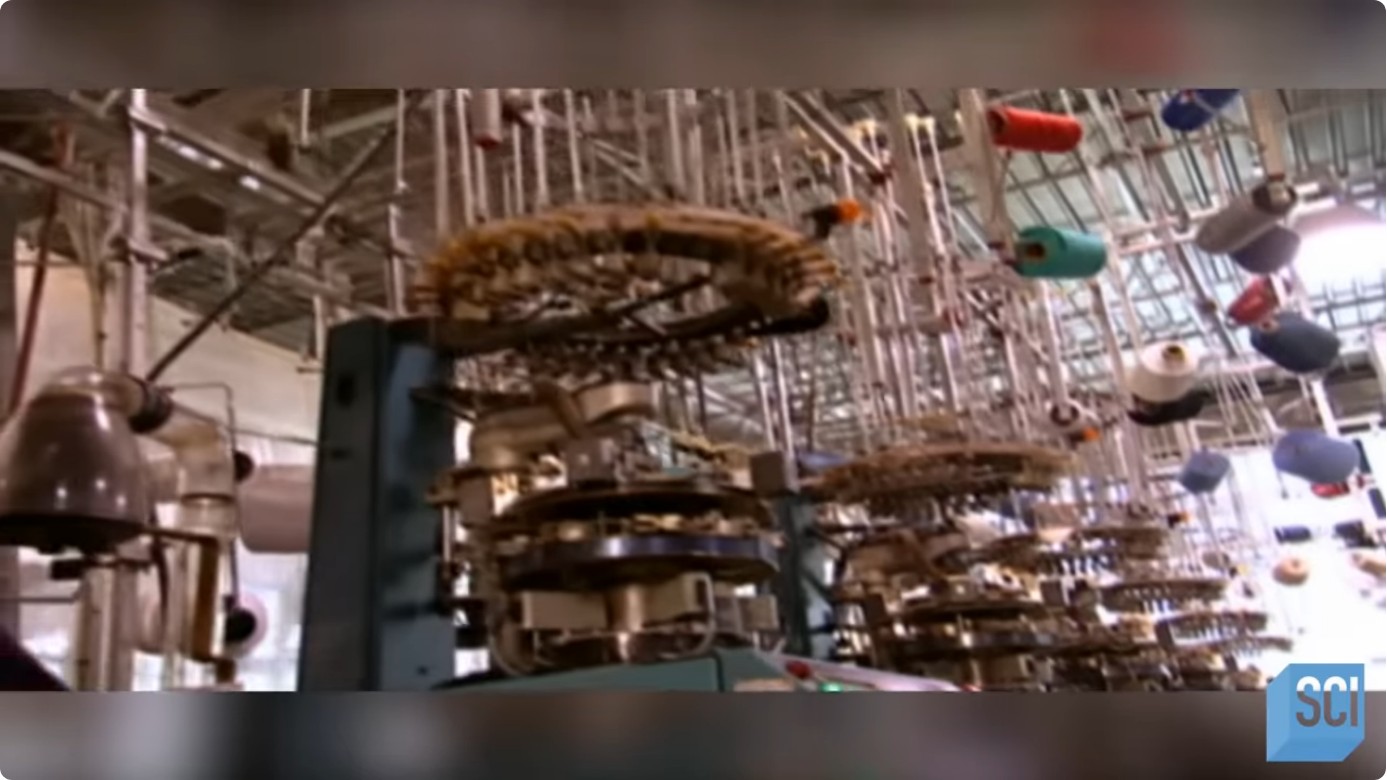
Specialized knitting machines can produce fabrics with pronounced, stable three-dimensional textures. Seamless 3D knitting can integrate scale patterns directly into garment panels.
Application: Ideal for fitted pieces like gloves, bodysuits, or armor inserts where flexibility and fit are critical.
Material: Often uses performance yarns like polyester or polyamide with elastic cores for recovery.
Non-Woven & Felted Techniques
Needle-punching or felting wool or synthetic fibers can create dense, textured surfaces that resemble reptilian skin. This gives a more organic, matte scale look.
Note: Natural wool felt is not inherently durable or water-resistant. It can be treated with a durable water repellent (DWR) finish, but is generally less tough than synthetic options.
Material Selection: The Foundation of Your Dragon Fabric
Your base material is the skeleton of the project. Here’s a comparison of common choices:
Material
Best For
Key Properties
Trade-offs
Polyester (PET)
Most applications; embossing, coatings, jacquard.
Strong, colorfast, low cost, thermoplastic (good for embossing). Can be made moisture-wicking.
Less breathable than natural fibers, can feel static. Recycled content is widely available (Textile Exchange standards).
Nylon
High abrasion areas, flexible laminates.
Exceptional strength-to-weight, abrasion resistant, good elasticity. Takes dyes well for vibrant colors.
More expensive than polyester, degrades under UV light faster. Can feel slick.
Inherently waterproof, excellent for rigid embossing, low cost.
Heavy, non-breathable, plastic feel, environmental concerns. Less flexible.
TPU (Thermoplastic Polyurethane)
Flexible laminates, performance gear.
Rubber-like flexibility, abrasion-resistant, waterproof, more eco-options than PVC.
Higher cost, can be tricky to bond. Breathability is very low.
Blends (e.g., Poly/Cotton)
When some breathability is needed with texture.
Softer hand, better moisture absorption from the cotton.
Embossing results less sharp; cotton may degrade in harsh finishes. Shrinkage must be managed.
Sourcing and Production: From Concept to Mill
You won’t find “dragon fabric” as a stock item. You must source components or commission production.
For Surface Engineering: Source a high-quality plain weave or ripstop polyester from a converter or mill. Then contract a textile finishing house that offers embossing or coating services. Be prepared to provide your scale pattern (often as a brass roller engraving).
For Structural Construction: You need a weaving or knitting mill with jacquard or 3D capabilities. This is a custom development project. Have technical drawings, yarn specs, and performance requirements ready. Minimums can be high (often 1,000+ yards).
Prototyping: Start small. Some specialty fabric painters (like those for automotive or marine interiors) may offer custom embossing on yardage. For knits, explore seamless 3D knitting service bureaus for small-run samples.
Key Questions to Ask a Mill:
What is the minimum repeat size for your jacquard/embossing? (Scale size matters)
Can you incorporate multiple yarn types or colors in one pattern for iridescence?
What are the recommended care instructions for this finished fabric?
Do you have existing scale patterns we can license or modify?
The Reality Check: Critical Caveats and Trade-offs
Pursuing a dragon-scale aesthetic involves significant compromises. Be honest about your project’s needs.
Breathability vs. Visual Impact: Highly textured, coated, or laminated fabrics will trap heat and moisture. For activewear or summer costumes, this can be dangerous. Consider strategic placement (e.g., only on panels) or using a more open weave structure.
Durability vs. Flexibility: Thick, rigid PVC or heavily embossed fabrics can crack at stress points (knees, elbows). A TPU laminate on a stretch knit offers better flexibility but may still inhibit full range of motion.
Cost and Scale: True jacquard or custom 3D knitting has high NRE (non-recurring engineering) costs for pattern setup. Stock embossing on existing fabrics is the most cost-effective route for small batches.
Environmental Impact: PVC is widely considered the least sustainable option due to additives and end-of-life issues. Recycled polyester (rPET) and bio-based TPU are better, but coating/lamination processes can complicate recycling. Research IDEAL® or Cradle to Cradle certification for more sustainable structural textile innovations.
Maintenance: Textured surfaces can trap dirt. Metallic coatings can tarnish or flake. Provide clear care labels—often hand wash cold, no fabric softener, hang dry.
Bringing Your Dragon to Life: A Decision Checklist
Before finalizing a specification, run through this list:
Define the Primary Use: Is it for a cosplay prop, a fashion statement piece, functional outdoor gear, or upholstery? This is your first constraint.
Prioritize Aesthetic Attributes: Is the scale shape (round vs. angular) or the color-shift effect more important than the 3D depth?
Set Performance Minimums: Determine required Wyzenbeek abrasion cycles, tear strength (lb), or waterproof rating (mm).
Establish Budget & Quantity: $50/yard for a custom jacquard is possible at 500 yards, but impossible at 50 yards. Stock embossed fabrics may range $15-$30/yard.
Source Samples, Not Specs: Always order physical swatches. The look and hand of a fabric cannot be judged online. Test them under your intended lighting and with your intended fastenings (zippers, snaps).
Prototype the Assembly: Sew a small sample using your intended thread, needle, and seam type. Does the scale pattern align at seams? Does the needle perforate and weaken a coated surface?
Still Wondering?
Navigating the intersection of fantasy and textile engineering is complex. You may still have questions about achieving a specific iridescent effect, finding a mill that works with small batches, or ensuring your finished garment doesn’t sound like rustling plastic. The key is to partner early with textile developers who understand that “dragon fabric” is a destination, not a material. Start with a clear brief of your functional and visual goals, and be prepared to iterate on samples. The most successful dragon-scale textiles are born from a collaborative dialogue between your creative vision and a mill’s technical capabilities.