Address
304 North Cardinal
St. Dorchester Center, MA 02124
Work Hours
Monday to Friday: 7AM - 7PM
Weekend: 10AM - 5PM
Address
304 North Cardinal
St. Dorchester Center, MA 02124
Work Hours
Monday to Friday: 7AM - 7PM
Weekend: 10AM - 5PM
If you’re asking “where to print custom fabric,” you’re likely at a crossroads between creative vision and production reality. The answer isn’t a single shop or website—it’s a strategic decision based on your quantity, design complexity, fabric type, and end-use. The modern landscape offers everything from on-demand digital printers for a single prototype to massive textile mills for thousand-yard runs. Navigating this requires understanding the core methods, the right partners for your scale, and the critical trade-offs that will impact your cost, quality, and timeline.
This guide cuts through the noise. We’ll map the ecosystem of custom fabric printing, from the technology that makes it possible to the specific channels where you can access it. Whether you’re a independent fashion designer, a startup activewear brand, or a business needing branded textiles, you’ll learn how to match your project to the right service provider and avoid common, costly missteps.
Before you can choose where to print, you must understand how it will be printed. The two dominant industrial methods serve completely different needs.
Digital printing works like a high-end inkjet printer for textiles. It deposits tiny droplets of ink directly onto the fabric.
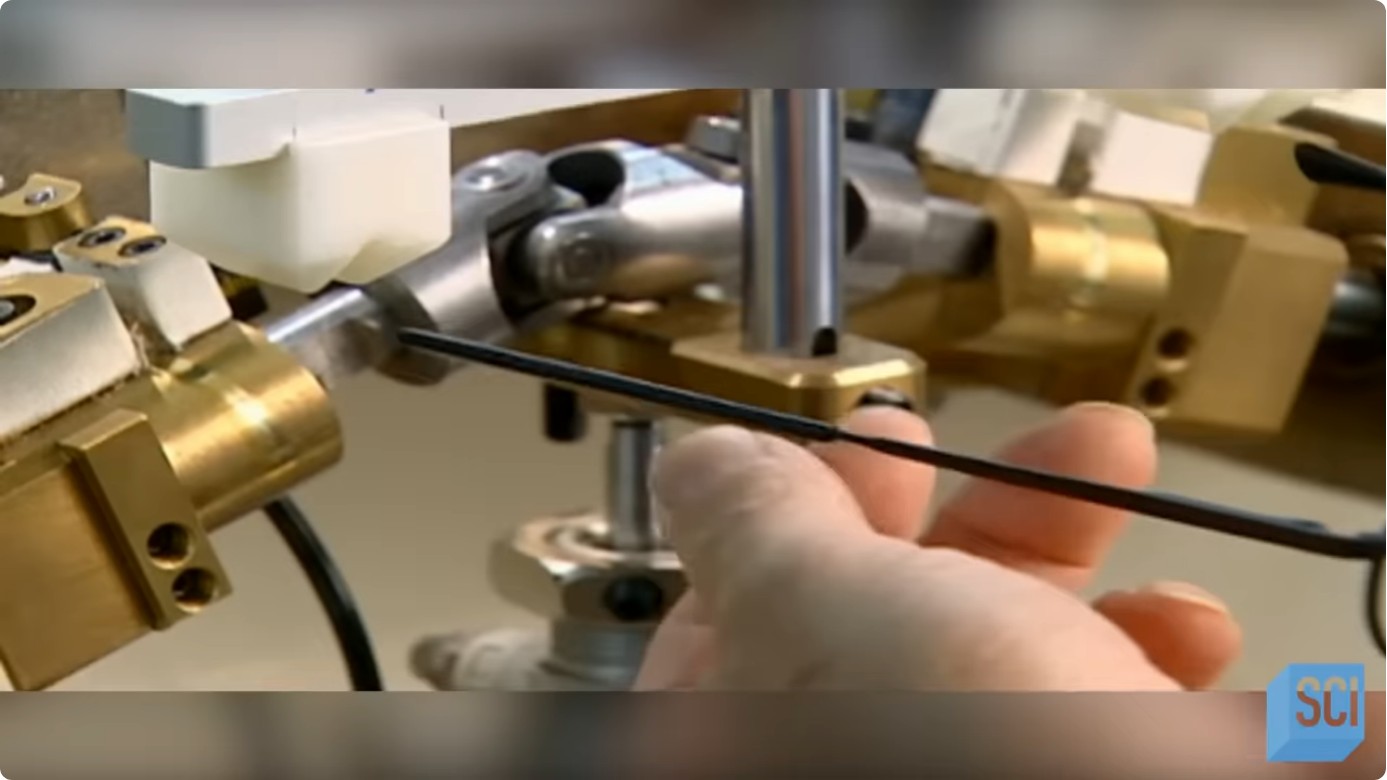
Screen printing pushes ink through a mesh stencil (screen) onto the fabric. Each color requires a separate screen and pass.
| Feature | Digital Printing | Screen Printing |
|---|---|---|
| Minimum Order Quantity (MOQ) | Often 1 | Typically 100-500+ |
| Setup Cost | None or very low | High (per color) |
| Color Detail | Photographic, gradients, unlimited colors | Best for solid spot colors |
| Per-Unit Cost (at 500 units) | Moderate to High | Low |
| Ideal For | Prototypes, samples, e-commerce, personalized items | Event merch, uniform programs, core product lines |
With technology clarified, you must identify the right business model for your needs. The “where” breaks down into three primary channels.
These are the most accessible starting points. Companies like Printful, Printify, and Apliiq operate as print-on-demand (POD) partners. You upload designs, they integrate with your Shopify or WooCommerce store, and they print and ship directly to your customers as orders come in.
Scenario: A new designer launching a niche collection of art-inspired silk scarves. They need zero inventory risk and the ability to offer dozens of designs without upfront cost. A POD platform specializing in silk and high-end fabrics is the perfect launchpad.
Caveat: Per-unit profit margins are thin due to the service premium. Fabric and color selection is often limited to what the platform stocks. Quality control can be variable, so always order a sample first.
These are dedicated B2B and B2C printing houses, often local or regional. They handle everything from single-yard samples to mid-size production runs (e.g., 100-5,000 yards). They typically have a broader fabric catalog (e.g., performance knits, organic cotton, technical textiles) and offer more direct communication with a production manager.
For established brands with predictable, high-volume needs (typically 5,000+ yards), going directly to a textile mill is the most cost-effective path. Mills print fabric by the bolt or roll before it’s cut and sewn. This is where you source fabric for an entire season’s collection.
More advice: A Practical Guide to Buying French Terry Cloth by the Yard
Your success hinges on preparation. Vague requests lead to inaccurate quotes. Before you email or call a printer, have this information ready:
If your project involves activewear, outdoor gear, or any functional textile, the printer’s expertise becomes critical. Performance fabrics (e.g., moisture-wicking polyester, SPF-rated nylon) often require specific inks and curing processes to maintain their technical properties.
Red Flag: A printer who guarantees “performance” without discussing ink chemistry, fabric weave, and testing protocols is likely not specialized in this niche.
No single “where” is perfect. Your choice is a balancing act. Use this framework to decide:
One final, crucial reality check: The cheapest quote is rarely the best value. A mill with a “perfect” price but poor communication or quality control will cost you more in rejected goods, delays, and stress than a slightly more expensive, reliable partner. Always, always order a physical sample of the fabric *with your print on it* before committing to a full run, regardless of the printer’s reputation.
What happens if my design has a gradient that doesn’t print well on cotton?
Digital printing on cotton can sometimes struggle with very smooth gradients, leading to banding. A solution is to add a subtle texture or grain to the gradient file, or consider switching to a polyester fabric for dye-sublimation, which handles gradients exceptionally well.
Can I provide my own blank fabric?
Yes, this is common with specialty shops and is called “blank goods.” However, you assume all liability for fabric quality and compatibility. The printer will typically not be responsible for issues like fabric shrinkage, dye lot variance, or ink adhesion failure on an unknown base. Always test a single yard first.
How do I ensure color consistency between future runs?
For any run over 500 units, insist on a lab dip or strike-off. This is a small, physical sample of your print on your exact fabric, produced using the final screens or print settings. You approve this sample, and the printer uses it as the master for the entire production run. This is non-negotiable for color-critical projects.


