Address
304 North Cardinal
St. Dorchester Center, MA 02124
Work Hours
Monday to Friday: 7AM - 7PM
Weekend: 10AM - 5PM
Address
304 North Cardinal
St. Dorchester Center, MA 02124
Work Hours
Monday to Friday: 7AM - 7PM
Weekend: 10AM - 5PM
If you’ve ever pulled on a pair of leggings, zipped up a fitted cycling jersey, or admired the drape of a structured blazer, you’ve encountered the work of spandex. Also widely known as elastane or by the brand name Lycra®, this synthetic fiber is the invisible engine behind modern stretch and recovery in apparel. Yet, its behavior, limitations, and proper use are often misunderstood, leading to garment failures, sourcing missteps, and consumer frustration. This guide moves beyond the basic definition to provide a actionable, detailed description of spandex fiber for designers, manufacturers, product developers, and informed consumers.
We will deconstruct what spandex truly is at a molecular level, translate its technical properties into real-world garment performance, and outline the critical trade-offs and sourcing considerations that define its successful application. Understanding this fiber is not about academic curiosity; it’s about making smarter material choices that balance comfort, durability, cost, and care requirements.
Before diving into the details, three core characteristics define every conversation about spandex. Keep these in mind as the foundational truths:
You may also like: Cloth of Gold Fabric: A Practical Guide for Designers and Buyers
Spandex is a generic term for a synthetic copolymer—a long-chain polymer made from two distinct monomers. The primary monomers are a flexible “soft segment” (usually a polyester or polyether glycol) and a rigid “hard segment” (typically a diisocyanate, like MDI or TDI). This combination creates a unique molecular structure.
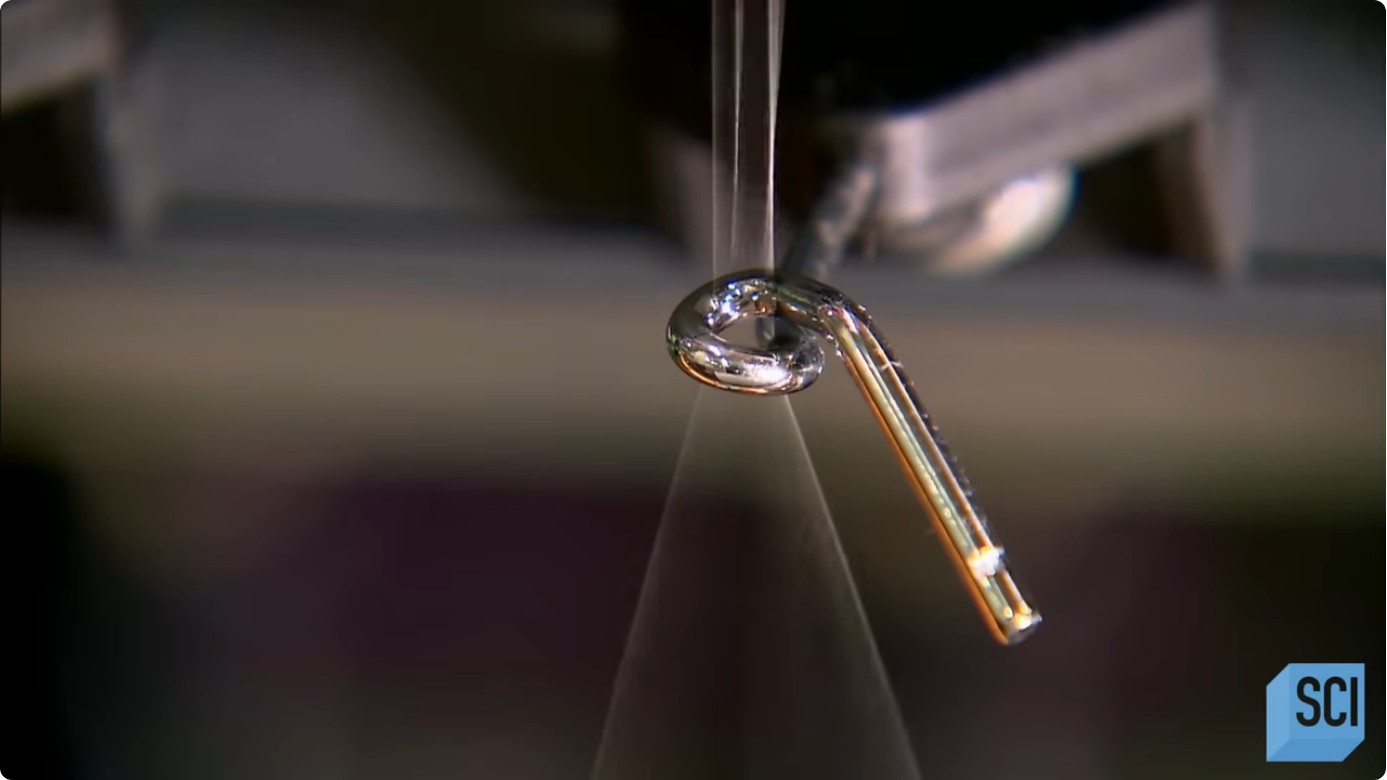
During production, the long polymer chains are aligned through a process called “drawing.” This alignment is what gives spandex its incredible strength along the grain. When a force is applied, the polymer chains uncoil and straighten, allowing for stretch. When the force is released, the chains spontaneously recoil into their aligned, low-energy state, providing recovery. This is a physical, not chemical, change—meaning it can be repeated thousands of times without the fiber “breaking in” permanently, until it degrades.
This is a common point of confusion that has real sourcing implications.
When sourcing, specifying “spandex” or “elastane” refers to the fiber category. Specifying “Lycra®” is a brand request, which typically commands a price premium. For a technical definition from the industry body, refer to standards from organizations like ASTM International, which classifies these fibers under elastomeric materials.
Here is a breakdown of spandex’s key performance metrics and what they mean for a finished garment.
| Property | Typical Value/Range | Practical Implication for Garments | Key Caveat/Limitation |
|---|---|---|---|
| Elongation at Break | 400% – 800% | Defines the maximum stretch potential. A 300% elongation allows a 10-inch fabric panel to stretch to 40 inches. | This is a laboratory failure point. Garments are never designed to operate near this limit. |
| Recovery (Set) | Critical. High-quality spandex recovers 90-95%+ after 300% stretch. | Determines garment fit retention. Poor recovery leads to bagging, sagging, and loss of shape. | Recovery degrades with heat, chemicals, and fatigue. A 5% loss in recovery is often noticeable to the wearer. |
| Tenacity (Strength) | 0.6 – 0.9 grams/denier (gpd) | Influences durability and resistance to rupture during stretching. Higher tenacity = tougher fiber. | Still significantly weaker than nylon (~6-8 gpd) or polyester (~5-7 gpd). Spandex is the weak link in a blend. |
| Modulus | Low at low strains, high at high strains | Feels soft and comfortable initially but provides firm support when stretched. Contributes to “compression” feel. | A low initial modulus can cause a “jiggle” effect in very high-stretch garments if not balanced by the host fabric. |
| Heat Sensitivity | Softens at ~190°C (374°F), melts at ~230°C (446°F) | High heat (dryers, irons, hot water) permanently damages recovery, causing irreversible growth. | The #1 cause of garment failure. Heat setting during fabric production must be precisely controlled. |
| Chemical Sensitivity | Degraded by chlorine, strong acids, bases, and oxidizers | Chlorine in pool water or bleach rapidly breaks down spandex, causing weakening and loss of recovery. | Swimwear and activewear require special, chlorine-resistant spandex grades (often with polyether soft segments). |
Choosing spandex is about matching its properties to the garment’s functional demands.
Selecting spandex is a multi-variable decision. Use this checklist when evaluating suppliers or samples.
For identifying reputable suppliers, start with major fiber producers like The Lycra Company, Asahi Kasei (ROICA™), and Hyosung (creora®). They provide extensive technical resources on matching their products to end-uses.
More advice: Dusty Blue Fabric: A Practical Guide to Selection, Sourcing, and Application
The single biggest factor in a spandex-blended garment’s lifespan is proper care. These instructions are non-negotiable for preserving the fiber.
Spandex is a petroleum-based synthetic. Its production is energy-intensive, and like all synthetics, it is not biodegradable. Innovations in bio-based spandex (using sugars or corn derivatives for the soft segment) exist from major producers but currently represent a small, more expensive fraction of the market.
From a cost perspective, spandex is a significant premium over standard synthetic fibers. Price volatility is tied to petrochemical markets. However, because it is used at such low percentages (often 3-8%), its impact on the overall yarn cost of a blended fabric is moderate. The value comes from the functional performance it enables—garments that fit better and last longer in terms of shape retention, even if the spandex itself eventually degrades.
Is a higher spandex percentage always better for stretch?
No. Beyond a certain point (often 15-20% depending on knit), you get diminishing returns in stretch but increasing issues with durability, pilling, and a rubbery hand. The goal is the minimum percentage that achieves the required stretch and recovery for the design.
Can I feel the difference between good and bad spandex?
Experienced handlers can, but it’s unreliable. A low-quality spandex with poor recovery might feel initially stretchy but will bag out quickly. Always rely on supplier specifications and recovery test data, not tactile evaluation.
Why did my “stretch” jeans bag at the knees?
This is classic spandex failure. Likely causes: 1) The spandex used had poor initial recovery, 2) The jeans were dried on high heat, permanently damaging the spandex, or 3) The blend percentage was too low for the stress applied (knees bending repeatedly).
Is recycled spandex available?
Yes, but it is nascent. Some producers offer post-industrial recycled content spandex, but post-consumer recycled spandex is not yet commercially viable at scale due to technical and purity challenges. Claims should be scrutinized for credible certification.
Should I specify Lycra® for my premium activewear line?
Lycra® has a strong reputation for consistent quality and performance, which can be a marketing asset. However, other specialty elastanes from Asahi Kasei (ROICA™) or Hyosung (creora®) offer comparable performance, sometimes at different price points or with specific advantages like enhanced UV resistance. The decision should be based on specific test data against your performance targets, not just brand recognition.
Related guide: The Soft Shell Fabric Guide: Construction, Performance, and Sourcing


