Address
304 North Cardinal
St. Dorchester Center, MA 02124
Work Hours
Monday to Friday: 7AM - 7PM
Weekend: 10AM - 5PM
Address
304 North Cardinal
St. Dorchester Center, MA 02124
Work Hours
Monday to Friday: 7AM - 7PM
Weekend: 10AM - 5PM
Buying jersey fabric wholesale is a critical juncture for any apparel business, from fledgling brands to established manufacturers. The simplicity of the term ‘jersey’ belies a complex landscape of variations in composition, weight, construction, and quality. A misstep in wholesale purchasing can lead to inconsistent garment fit, poor durability, or unexpected cost overruns. This guide moves beyond the basic definition to equip you with the technical knowledge and sourcing strategies needed to make informed, profitable decisions when sourcing jersey fabric in bulk.
We will dissect the key specifications that truly matter in a wholesale context, provide a framework for evaluating and negotiating with suppliers, and outline the practical trade-offs you’ll encounter. The goal is to transform jersey fabric from a generic commodity into a strategically selected material that aligns with your product’s performance goals and brand promise.
At its core, jersey is a single-knit fabric, meaning it’s created with one set of needles on a circular knitting machine. This construction gives it a smooth, flat face and a slightly textured back, with a natural amount of stretch that comes from the knitting technique itself—not from added elastane. However, the modern wholesale market is dominated by blended jerseys. Understanding the primary compositions is your first step:
More advice: French Terry Fabric: A Complete Guide to Properties, Uses, and Sourcing
A wholesale quote that only lists “cotton jersey” is inadequate. You must request and understand these five critical specifications. Any supplier unwilling to provide them should be a red flag.
Measured in grams per square meter (GSM), this is the single most important indicator of a jersey’s density, durability, and opacity. It directly dictates the garment’s weight, feel, and suitability.
| GSM Range | Typical Use & Character | Key Consideration |
|---|---|---|
| 120 – 160 GSM | Lightweight, breathable tees, summer tops. Very soft hand, can be transparent. | Durability is lower; careful with underarm and seam stress. Often used for women’s fashion basics. |
| 170 – 200 GSM | The “standard” heavyweight for unisex t-shirts. Good balance of comfort, opacity, and durability. | The most common and competitive range. Quality variations are enormous here. |
| 210 – 240+ GSM | Premium, heavy-duty jersey. Very opaque, substantial feel, excellent durability. Used for high-end basics, workwear, and winter layering tees. | Less drape, can feel stiff initially. Higher cost and potential for reduced stretch. |
This refers to the fineness of the yarns used (e.g., 30/1, 40/1, 60/1). A higher first number (e.g., 60/1) indicates a finer, smoother yarn, which produces a softer, more refined fabric surface. A lower count (e.g., 20/1) creates a more textured, rugged, and heavier feel. Ask for samples to compare. Construction details like whether it’s a single jersey or a double jersey (also called Ponte di Roma) are also vital. Double jersey is two interlocked layers, making it much more stable, less prone to curling, and with a firmer drape—perfect for structured pieces like dresses, polo piques, and heavier tops.
Never assume a jersey is pre-shrunk. You must ask: “What is the expected shrinkage after the first home wash?” Unwashed or “greige” (raw) fabric can shrink 5-15% in both directions. For consistent garment sizing, you need sanforized or pre-shrunk fabric. The cost difference is real but negligible compared to the cost of a flawed garment run.
Depending on your market, certifications are not just marketing—they are requirements. Common wholesale inquiries should include:
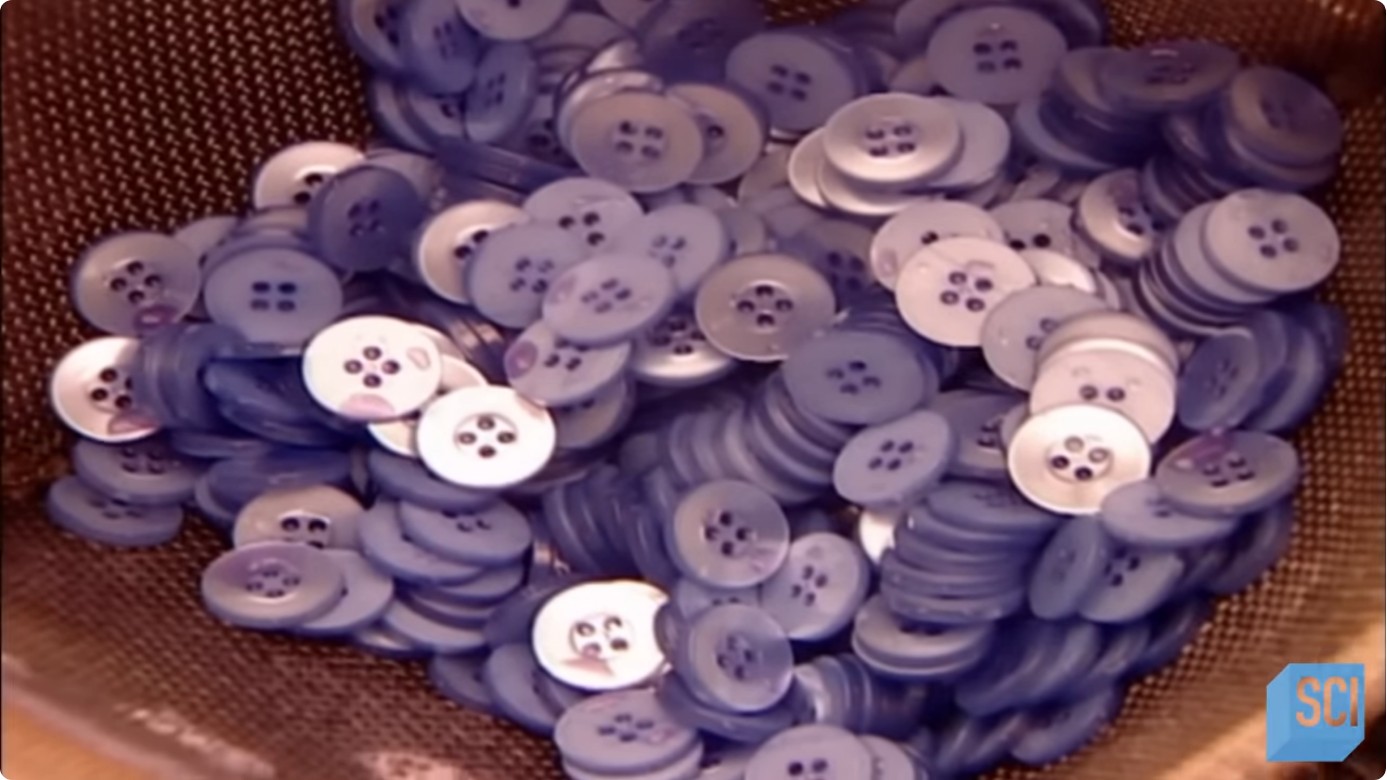
For dark or vibrant colors, ask about the dyeing process. Piece-dyed fabric (dyed after knitting) can have more variance and potential for bleeding than yarn-dyed (where the yarn is dyed before knitting). Request a color fastness to washing and rubbing (crocking) report.
Where you source wholesale jersey dramatically impacts minimum order quantities (MOQs), lead times, quality control, and cost. There is no single “best” source; it depends on your volume and needs.
Domestic Mills & Converters (USA, EU, Turkey): Typically offer lower MOQs (often 500-1,000 yards), faster lead times (2-8 weeks), easier communication, and simpler quality control through mill visits. They excel at quick-turn, mid-range quality fabrics and are ideal for small-to-medium brands, sample making, and lines requiring agility. The cost per yard is higher.
Overseas (China, India, Pakistan, Bangladesh): Offer the lowest cost per yard and the highest production capacity. MOQs can be daunting (often 5,000-10,000 yards per color/style). Lead times are longer (8-20+ weeks), and communication/quality control requires rigorous management. Suitable for large-volume basics and brands with established supply chain management. The International Trade Administration offers resources for navigating international sourcing.
You rarely buy directly from a spinning mill. You will engage with:
Before placing a significant order, verify these points. Treat this as a pre-flight checklist.
Every specification choice involves a compromise. Frame your decisions around your end use.
What is a realistic MOQ for a startup? For a standard cotton/polyester blend in a common weight (180-200 GSM), expect 500-1,000 yards per color/style from a domestic converter or a large overseas trading company willing to accept smaller orders. For specialized fabrics (e.g., 100% organic, specific double jersey), MOQs can jump to 3,000+ yards.
How do I avoid the “cheap feels cheap” trap? Insist on a pre-production sample. Pay attention to the fabric’s recovery after you scrunch it in your hand. Does it spring back or stay wrinkled? Check the selvage (edge) for neatness. A clean, consistent selvage indicates better machine maintenance and tension control. Pill it manually—low-quality yarns will generate fuzzy pills immediately.
Should I source jersey from a general textile wholesaler or a specialist knit converter? For a business building a brand around apparel, a specialist knit converter is almost always better. They understand jersey-specific issues like curl control, laying, and printing/embroidery compatibility. A general wholesaler may have a limited, non-specialized stock.
What’s the single most important thing to get right? The pre-production sample approval. No amount of spec sheet perfection replaces physically testing the exact fabric that will be cut for your garments. Wash it, dry it, sew a mock-up, and wear it. The sample is your only binding contract on quality.
Sourcing jersey fabric wholesale is a blend of technical due diligence and relationship building. By speaking the language of GSM, yarn counts, and certifications, and by implementing a rigorous supplier vetting process, you move from being a passive buyer to an active selector. This control over your most fundamental material is what separates collections that merely exist from those that consistently deliver on their promise of quality, fit, and value.
Helpful tip: The Waffle Knitted Sweater: A Practical Guide to Fabric, Fit, and Function


