Address
304 North Cardinal
St. Dorchester Center, MA 02124
Work Hours
Monday to Friday: 7AM - 7PM
Weekend: 10AM - 5PM
Address
304 North Cardinal
St. Dorchester Center, MA 02124
Work Hours
Monday to Friday: 7AM - 7PM
Weekend: 10AM - 5PM
If you’ve shopped for a stylish jacket, a vegan handbag, or even some trendy boots recently, you’ve likely encountered the term “PU material.” It’s a ubiquitous descriptor in fast fashion and conscious fashion alike, but what does it actually mean? In apparel, “PU” stands for polyurethane, and it almost always refers to a synthetic faux leather finish applied to a fabric backing—usually polyester or cotton. It is not a woven fabric like silk or wool, but a coated or laminated textile designed to mimic the look and feel of animal leather. Understanding this material goes beyond just knowing it’s “fake leather.” It involves grasping its construction, its very real trade-offs in performance and ethics, and where it fits in a sustainable wardrobe.
This guide cuts through the marketing to explain PU material clothing from the fiber to the seam. We’ll break down how it’s made, how it compares to other materials, what to look for when buying, and the critical environmental and durability questions you should be asking. Whether you’re a designer sourcing fabric, a retailer curating a collection, or a consumer trying to make an informed choice, this is your practical reference.
Before diving into technical details, frame your decision with these three core considerations. They apply whether you’re evaluating a $30 jacket or a $300 designer piece.
Related guide: Stretch Terry Cloth Fabric: A Complete Guide to Properties, Uses, and Sourcing
PU leather for apparel is not a single substance but a composite. Its performance is defined by two key components:
This is the textile foundation. Common backings include:
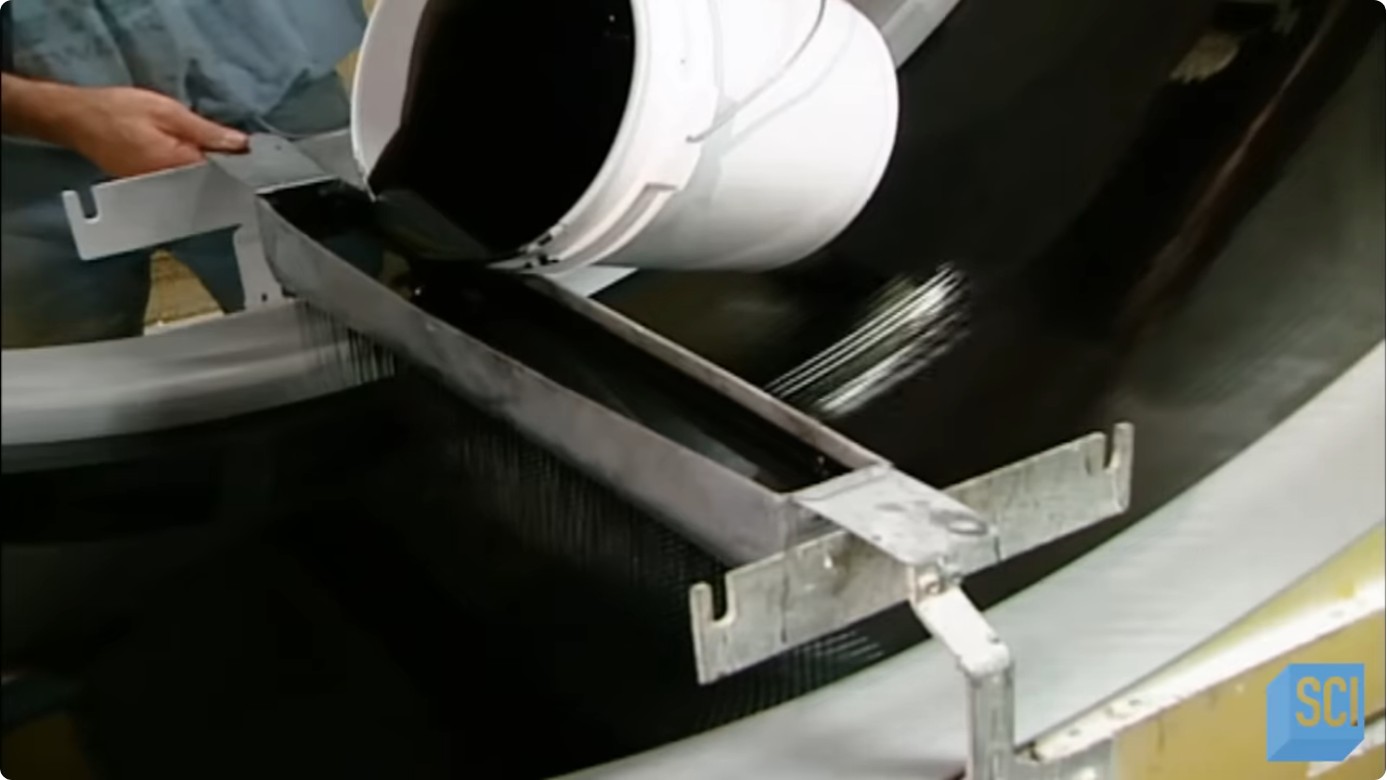
This is the plastic layer that creates the leather-like surface. Application methods vary:
The thickness of this coating, measured in microns or mils (thousandths of an inch), is the single biggest predictor of durability. Fashion-grade PU might be 0.1-0.3mm thick, while a more robust upholstery-grade PU can be 0.8mm or more.
To make a smart choice, you need to see PU in context. The following table breaks down how it stacks up against its primary competitors in apparel and accessories.
| Material | Key Pros | Key Cons | Best For |
|---|---|---|---|
| PU / Faux Leather | Vegan, consistent look, wide color range, low cost, easy care | Non-breathable, plastic feel, less durable than real leather, fossil-fuel based, can crack/peel | Trend-driven fashion, costume pieces, budget-friendly everyday bags, vegan apparel |
| Genuine Leather | Breathable, develops patina, extremely durable, repairable, natural material | Expensive, requires maintenance, ethical concerns for some, variable quality | High-end jackets, boots, bags, heritage items meant to last decades |
| Vegan Leather (Plant-Based: Pineapple, Mushroom, etc.) | Bio-based, innovative, compostable potential, unique textures | Very new, often less durable, limited scale, can be expensive, performance still evolving | Eco-conscious fashion experiments, small accessories, niche designer pieces |
| Recycled PU | Uses post-industrial or consumer waste plastic, reduces virgin fossil fuel demand | Still plastic, recycling processes are limited, may have lower performance specs | Brands with a specific circular economy narrative, products targeting recycled content goals |
| PVC (Vinyl) | Very durable, waterproof, extremely cheap | Highly non-breathable, very plastic feel, contains plasticizers (phthalates) of concern, not flexible in cold | Heavy-duty workwear, waterproof coats, cheap costumes (generally avoided in quality apparel) |
Not all PU is created equal. The difference between a jacket that lasts two seasons and one that lasts five often lies in the mill spec.
Ask About or Look For:
For sourcing, specialist textile mills in Italy, Korea, and Taiwan are known for high-performance coated fabrics. Mainstream apparel suppliers will often source from large chemical companies like Covestro or BASF, which produce the polyurethane dispersions, but the final fabric quality depends on the coating and lamination process.
PU clothing is famously “easy care,” but that doesn’t mean it’s indestructible. Following these steps can significantly extend its life.
When Failure Happens: Small cracks or peeling at high-stress points (like pocket corners or belt loops) are often irreparable. Delamination (the coating bubbling and separating) is a terminal failure. At this stage, replacement is usually the only option.
PU is frequently marketed as a “ sustainable” or “eco-friendly” alternative to leather because it is vegan. This is a partial truth that requires unpacking.
A truly durable PU piece that lasts 5+ years can have a lower per-wear environmental impact than a cheap PU item that is discarded after one season. The most sustainable garment is the one you already own and will wear relentlessly.
Let’s move from theory to your specific scenario. Answer these questions to find your path.
If you want the leather look without the leather price or ethical concerns, and you’re buying a trendy piece you expect to wear for a season or two, PU is a functional choice. Prioritize brands that are transparent about material specs and avoid pieces that feel thin, flimsy, or overly plastic. For a long-term staple, you might save for a high-quality PU from a reputable brand or consider a plant-based vegan leather option if budget allows, understanding its own trade-offs.
Specify your PU fabric with extreme precision. Don’t just ask for “PU leather.” Request: “Polyester-backed polyurethane coating, minimum 0.25mm thickness, with a Taber Abrasion rating of [X] cycles.” Build a relationship with a fabric supplier who provides technical datasheets. Be prepared to explain to your customer why your PU is superior to the cheap alternatives. If sustainability is a claim, ensure you have certification (like GRS) to back it up, and be honest about the limitations.
Exercise extreme caution. For activewear, motorcycle gear, or workwear requiring breathability and extreme durability, standard fashion PU is usually a poor choice. You would need to seek out specialized coated fabrics engineered for performance, which may use PU but with specific micro-porous finishes or laminate constructions (like those used in technical outerwear). These are a different product category entirely and come at a significantly higher cost.
PU material clothing exists in a space of clear compromises. It offers affordability, design flexibility, and vegan ethics at the cost of breathability, long-term durability, and a complex environmental legacy. It is not a perfect substitute for leather, nor is it a high-performance technical textile. Its greatest strength is also its greatest weakness: it is a plastic mimic of a natural material.
The smartest approach is to treat PU for what it is—a specific tool in the textile toolbox. Use it for fashion-forward, low-to-medium-stress applications where its advantages shine. Avoid it for heirloom pieces or performance-critical gear. Most importantly, demand more transparency. Ask questions about thickness, backing, and lifecycle. The more we as consumers and creators ask, the more the industry will be pushed toward better, more honest specifications and, ultimately, better materials.
Will PU leather crack over time?
Yes, inevitably. All PU will eventually show signs of aging. Cracking occurs when the plasticizer chemicals in the PU leach out over time (especially with exposure to heat and UV light), leaving the polymer brittle. Thicker, higher-quality coatings and proper storage (cool, dark, not under stress) will delay this significantly.
Can you repair peeling PU leather?
Minor, localized peeling at a seam or edge can sometimes be re bonded with a specialized fabric glue or leather repair kit, but results are often temporary and visibly patchwork-like. Large-area delamination is irreparable.
Is PU leather waterproof?
In its undamaged state, yes. The polyurethane layer is a waterproof barrier. However, if the coating is thin and develops a micro-crack, or if water finds its way to the seam lines (which are sewn through the material), water can penetrate to the fabric backing and cause stains or damage from within. It is water-*resistant*, not waterproof in the same way as a dedicated technical laminate.
How can you tell high-quality PU from cheap PU?
Feel and smell. Cheap PU often has a strong, chemical “new car” or plastic odor. It feels thin, papery, and may sound crinkly when crumpled. High-quality PU feels more substantial, with a slight grain or texture that feels less synthetic. It should bend and flex easily without making noise. The backing fabric should feel dense and stable, not flimsy.
Helpful tip: Understanding Fabric Rib Knit: Construction, Uses, and Sourcing Guide


