Address
304 North Cardinal
St. Dorchester Center, MA 02124
Work Hours
Monday to Friday: 7AM - 7PM
Weekend: 10AM - 5PM
Address
304 North Cardinal
St. Dorchester Center, MA 02124
Work Hours
Monday to Friday: 7AM - 7PM
Weekend: 10AM - 5PM
Walking into a fabric store or browsing an online catalog, you’ll see countless rolls labeled simply as “cotton knit.” It sounds straightforward, but that label packs a huge range of possibilities. From the soft jersey of your favorite t-shirt to the structured rib of a sweater cuff, cotton knit fabric is not a single material but a family of textiles defined by how the yarns are interlooped. Understanding these differences is the key to moving from a vague idea to a successful garment or product. This guide cuts through the generality, breaking down the mechanics, practical properties, and sourcing realities of cotton knit to help you make informed choices for your next project.
The fundamental appeal of cotton knit lies in its inherent comfort and versatility. The looped construction creates a fabric that naturally stretches with the body, offering more ease and mobility than woven cotton. However, this same structure introduces complexities—like shrinkage, varying degrees of stability, and different performance characteristics—that can make or break a final product. Your goal isn’t just to buy “cotton knit”; it’s to select the precise type that aligns with your design intent, production constraints, and end-use requirements.
Before diving into specific constructions, step back and define your non-negotiable criteria. Three primary factors will narrow your field dramatically:
Your answers to these questions—How heavy should it feel? How form-fitting does it need to be? How easy must it be to sew?—form the foundation of your selection process.
The term “knit” describes the interlocking of yarn loops, but the pattern of those loops creates distinct fabric personalities. Here are the most common structures for apparel, each with a specific behavior and typical use case.
This is the workhorse, the fabric of most t-shirts. Made with one set of needles, it has a smooth “face” and a purl-textured “back.” It tends to curl at the edges (the front curls toward the face, the back toward the back) and can distort if not handled carefully. Its simplicity makes it cost-effective and widely available.

Two layers of jersey knitted together simultaneously, with the wales (vertical columns of loops) alternating between the front and back. The result is a fabric that is reversible, stable, and resists curling. It has less stretch than single jersey but more structure and a smoother hand on both sides. Ideal for baby clothes, polo shirts, and any application where a neat, stable knit is needed.
Characterized by vertical ribs (raised columns) created by alternating knit and purl stitches. 1×1 rib (one knit stitch, one purl stitch) is very stretchy and elastic, commonly used for cuffs, waistbands, and necklines. 2×2 rib is denser and more structured. Rib knits have excellent recovery, especially when elastane is incorporated.
The reverse of jersey—the smooth side is on the back, and the textured side is on the face. It’s less common for main garment construction but used decoratively (e.g., as the inside of a reversible garment) or in specific patterns like fisherman’s rib.
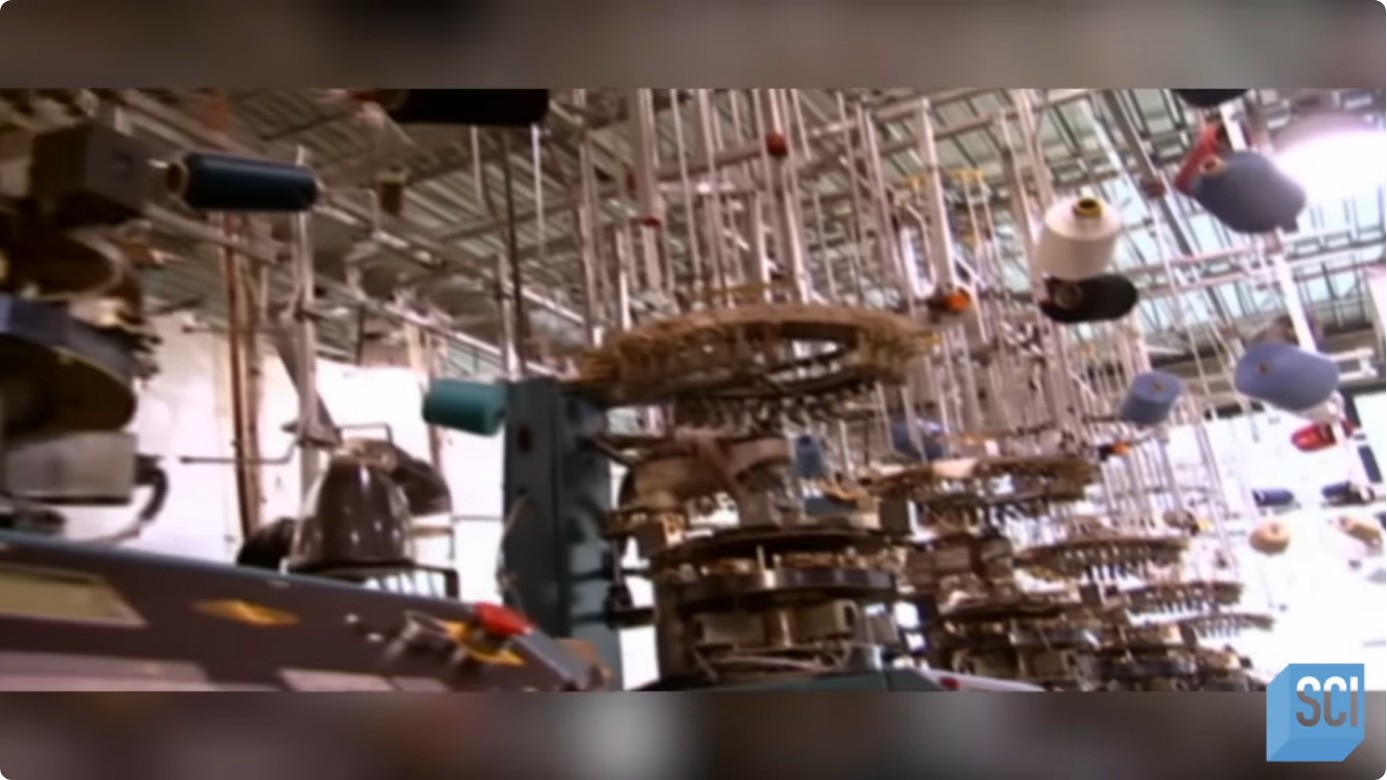
A quick comparison for decision-making:
| Structure | Key Trait | Typical Stretch | Stability | Common Uses |
|---|---|---|---|---|
| Jersey (Single Knit) | Lightweight, curl-prone | Moderate | Low | T-shirts, dresses, linings |
| Interlock (Double Knit) | Reversible, stable | Low-Moderate | High | Baby clothes, polos, structured tops |
| 1×1 Rib | High elasticity | High | Moderate | Cuffs, waistbands, neck trims |
| 2×2 Rib | Denser, more structure | High | Moderate-High | Heavier trims, sweater bodies |
This table simplifies a complex field, but it provides a functional starting point. Always request a fabric swatch to feel these differences firsthand.
Cotton’s natural properties—absorbency, breathability, and comfort against the skin—make it a perennial favorite. However, these same traits come with specific operational and performance tradeoffs that must be managed.
These aren’t flaws; they’re characteristics to be designed around. A beach cover-up embraces cotton’s absorbency. A performance running tee requires a synthetic blend. Matching the fabric’s innate behavior to the use case is the hallmark of good design.
Sourcing cotton knit fabric moves you from a consumer to a professional. The vocabulary shifts from “soft” to “yarn count,” “gsm,” and “construction.”
Key Specifications to Request:
Finding Suppliers: Domestic suppliers offer lower minimums and easier communication, vital for prototyping and small batches. Overseas mills provide significant cost advantages for large volumes but require rigorous quality control. Always order a lab dip (a small, pre-production sample dyed to your color standard) and a bulk sample from the exact production lot before committing. For certifications like Oeko-Tex Standard 100 (harmful substance testing) or organic content claims (GOTS), request valid certificates for the specific fabric.
The Minimum Order Quantity (MOQ) Reality: MOQs for custom-knit cotton can range from 500kg to several tons. If your project is smaller, you are largely confined to stocked fabrics from distributors. This is a primary constraint for independent designers and startups. Building a relationship with a reliable distributor who offers a broad range of stocked cotton knits is often the most practical first step.
Even with the right fabric, improper handling can sabotage your project. Here’s a checklist of frequent mistakes:
Before finalizing a fabric purchase, run through this final audit. Your answers will confirm or challenge your initial selection.
Cotton knit fabric is a foundational material in apparel for good reason. Its success in your project hinges not on finding “the best” cotton knit, but on finding the right one. By understanding the structural nuances, respecting the material’s natural behaviors, and asking the precise questions of your suppliers, you transform a simple fabric swatch into a deliberate, functional component of a well-made product. The difference between a garment that fits beautifully and one that bags out, between a sleeve that rolls and one that stays put, is almost always decided at the fabric selection stage.


