Address
304 North Cardinal
St. Dorchester Center, MA 02124
Work Hours
Monday to Friday: 7AM - 7PM
Weekend: 10AM - 5PM
Address
304 North Cardinal
St. Dorchester Center, MA 02124
Work Hours
Monday to Friday: 7AM - 7PM
Weekend: 10AM - 5PM
The term ‘duck dive clothing’ can be confusing. It’s not a specific style of garment for aquatic activities, nor is it a brand name. Instead, it’s a common descriptor in the textile and workwear industries for apparel made from duck canvas—a heavy-duty, tightly woven cotton fabric known for its exceptional durability. Understanding this material is crucial for anyone sourcing rugged uniforms, workwear, or heavy bags and covers. This guide cuts through the ambiguity, detailing the fabric’s characteristics, its best (and worst) applications, and key considerations for buyers and designers.
At its core, ‘duck’ refers to a plain-woven fabric, historically made from linen but now predominantly cotton or cotton blends. Its defining feature is a tighter weave than standard canvas, making it more resistant to tearing, punctures, and wind. When you see ‘duck dive’ used, it’s essentially marketing shorthand for garments built to withstand harsh, abrasive environments—a metaphorical ‘dive’ into tough conditions.
Duck canvas earns its reputation through a combination of physical attributes. It’s not a soft, next-to-skin fabric; its virtues are in resilience, not comfort. The tight, diagonal weave structure (a variation of a plain weave) creates a dense barrier.
Helpful tip: The Complete Guide to Cotton with Stretch Fabric: Mechanisms, Selection, and Applications
These properties make it a staple for industries from construction and agriculture to marine and public safety. For example, a duck dive jacket is a common issue for utility workers who need a wind-blocking, snag-resistant outer layer that won’t tear on a jobsite.
The terminology can be inconsistent. ‘Canvas’ is often used generically, while ‘duck’ specifies a tighter weave. Here’s a practical comparison to clarify sourcing decisions.
| Fabric Type | Weave & Feel | Primary Strengths | Common Applications |
|---|---|---|---|
| Duck Canvas | Tighter, smoother plain weave. Stiffer initially, softens with wash/wear. | Superior abrasion & tear resistance, wind blocking. | Heavy-duty workwear, uniforms, sail covers, tool bags, aprons. |
| Standard Canvas | Looser, more open plain weave. Rougher hand feel. | Good durability, lower cost, highly absorbent. | Tents, sneakers, art canvases, lighter bags. |
| Waxed Canvas | Duck or canvas treated with paraffin or wax. | Waterproof, windproof, develops a unique patina. | Mackintosh jackets, outdoor bags, heritage workwear. |
| Ripstop Nylon/Polyester | Synthetic weave with reinforced grid threads. | Lightweight, very high tear strength, quick-dry, can be waterproof. | Military gear, backpacks, ultralight tents, athletic shells. |
The key trade-off is weight vs. breathability vs. cost. Duck is heavier and less breathable than synthetics but offers a natural fiber’s feel and often a lower price point for its durability. Ripstop synthetics are lighter and more weather-resistant but can feel less substantial and may melt under high heat.
If you are a business looking to source duck dive workwear, the process involves more than just finding a catalog. The quality spectrum is wide.
Never rely on a vague description like “heavy-duty duck.” You must specify and verify:
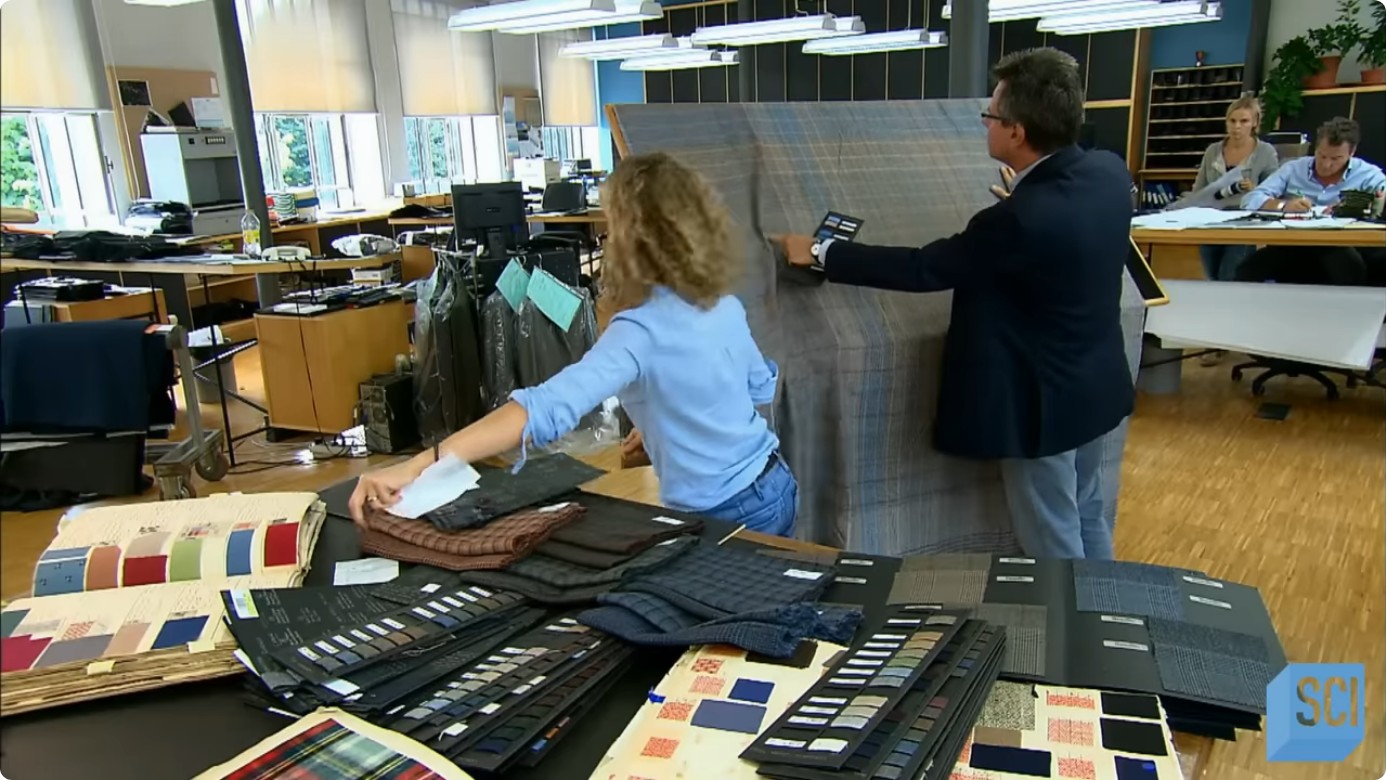
A high-quality duck fabric can be let down by poor construction. When vetting a supplier:

For small businesses or startups, exploring American-made manufacturers or those specializing in small-batch production can be a viable path despite higher per-unit cost, often justifying it with “Made in USA” marketing and superior quality control. Trade shows like the PPAI (Promotional Products Association International) Expo are good venues to connect with established workwear suppliers.
No fabric is perfect for all scenarios. The very qualities that make duck desirable also create its limitations.
More advice: Is Polyurethane Toxic in Clothing? A Practical Guide for Consumers and Buyers
The decision point often comes down to this: Is primary need abrasion and tear resistance in moderate climates? Duck is an excellent, cost-effective choice. Is the need lightweight, quick-drying, or highly breathable protection? You must look to advanced synthetics or technical blends.
To solidify understanding, consider these specific use cases:
From an environmental perspective, 100% cotton duck is biodegradable but has a high water and pesticide footprint unless it’s organic. Blended duck with recycled polyester can improve resource efficiency. The strongest sustainability argument for duck dive clothing is its extreme longevity. A well-made duck garment can last a decade or more, significantly reducing its per-wear environmental impact compared to fast-fashion items that wear out in a season. Its repairability—with simple patches and stitching—is another major advantage.
Is duck dive clothing waterproof?
No. It is water-resistant at best due to its tight weave. For rain, you need a DWR-treated duck or a separate rain shell. Wet duck is also very heavy.
How do I soften new duck clothing?
New duck is stiff. Repeated washing and drying (avoiding high heat) will gradually soften it. Some users soak it in a saltwater solution initially to accelerate the process.
Can I dye duck canvas?
Yes, 100% cotton duck takes dye very well. However, pre-washed or treated duck may not accept dye evenly. Always test a swatch. Polyester-blend duck requires specific dyes for synthetics.
Is it suitable for cold weather?
As a mid-layer, yes—it provides excellent wind blockage. As an outer layer in dry cold, it’s fine. In wet cold, its slow drying time becomes a liability. It lacks inherent insulation, so it must be layered.
What’s the difference between ‘duck’ and ‘canvas’ in a product description?
There is no universal standard. ‘Duck’ should imply a tighter, smoother, stronger weave. When in doubt, ask for the fabric weight and construction details. A 12-oz ‘duck’ is likely more durable than a 10-oz ‘canvas.’
You may also like: French Terry Cloth Fabric: A Practical Guide to Properties, Sourcing, and Uses




