French terry cloth has cemented its place as a cornerstone of modern casual and performance apparel. Its unique balance of comfort, breathability, and structure makes it a favorite for everything from premium hoodies and loungewear to sophisticated travel pieces. Yet, not all “French terry” is created equal. The term covers a wide spectrum of quality, construction, and fiber content, which directly impacts the hand feel, durability, and ultimate application of the finished garment. For designers, brand owners, and even savvy consumers, understanding the nuances of this knit fabric is essential for making informed material choices that align with both product goals and budget.
This guide moves beyond the basic definition to explore the technical construction, key performance traits, and critical sourcing considerations of French terry cloth. We will break down what to look for in a supplier, how fiber blends change the fabric’s behavior, and where French terry truly shines—and where it might not be the best choice. Whether you’re sourcing for a new activewear line or selecting fabric for a small-batch collection, this article provides the actionable details needed to navigate the specifications and avoid common pitfalls.
What Exactly Is French Terry? Clarifying the Construction
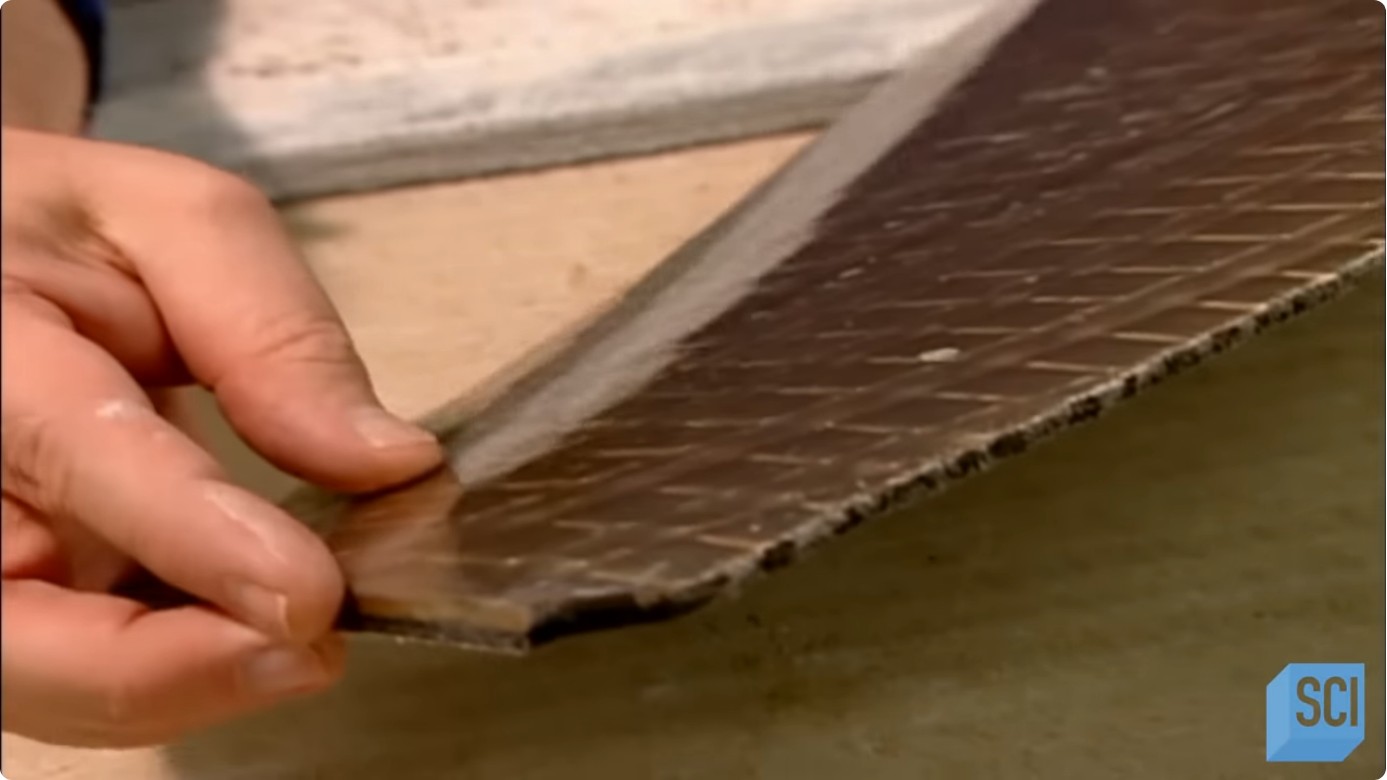
At its core, French terry is a knit fabric, not a woven terry cloth (like a towel). Its signature characteristic is a smooth, flat face (the “right side”) and a side with pronounced, looped yarns (the “wrong side” or “backing”). These loops are created by a special knitting machine that forms the pile on one side during the knitting process itself. This construction is fundamentally different from fleece, which is first knitted and then the loops are cut and brushed to create a napped, fuzzy surface on both sides.
The looped backing is the key to French terry’s performance. It creates tiny air pockets that provide insulation while allowing for excellent airflow and moisture wicking. The smooth outer face offers a clean, sleek appearance that can be readily printed on, dyed, or finished. The term “French” historically implied a finer, more refined loop and a softer hand, though today it’s used broadly. To ensure you’re getting the intended fabric, always request a physical swatch and clarify the loop size and yarn count.
French Terry vs. Other Knits: A Quick Comparison
Understanding how French terry differs from its closest textile cousins helps define its ideal use cases. The following table outlines the primary distinctions in construction and resulting properties.
The looped-back construction gives French terry a distinct set of properties that make it suitable for a surprisingly wide range of applications. However, these properties are highly variable and depend on the specific yarns and knitting technique used.
Moisture Management: The loops on the reverse side act as a capillary system, drawing moisture (sweat) away from the skin and spreading it across a larger surface area for rapid evaporation. This makes it a strong choice for light athletic and athleisure wear where high-intensity sweat is not the primary concern, but comfort during movement is.
Temperature Regulation: It provides a comfortable layer of insulation without the bulk of fleece. The air in the loops offers warmth in cool conditions, while the breathability prevents overheating, making it a true season-spanning fabric.
Drape and Structure: French terry generally has more body and structure than jersey, allowing it to hold the shape of a hoodie or relaxed pant better. However, it lacks the extreme stretch of a rib knit or performance elastane blend unless specifically engineered with spandex or lycra.
Durability: The looped backing is more resistant to snagging and pilling than a brushed fleece surface. The smooth face is also more resistant to abrasion from backpacks or seatbelts. Longevity is heavily influenced by fiber content—cotton-polyester blends will significantly outlast 100% cotton in preventing pilling and maintaining shape.
Sourcing French Terry: What to Ask and What to Verify
Sourcing the right French terry requires moving beyond vague quotes. The specifications you lock down will determine if your garment feels like a premium loungewear piece or a stiff, uncomfortable mock-up.
Critical Specifications to Define
When requesting samples or quotes, always provide or ask for the following:
Fiber Content: This is the single most important factor. Common blends include:
100% Cotton: Soft, natural feel, excellent breathability, but prone to shrinkage and minimal wicking. Best for luxury loungewear where natural feel is paramount.
Cotton/Polyester (e.g., 60/40, 80/20): The industry workhorse. Polyester adds durability, wrinkle resistance, moisture-wicking enhancement, and reduces shrinkage. The higher the polyester content, the more “performance-oriented” the feel.
Recycled Polyester/Cotton Blends: Gaining traction for sustainability. Verify the actual recycled content percentage and the quality of the recycled yarn, as it can affect hand feel and durability. Look for certifications like Textile Exchange standards (e.g., GRS).
Bamboo, Tencel™, or Modal Blends: These add exceptional softness, superior moisture wicking, and a more fluid drape. They are often more expensive but position a product in the premium market.
GSM (Grams per Square Meter): This measures fabric weight. For French terry, common ranges are:
Lightweight: 180-240 GSM – Ideal for summer-weight hoodies, layering pieces, and active tops.
Mid-Weight: 250-320 GSM – The sweet spot for classic hoodies, crewnecks, and joggers. Offers good balance of warmth and breathability.
Heavyweight: 330+ GSM – For cold-weather outerwear or very structured pieces. Less common, can feel stiff.
Loop Size and Yarn Count: Finer loops generally indicate a softer, more refined hand. Ask for a loop height specification (in mm) if possible. A tighter, smaller loop is less prone to snagging.
Finish & Treatment: Is it garment-washed for softness? Does it have a moisture-wicking treatment (like OEKO-TEX® certified finishes)? Is it pre-shrunk? These details dramatically affect the final product.
A Sourcing Checklist: Questions for Your Supplier
Use this list during negotiations and sample approval:
What is the exact fiber composition by weight? Can you provide a burn test certificate or lab report?
What is the fabric’s GSM and the tolerance (e.g., +/- 5%)?
What are the shrinkage rates (both width and length) after a home laundering cycle? (Note: 100% cotton can shrink 5-10% if not pre-shrunk).
Can you provide a ASTM D3776 or similar fabric weight certification?
Is the fabric produced on a circular or flat-bed knitting machine? (Circular knitting typically yields a more stable, tubular fabric with less distortion).
What certifications do you hold? (e.g., OEKO-TEX® Standard 100 for有害物质, GOTS for organic, or Bluesign® for environmental safety).
What is the minimum order quantity (MOQ) and lead time for this specific construction?
Can you provide a fabric sample that has been washed three times to simulate hand and shrinkage?
Common Applications: Where French Terry Excels
French terry’s versatility is its greatest asset. Its applications span from high-end athleisure to everyday basics.
Loungewear & Sleepwear: This is its natural home. The soft face against the skin, breathable loop back, and comfortable drape make it perfect for pajamas, robes, and relaxed separates. Blends with Tencel™ or modal enhance this softness significantly.
Hoodies & Sweatshirts: The structure of mid-weight French terry (280-300 GSM) is ideal for hoodies. It holds the hood shape, provides cozy warmth without excessive weight, and the loop back allows for better air circulation than fleece, reducing that “stuffy” feeling.
Athleisure & Light Activewear: For yoga, walking, or post-workout wear, a performance-blended French terry (e.g., with polyester and a small % of spandex) offers excellent moisture management and a full range of motion. It is less suited for high-sweat cardio due to its knit structure compared to a true technical mesh.
Children’s & Baby Apparel: The softness and breathability are gentle on sensitive skin. Ensure the fiber content and finishes are hypoallergenic and certified for safety (CPSC compliance is critical for children’s products).
Travel & Resort Wear: Its wrinkle-resistance (especially in poly blends) and comfort on long flights make it a smart choice for travel-friendly trousers, pullovers, and wraps.
Care, Limitations, and Decision Trade-offs
No fabric is perfect. Understanding French terry’s limitations is as important as knowing its strengths.
Shrinkage: This is the most common issue. Always pre-wash and pre-cut your fabric if using 100% cotton or a high-cotton blend. Follow the supplier’s care instructions precisely—typically cold water wash, gentle cycle, and tumble dry low or line dry.
Pilling: Short-staple cotton fibers are prone to pilling. To mitigate this, choose longer-staple cotton (like Pima or Supima®), higher polyester content, or a fabric with a smoother, tighter loop structure. Pilling is accelerated by friction and low-quality yarns.
Not Water-Resistant: The looped structure will become saturated in rain. It is not a substitute for a technical shell or waterproof fabric.
Limited Stretch: Unless an elastane (spandex/Lycra®) blend is used (typically 3-5%), French terry has minimal four-way stretch. For garments requiring significant stretch (e.g., fitted yoga leggings), a different knit construction is necessary.
Cost vs. Performance Trade-off: A premium 100% organic cotton French terry with a fine loop will be soft and luxurious but may not wick moisture as well or resist pilling as long as a more technical 50/50 poly-cotton blend. Define the primary garment function first: is comfort the absolute priority, or is durability and shape retention more critical for a high-volume product?
Final Considerations and Next Steps
French terry cloth, in its many forms, is a remarkably functional and comfortable fabric that bridges the gap between everyday basics and performance apparel. The key to successful implementation lies in precise specification. Start with a clear understanding of your garment’s end-use, then methodically define the fiber content, weight, and construction with your supplier. Never skip the physical swatch test—feel the face, examine the loop back, and, most importantly, wash it yourself to assess shrinkage and hand post-laundering.
When sourced correctly, French terry delivers on its promise of versatile, comfortable, and durable wear. It remains a fabric that feels both timeless and perfectly suited to contemporary wardrobes.
Is French Terry Right for Your Project? Ask Yourself:
Is the garment intended for warmth with breathability rather than heavy insulation?
Is a smooth outer face for printing or a clean aesthetic a requirement?
Can the end-user tolerate some potential shrinkage (or will you build it into the pattern)?
Is the moisture-wicking demand moderate (e.g., for casual wear or light activity) rather than for high-intensity sweating?
Does your budget align with the fiber blend quality needed to meet your durability and hand-feel goals?
If you answered “yes” to most of these, French terry is likely an excellent candidate. Your next step is to engage with reputable textile suppliers or converters, armed with the specifications outlined above, and begin the critical process of sampling and testing.