Address
304 North Cardinal
St. Dorchester Center, MA 02124
Work Hours
Monday to Friday: 7AM - 7PM
Weekend: 10AM - 5PM
Address
304 North Cardinal
St. Dorchester Center, MA 02124
Work Hours
Monday to Friday: 7AM - 7PM
Weekend: 10AM - 5PM
Choosing a swimsuit often comes down to style and fit, but the fabric is what determines whether it becomes a cherished, long-lasting piece or something that fades, stretches out, or feels uncomfortable after just a few wears. Swimwear fabric is a specialized category of technical textile engineered to withstand harsh conditions: prolonged exposure to chlorine, saltwater, sunscreen, body oils, and the mechanical stress of movement and drying. Understanding the composition, construction, and care requirements of these fabrics is the single most important step in making a smart purchase, whether you’re a competitive athlete, a casual vacationer, or a brand sourcing materials.
This guide cuts through the marketing jargon to explain what makes swimwear fabric perform—or fail. We’ll break down the fiber science, decode common labels, compare the real-world trade-offs, and provide actionable advice for selecting and caring for your swimwear based on your specific needs.
Before diving into specific fabrics, identify your priority. For competitive swimmers, minimal drag and maximum muscle compression are critical. For vacationers, quick-drying comfort and vibrant color retention matter most. For everyday pool or beachgoers, durability against chlorine and a flattering, secure fit are key. The best fabric for you is the one that optimizes the properties you’ll actually use. The core properties to evaluate are:
Helpful tip: The Complete Guide to Black Spandex Cloth: Properties, Blends, and Sourcing
Swimsuit fabric is almost always a synthetic blend. Natural fibers like cotton absorb water, become heavy, and lose shape, making them unsuitable for swimwear. The performance comes from engineered synthetics. Here’s a detailed look at the most common components.
Spandex, often branded as Lycra® or Elastane, is the workhorse that provides essential stretch and compression. It typically makes up 10-30% of a swimsuit’s fabric blend.
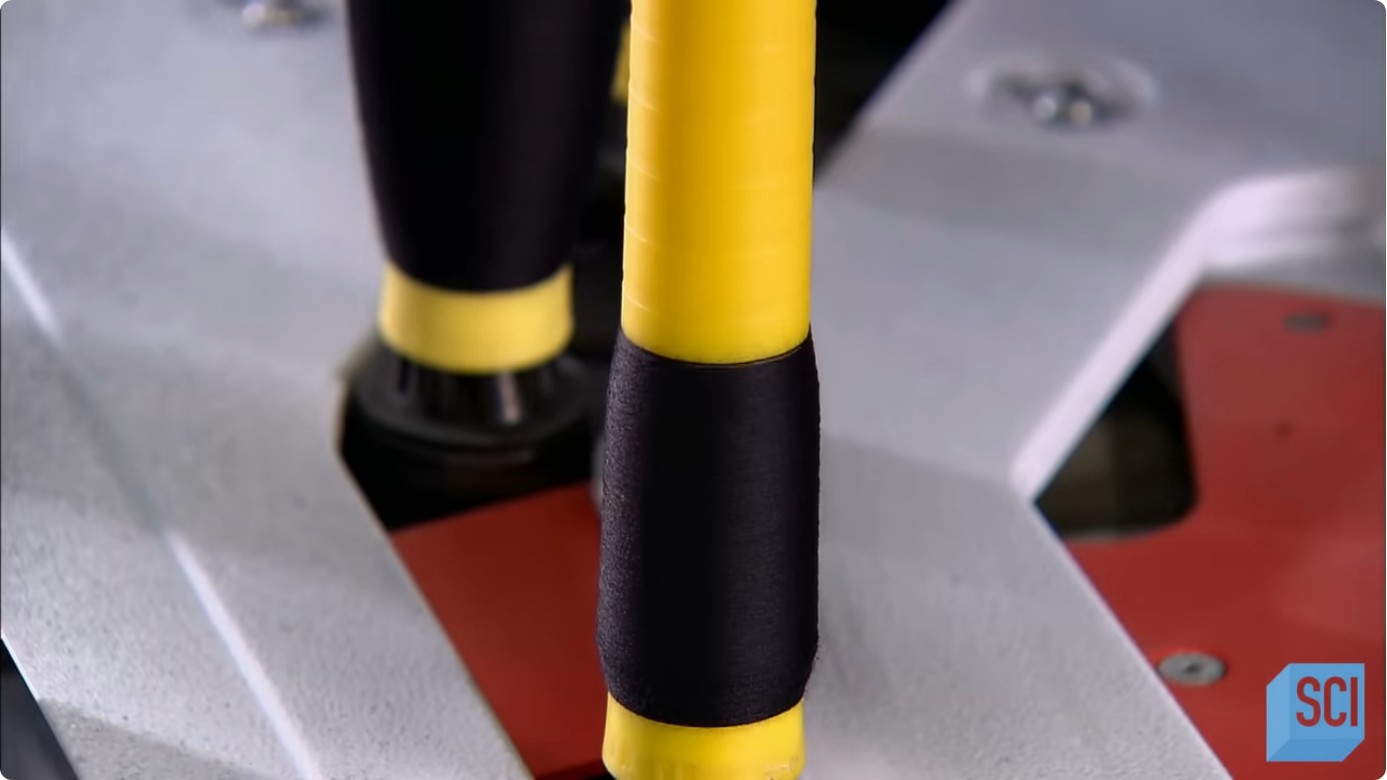
Critical Caveat: Not all spandex is created equal. Xtra Life Lycra® is a specific, more durable variant of spandex designed to resist degradation from chlorine, salt, and sunscreen up to 5-10 times longer than standard spandex. Look for this branding if longevity in chlorinated water is a priority. The Lycra Company provides technical details on their fiber variants.
These fibers form the base of the fabric, providing structure, opacity, and abrasion resistance. The choice between them is a fundamental decision.
| Property | Nylon (often branded as Tactel®) | Polyester (often branded as TruNylon®) |
|---|---|---|
| Feel & Hand | Softer, silkier, more luxurious against the skin. | Slightly crisper, more substantial feel. Can feel less “luxurious” but very durable. |
| Chlorine Resistance | Poor to moderate. Degrades faster in chlorinated pools, losing elasticity and becoming thin. | Excellent. The champion for chlorinated water. Polyester fibers are inherently more resistant to chemical breakdown. |
| Color Retention | Good, but can fade over time with chlorine exposure. | Excellent. Holds dye exceptionally well, maintaining vibrancy longer. |
| UV Resistance | Poor to fair. Nylon weakens significantly under UV exposure. | Excellent. Polyester has one of the best inherent UV resistance profiles among synthetics. |
| Typical Use Case | High-fashion, resort, and ocean-swim wear where soft feel is prized over extreme pool durability. | Daily lap swimmers, water park enthusiasts, kids’ swimwear, and any garment expected to see heavy chlorinated pool use. |
Made from post-consumer plastic bottles, recycled polyester has identical performance characteristics to virgin polyester—excellent chlorine and UV resistance—with a lower environmental footprint. It’s a fantastic choice for the eco-conscious swimmer. Limitation: It can still shed microplastics during washing. Using a Guppybag or similar microfiber-catching laundry bag is highly recommended.
Fabric is only part of the equation. How it’s assembled drastically affects fit and longevity, especially in water.
More advice: French Terry Cotton: The Fabric Guide You Didn’t Know You Needed
Even the toughest swimwear will fail prematurely if mistreated. The following routine is a direct investment in the lifespan of your suit.
Skipping these steps is the primary reason suits lose their shape, elasticity, and color. A suit you buy for $80 that you care for properly can last 2-3 seasons; one you neglect may be stretched out in months.
Understanding fabric sourcing helps contextualize price and availability.
You’ll see terms like “Chlorine Resistant,” “PBT,” and “Eco-Friendly.” Here’s what they often mean in practice:
Beyond fiber content, swimmers often miss these nuances:
The “best” swimsuit fabric doesn’t exist in a vacuum. It exists at the intersection of your activity, your care habits, and your budget. Ask yourself: Will this see daily use in a chlorinated pool? Prioritize high polyester content and Xtra Life Lycra®. Is this for tropical vacation photos and ocean swimming? A nylon-spandex Tactel® blend will offer a softer hand and beautiful drape. Are you a parent buying for a child who lives at the water park? Go for the most durable, opaque, poly-based fabric you can find, and accept that it will be replaced more frequently.
The most sustainable swimwear you can own is the one you love enough to care for properly. By understanding the materials and construction, you move from being a passive consumer to an informed selector, ensuring your next swimsuit is a reliable companion for all your aquatic adventures, not a single-season disappointment.
Related guide: Organic Cotton Sherpa Fabric: A Comprehensive Guide


